🚨 Viral Claims Shake Social Media: Rumors Link Jay-Z, Epstein Files, and NFL Ties
A wave of viral headlines is sweeping across social media, claiming that newly leaked Epstein-related files have linked Jay-Z to the scandal, triggered a split with the NFL, and even caused Beyoncé to lose millions of fans overnight.

The dramatic claims, packaged in bold captions and eye-catching thumbnails, have spread rapidly online.
But as the story circulates, a closer look reveals a very different reality—one shaped more by speculation than confirmed facts.
The rumors appear to have originated from a series of viral posts and videos referencing recently released Epstein-related documents.
These materials, which have been discussed widely in recent weeks, include large collections of unfiltered tips, emails, and third-party submissions.
Officials have repeatedly warned that the documents contain unverified claims and speculative content.
Despite those warnings, some online accounts have begun linking high-profile celebrities to the files, often without context or confirmation.
Jay-Z, one of the most recognizable figures in music and business, quickly became one of the names circulating in these posts.
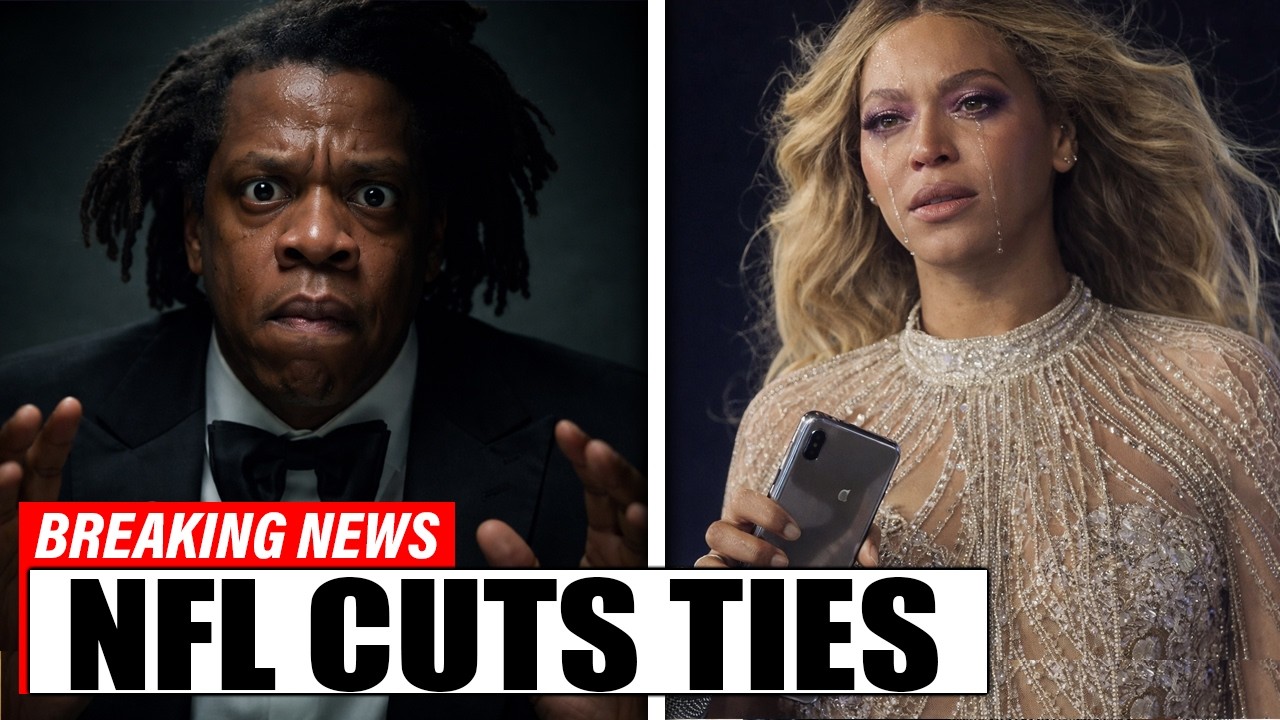
Many of the viral claims suggest that his alleged appearance in the files led to immediate consequences, including the NFL cutting ties with him and Beyoncé losing millions of followers.
However, there is no confirmed evidence supporting these ᴀssertions.
In reality, no official statement from the NFL indicates any termination of its relationship with Jay-Z.
The partnership between the league and his entertainment company, Roc Nation, has been a major initiative focused on music programming and social justice efforts.
As of now, there have been no verified reports of the partnership ending.
Similarly, claims that Beyoncé has lost 13 million fans appear to be based on misinterpreted or fabricated social media statistics.
Analysts say follower counts can fluctuate for many reasons, including bot purges, platform updates, or temporary account changes.
Without verified data, such dramatic claims should be treated with caution.
Experts say the situation illustrates a familiar pattern.
When large document releases tied to controversial figures like Jeffrey Epstein become public, speculation often follows.
The presence of a name in unverified material can quickly be transformed into a viral headline, even when there is no evidence of wrongdoing.
The Department of Justice and other officials have emphasized that the recent releases include raw records that have not been fully investigated or validated.
In other words, the presence of a claim in those files does not confirm its accuracy.
But on social media, nuance often disappears.
Viral posts tend to focus on the most sensational aspects of a story, ignoring disclaimers and context.
As a result, unverified claims can spread rapidly, especially when they involve well-known celebrities.
Jay-Z, whose real name is Shawn Carter, has built one of the most successful careers in modern entertainment.
From his early days as a rapper to his current status as a business mogul, he has become a symbol of entrepreneurial success.
Over the years, he has expanded his influence beyond music, investing in fashion, sports, technology, and entertainment ventures.
His partnership with the NFL, announced in 2019, was part of that broader business strategy.
The deal was initially controversial, with some critics questioning the league’s motives and others debating the role of artists in corporate partnerships.
But the collaboration has continued, producing halftime shows and other initiatives.
Beyoncé, meanwhile, remains one of the most influential performers in the world.
Her tours, albums, and cultural impact have consistently broken records and shaped the direction of modern pop music.
Any claim involving her fan base naturally draws intense attention.
That attention is part of what fuels the spread of viral rumors.
When stories involve figures as prominent as Jay-Z and Beyoncé, they tend to travel faster and reach wider audiences.
Media analysts say the current situation highlights the importance of verifying information before sharing it.
In the digital age, dramatic headlines can spread globally within minutes, even when they are based on incomplete or inaccurate information.
Fact-checking organizations have already begun addressing some of the claims.
Early reviews suggest that many of the viral posts rely on speculation rather than confirmed developments.
In some cases, older rumors appear to have been repackaged with new headlines to create the appearance of breaking news.
The reaction from fans has been mixed.
Some social media users have expressed concern, while others have dismissed the claims as exaggerated or false.
Many supporters of the couple have urged others to wait for verified information before drawing conclusions.
Industry observers say the episode reflects a broader shift in how information spreads.
In previous decades, major stories about celebrities typically emerged through established news outlets.
Today, however, social media can create viral narratives long before traditional journalism has a chance to investigate.
This dynamic can be especially powerful when it intersects with controversial topics like the Epstein case.
The scandal has long been ᴀssociated with secrecy, powerful figures, and unanswered questions, making it a magnet for speculation.
Each new document release tends to trigger a wave of sensational headlines, many of which later prove to be exaggerated or misleading.
The latest rumors involving Jay-Z and Beyoncé appear to follow that same pattern.
For now, there is no confirmed evidence that the NFL has cut ties with Jay-Z, nor is there verified data showing a mᴀssive loss of followers for Beyoncé.
The claims circulating online remain unconfirmed and should be treated with caution.
As the story continues to evolve, experts urge readers to rely on credible sources and verified reporting.
In an era of viral rumors and sensational headlines, the difference between speculation and fact has never been more important.
What began as a set of unverified claims in raw documents has now turned into a global online narrative.
But until official statements or credible reports confirm the details, the dramatic headlines remain just that—headlines.


