The question hangs in the air, heavy and divisive: “Do you think the WWE is justified in what they did to his legacy by blackballing him and erasing him from all their lineage?”
The answer, from those who knew him, is often a painful contradiction. “Personally, no. But business-wise, I understand why they did it.”
Chris Benoit was once the embodiment of wrestling excellence—the “Rabid Wolverine” whose technical mastery and fierce intensity made him one of WWE’s most respected World Champions. Then, over three days in June 2007, everything collapsed in the most horrific way imaginable. The tragedy was so profound that it forced an entire industry to stare into an abyss of its own making. Years later, legends and insiders hint at something far more unsettling than a single man’s breakdown: quiet decisions, unspoken pressures, and a system they believe may have helped push him over the edge.
Let’s break it down: the tragedy, the theories, and the irreversible impact.
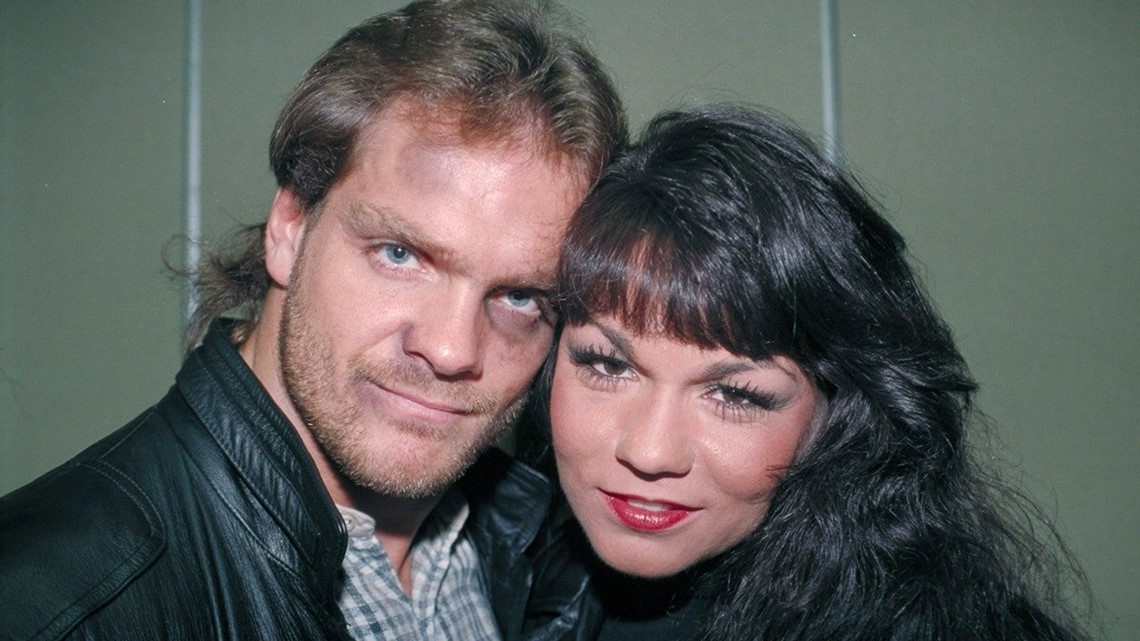
The Horrific Facts: A Timeline of Tragedy
On June 22, 2007, Chris Benoit murdered his wife, Nancy, in their Fayetteville, Georgia home. The next day, he killed his 7-year-old son, Daniel. On June 24, Benoit hanged himself in his basement gym.
The Fayette County Sheriff’s Office ruled it a double murder-suicide. Nancy was found bound and strangled; a Bible was placed near her body. Daniel was sedated with Xanax before being smothered, another Bible beside him. Benoit used a cable from a weight machine to hang himself.
In the hours before the bodies were discovered, Benoit sent strange, instructional text messages to colleagues like Chavo Guerrero, stating his address and that doors were open. “I think he was texting me right before he… committed suicide,” Guerrero later reflected. Cell records confirmed the texts came from inside the home.
The Conspiracy Theories and Their Unraveling
The shock of the crime birthed rampant speculation, fueled by eerie details.
1. The Wikipedia Edit: At 12:01 a.m. on June 25—14 hours before police discovered the bodies—an anonymous user edited Benoit’s Wikipedia page to say he missed a pay-per-view due to “the death of his wife.” The IP address traced to Stamford, Connecticut, WWE’s headquarters. The implication was explosive: Did WWE know first?
The truth was more mundane. The editor was Matthew Greenberg, a 19-year-old college student with no WWE ties, who acted on wrestling forum rumors. Police verified his alibi. The edit was a macabre coincidence that, as Investigator Tommy Pope said, became an “unbelievable hindrance” to the investigation.
2. The Kevin Sullivan Theory: Sullivan was Nancy’s ex-husband. Their on-screen WCW angle with Benoit had bled into real life, with Nancy leaving Sullivan for Benoit. Online theorists claimed Sullivan orchestrated revenge.
Sullivan addressed it bluntly: “Because he was such a fabulous wrestler, you don’t want to believe it… Maybe they don’t want to see their hero for what happened.” He had a rock-solid alibi 600 miles away. Forensic evidence showed no signs of an intruder.
3. The Demonic & The Doubtful: Friends like Chris Jericho have heard every theory, “even demonic possession.” The pervasive search for an external culprit reflected a desperate need to reconcile the monster with the man they loved.
WWE’s Catastrophic Tribute and The Erasure
On June 25, with initial reports vague and the murder-suicide not yet public, WWE made a fateful decision. Vince McMahon transformed Monday Night Raw into a three-hour tribute to Benoit’s career. In an empty arena, he broke character. Superstars like John Cena and Edge gave emotional testimonials. Matches were aired. The show painted a portrait of a fallen hero.
Mid-broadcast, the true horror emerged. WWE had effectively memorialized a family annihilator. The backlash was immediate and severe: advertiser boycotts, plummeting stock, public outrage.
The next night, McMahon reversed course: “There will be no mention of Mr. Benoit’s name tonight.” Thus began “The Erasure.” Benoit was expunged: his matches edited out of history (even his WrestleMania XX main event victory was reframed around Eddie Guerrero), his profile scrubbed from WWE.com, his legacy verboten.
For many, like Chavo Guerrero, the purge felt unjust to Benoit’s surviving family and career. Kevin Sullivan summarized the tension: “Personally, no [it’s not justified]. But business-wise, I understand… They have people that buy stock… How do you not show Chris Benoit? I don’t think you can rewrite history.”
The Turning Point: The Brain Damage Discovery
On September 5, 2007, the narrative shifted fundamentally. The Sports Legacy Insтιтute revealed that Benoit’s brain showed severe Chronic Traumatic Encephalopathy (CTE). Dr. Bennet Omalu found tau protein tangles and neuron loss comparable to an 85-year-old Alzheimer’s patient. Benoit was 40.
CTE, caused by repeated head trauma, leads to dementia, memory loss, paranoia, aggression, and impulsivity. Benoit’s career—thousands of concussions from diving headʙuттs, chair sH๏τs, and brutal bumps—had destroyed his brain. Chris Nowinski revealed Benoit had called him shortly before the tragedy, agitated and seeking help for concussion symptoms, but never got proper treatment.
Colleagues had noticed the change. Jericho described a man becoming “stranger and stranger,” paranoid about kidnappings, punishing himself with 500 squats after a minor in-ring mistake. This was not the Benoit they knew. The “roid rage” theory faded (toxicology showed prescribed testosterone, but no anabolic steroids at death); the brain damage theory took root.
The Perfect Storm: Grief, Strain, and a Broken System
CTE was not a sole cause, but a critical factor in a perfect storm.
-
The Loss of Eddie Guerrero: Benoit’s closest friend, Eddie Guerrero, died suddenly in 2005. Benoit, Chavo recalled, “never really recovered.” He wrote grieving, paranoid letters to Eddie in a journal Nancy gave him. His primary emotional anchor was gone.
-
A Strained Marriage: Nancy had filed for divorce in 2003, citing “cruel treatment.” Though they reconciled, tensions persisted over Benoit’s health and rumors of affairs. The stress was acute.
-
The Industry’s Culture: Wrestling pre-2007 romanticized suffering. The schedule was relentless (200+ dates a year), the code was silence, and pain was medicated away. WWE’s Wellness Policy, insтιтuted in 2006, focused on drug testing but lacked concussion protocols or mental health support.
The intersection of a deteriorating brain, profound grief, marital strife, and a culture that ignored vulnerability created a ticking time bomb.
The Reckoning: How Wrestling Changed
The Benoit tragedy forced a painful reckoning.
-
Health & Safety Reforms: WWE banned unprotected chair sH๏τs to the head, phased out “blading,” and implemented ImPACT concussion testing. The Performance Center began emphasizing safer techniques.
-
Wellness Policy Evolution: Mental health resources, confidential counseling, and addiction treatment support were added. Other promotions like AEW adopted similar policies.
-
Cultural Shift: The “tough it out” ethos began to erode. Discussions about performer welfare, unionization, and long-term care entered the mainstream. A 2014 lawsuit by former wrestlers, though dismissed, highlighted the ongoing fight for accountability.
Vince McMahon publicly resisted the CTE link, arguing a man with such brain damage couldn’t function as a top athlete. But the changes spoke louder. The industry that created spectacle from sacrifice began, haltingly, to prioritize sustainability.
The Hole in History and The Unanswered Question
WWE’s erasure created a “Benoit-shaped hole” in wrestling history. His legendary matches exist in a gray zone—celebrated by peers, avoided by the company. The conspiracy theories have been debunked. The systemic failures, however, were tragically real.
WWE did not pull a trigger. But the industry’s grueling physical toll, its historic disregard for head trauma, and its culture of silence contributed to the conditions that allowed Chris Benoit’s decline to go unchecked until it was too late.
As Chris Jericho ultimately reflects, we are left with an impossible duality: “We just have to move forward maybe thinking of the good part of his life, which was everything up until that last weekend… There some of my greatest matches involved him. So, I have to continue to think about him in that respect. But still very angry and never will understand what happened.”
The legacy of Chris Benoit is now two inextricable truths: he was one of the greatest in-ring performers of all time, and he committed an unforgivable act. Wrestling can never truly erase one without dishonoring the memories of Nancy and Daniel Benoit. In that tension lies the industry’s permanent scar and its most hard-learned lesson.


