⚠️ Behind the Roar of the Engines: Where the American Chopper Stars Are Now
When American Chopper first roared onto television screens in the early 2000s, it quickly became one of the most iconic reality shows of its time.
The series followed the operations of Orange County Choppers, a custom motorcycle shop run by Paul Teutul Sr.and his son, Paul Teutul Jr.
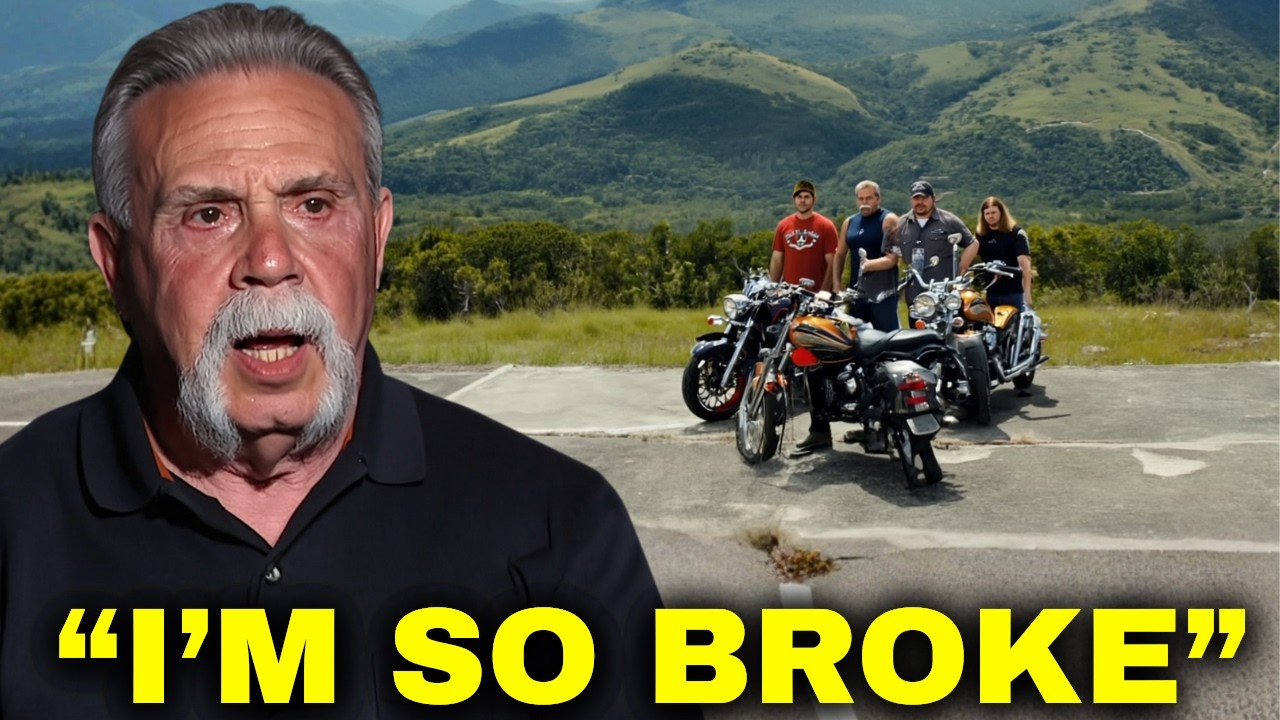
The show wasn’t just about chrome, engines, and custom builds—it was about family, ambition, and explosive personalities.
At its peak, the series drew millions of viewers who tuned in not only to see stunning motorcycles take shape, but also to witness the intense father-son clashes that became the show’s signature drama.
The arguments were loud, emotional, and often shocking, turning the Teutul family into household names.
But behind the roar of the engines and the excitement of television fame, the cast members of American Chopper faced personal struggles, business challenges, and dramatic life changes.
Years after the show’s original run, the lives of its stars have taken very different paths—some triumphant, others marked by hardship.
Paul Teutul Sr., the patriarch of the Teutul family, was the larger-than-life figure at the center of the series.
With his imposing presence, booming voice, and relentless work ethic, he embodied the tough, no-nonsense image of a custom bike builder.
On screen, he demanded perfection from his team and clashed frequently with his son.
Those clashes eventually reached a breaking point.
In one of the show’s most famous moments, a heated argument between Sr.
and Jr.ended with the younger Teutul storming out of the shop.
The confrontation wasn’t just television drama—it marked the beginning of a real-life split that would reshape both their careers.
After leaving Orange County Choppers, Paul Jr.started his own company, Paul Jr.Designs.
Determined to prove himself outside his father’s shadow, he began building custom bikes under his own brand.

The move sparked a fierce rivalry between father and son, one that played out both in the media and in the courtroom.
The legal battles that followed were complicated and emotionally charged.
Disputes over ownership stakes, trademarks, and business control strained the family relationship even further.
For fans who had once watched them work side by side, the separation felt like the end of an era.
Over time, however, the story took a more hopeful turn.
Paul Jr.
found success with his own company, landing major projects and high-profile clients.
His designs gained recognition for their creativity and craftsmanship, proving that he could thrive independently.
Meanwhile, Paul Sr.
faced his own challenges.
After years of success, Orange County Choppers encountered financial difficulties.
Reports surfaced about debt issues and declining business, and in 2018, Sr.
filed for bankruptcy protection.
The news shocked fans who had once seen the shop as a symbol of booming success.
The financial struggles were only part of the story.
Sr.also faced health issues, including battles with addiction and physical ailments.
He later spoke publicly about his journey to sobriety, describing it as one of the most difficult and important challenges of his life.
Despite the hardships, he remained active in the motorcycle world, continuing to appear at events and work on custom builds.
For many fans, his resilience became a defining part of his legacy.
Other members of the American Chopper cast also experienced dramatic changes after the cameras stopped rolling.
Michael Teutul, Paul Sr.
’s younger son, was known on the show for his easygoing personality and comedic presence.
Often caught in the middle of family conflicts, he provided moments of levity during tense episodes.
After leaving the show, Michael stepped away from the motorcycle business and pursued a quieter life.
He explored creative projects, art, and personal development, largely staying out of the spotlight.
His departure from the high-pressure environment of the show marked a major shift in his life.
Vincent “Vinnie” DiMartino, one of the show’s most popular builders, also took a different path.
Known for his mechanical skills and calm demeanor, Vinnie became a fan favorite.
After leaving Orange County Choppers, he started his own company and later transitioned into the automotive repair industry.
For many viewers, his journey represented the reality faced by skilled craftsmen after the cameras leave.
Without the spotlight of television, they must rebuild their careers in a more traditional environment.
Rick Petko, another beloved member of the crew, remained in the custom motorcycle world.
Known for his attention to detail and quiet professionalism, he continued building bikes and working on creative projects.
Fans who followed his career saw him as a symbol of stability amid the chaos that often surrounded the show.
But perhaps the most lasting impact of American Chopper was the way it changed the lives of its stars.
Reality television brought fame, financial opportunities, and new experiences—but it also magnified personal conflicts and exposed private struggles to a global audience.
The intense father-son relationship at the heart of the show became both its greatest strength and its greatest tragedy.
The arguments that drew viewers in also contributed to real emotional wounds, some of which took years to heal.
In later years, there were signs of reconciliation.
Paul Sr.and Paul Jr.appeared together at events and even worked on projects side by side again.
For longtime fans, those moments felt like a long-awaited resolution to one of reality television’s most famous family feuds.
The show itself went through multiple revivals, bringing the cast back together for new seasons.
While the dynamic had changed, the core appeal remained the same: the combination of skilled craftsmanship and larger-than-life personalities.
Today, the legacy of American Chopper is still felt across the reality TV landscape.
It helped define an era when shows about skilled trades and family businesses dominated cable television.
Its influence can be seen in countless programs that followed.
For the cast members, however, the journey has been deeply personal.
Fame brought opportunities, but it also brought pressure, conflict, and challenges that extended far beyond the television screen.
Years after the show’s debut, fans continue to wonder where the stars ended up.
Some found success and stability.
Others faced financial or personal struggles.
But each story reflects the complex reality behind the polished image of reality television.
In the end, American Chopper was never just about motorcycles.
It was about family, ambition, pride, and the difficult path of working side by side with those closest to you.
The tragedies, triumphs, and transformations of its cast are a reminder that behind every reality show is a real story—one that continues long after the cameras stop rolling.


