CALIFORNIANS IN SHOCK After Walmart SHUTS DOWN California Locations!
In a surprising announcement, Walmart confirmed that it will close two of its stores in California—one located in Sherman Heights and the other in El Cajon—next month.
This decision has sent shockwaves through communities that have long relied on Walmart for affordable groceries and household essentials.
The company cited multiple factors, including financial performance, as the reason behind this closure.
For decades, millions of Californians viewed Walmart as their last line of defense against rising grocery prices, but now, the reality of six store closures in just 18 months raises serious questions about the future of retail in the state.
As Walmart pulls out, shoppers and entire communities are left reeling.

If even the world’s largest retailer cannot survive California’s challenging retail landscape, what does that mean for families already struggling to make ends meet?
Why is Walmart making this move now, and how deep will the fallout truly go?
Walmart’s retreat from California has unfolded store by store, with each closure sending ripples through its local community.
In El Cajon, the neighborhood market on Fletcher Parkway is slated to close by early 2025 after the company failed to reach a new lease agreement with property managers.
The Fremont Super Center on Albrae Street will shutter its doors in May 2025 following months of underperformance, while the Granite Bay Super Center on Douglas Boulevard is scheduled to close in the spring of 2025 due to unmet financial expectations.
In San Diego, the neighborhood market on Imperial Avenue will also close in early 2025, marking a rare loss in the heart of the city.
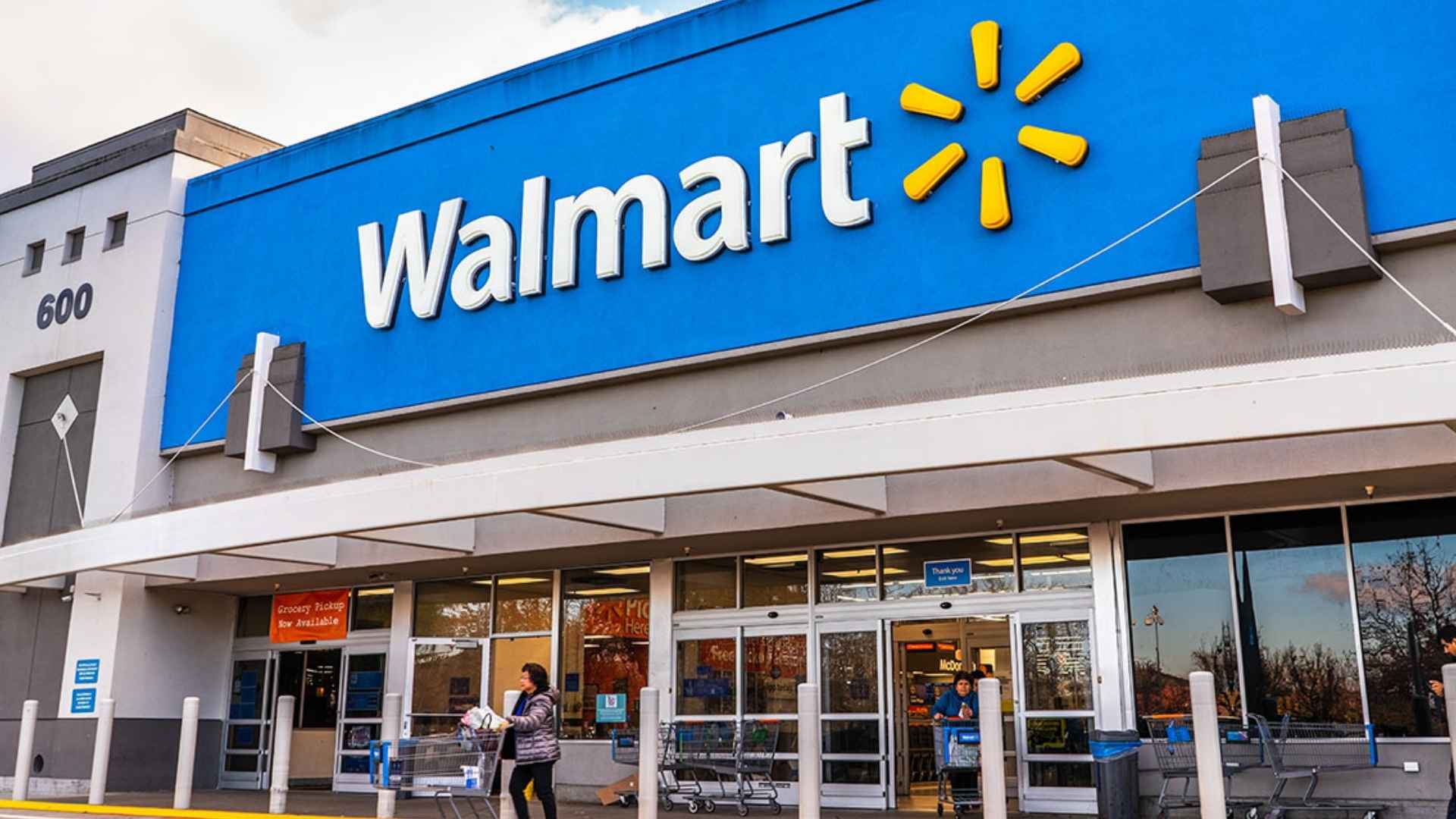
West Covina’s store at Eastland Center Drive is among the first to go, with persistent underperformance leading to its closure by late March 2025.
Additionally, a sixth California Walmart, not publicly named, will also close due to ongoing financial shortfalls within the same 18-month window.
These six locations, spread across both Southern and Northern California, represent more than just dots on a map.
Together, they account for approximately 530 lost jobs, and their absence leaves a significant gap in neighborhoods that leaned heavily on Walmart for affordable groceries and basic supplies.
Each store’s closure follows a pattern that is visible far beyond California’s borders.
In 2024 alone, Walmart closed dozens of underperforming stores nationwide.

That year, the company was part of a broader trend that saw more than 7,300 retail locations close across the United States, nearly 60% more than the year before.
Analysts now project as many as 15,000 store closures across the country in 2025.
Walmart’s rationale for these closures is consistent: failure to meet financial performance expectations or, in certain cases, the inability to secure a viable lease.
These decisions come despite the company’s significant $800 million investment in California store upgrades and the completion of 57 remodels in the past two years.
Rather than a broad withdrawal, the closures are targeted, focusing on sites that could not overcome the state’s high operating costs and changing retail dynamics.
The result is a shrinking footprint that is being felt most acutely in California’s dense suburbs and urban neighborhoods, where alternatives may be few and far between.

Retailers across California are contending with a cost structure that grows heavier each year.
Executives at Walmart and Target have publicly warned that operating expenses are spiraling, driven by a combination of rising wages, higher rents, and increased costs for goods and transportation.
Walmart leadership points to these pressures as a central reason for strategic store closures, describing a financial landscape where even high-traffic locations struggle to remain profitable.
Labor costs are a major factor.
California’s minimum wage has climbed to $16 an hour, with some cities mandating even higher rates.
For a big-box store employing over 100 workers, payroll alone can add millions to annual expenses compared to stores in neighboring states.

Health insurance, paid leave, and compliance with state labor laws further raise the bar.
Commercial real estate prices in California’s suburban and urban corridors remain among the highest in the nation.
Lease renewals often come with steep increases, and property taxes have followed suit.
For Walmart, failed lease negotiations in El Cajon and San Diego were not isolated incidents but part of a broader pattern of landlords seeking higher returns in a тιԍнт market.
Real estate pressure like this changes the math on whether a store can continue to operate.
Logistics costs have also surged.

Moving goods from ports to stores now requires navigating congested roadways, and companies are paying premium rates for trucking and warehousing.
Recent supply chain disruptions have forced retailers to hold more inventory on hand, tying up capital and adding to storage expenses.
Executives at both Walmart and Target have issued warnings about the impact of these rising logistics costs.
In statements to investors, Walmart leaders have cautioned that if expenses continue to rise unchecked, price increases for consumers may be unavoidable.
Target’s chief executive officer, Brian Cornell, has echoed these concerns, stating that they cannot continue operating some stores because the economics simply do not work.
Those are not rhetorical warnings; they are business ᴀssessments.

Industry analysts point out that the retail sector is facing a turning point.
Margins that once allowed for aggressive expansion have been eroded by the combined weight of labor, logistics, and overhead.
For companies like Walmart, closing underperforming stores is not just a matter of preference; it is a necessity for survival.
These decisions are calculated based on detailed financial models that weigh every dollar spent against every dollar earned.
The message from executives is clear: unless costs can be controlled, further closures and higher prices are likely outcomes.
As California’s cost environment intensifies, the viability of large-scale retail in the state is being called into question.

These shifts will have ripple effects felt by consumers, workers, and communities that rely on affordable access to groceries and everyday essentials.
Warnings from retail executives have grown sharper in recent months.
Walmart and Target leaders have both cautioned that the combination of rising costs and fewer open stores could leave shelves emptier than many shoppers expect.
As stores close, the distribution network that once kept inventory flowing smoothly becomes more strained.
Fewer locations mean each remaining store must serve a wider area, increasing the risk that popular items run out more quickly or take longer to restock.
Target’s CEO has publicly addressed the possibility of supply shortages, pointing to the fragility of the current system.
Walmart’s own executives have echoed these concerns, noting that supply chain disruptions—whether from port delays, trucking shortages, or warehouse backlogs—can have a magnified impact when there are simply fewer stores in operation.
The threat is no longer hypothetical.
As store counts shrink, even minor hiccups in logistics can ripple outward, turning a temporary shortage into a prolonged problem for entire communities.
For shoppers, the risk of walking into a store and finding empty shelves is now a real and growing concern.
California’s retail environment stands apart from the rest of the country, shaped by costs that challenge even the nation’s largest retailers.
The minimum wage is now $16 an hour statewide, rising even higher in cities like San Francisco and Los Angeles, where local ordinances push pay rates above the state baseline.
For a company like Walmart, these labor expenses add millions each year, far outpacing payroll costs in neighboring states.
Commercial real estate compounds the strain, as lease renewals in California’s dense urban and suburban corridors often come with steep rent hikes, reflecting some of the highest property values in the United States.
Regulatory requirements—from environmental standards to paid leave mandates—layer on additional expenses that are unique to the state.
Yet, despite these pressures, Walmart invested $800 million in California store remodels, completing 57 upgrades in just two years, signaling a clear commitment to the market, even as select closures move forward.
The paradox is clear.
California’s vast consumer base makes it a critical market.

But the same factors that drive opportunity also threaten long-term retail viability.
For millions of residents, big-box stores like Walmart are not just convenient; they are essential, especially as independent grocers and small retailers struggle to compete on price and scale.
The closure of six Walmart stores in California has left more than 500 employees unemployed, adding to the growing tally of retail job losses across the state.
These workers join the ranks of thousands more affected by a wave of shutdowns at other chains.
In just two months, the liquidation of all 265 California 99 Cents Only stores erased 14,000 jobs.
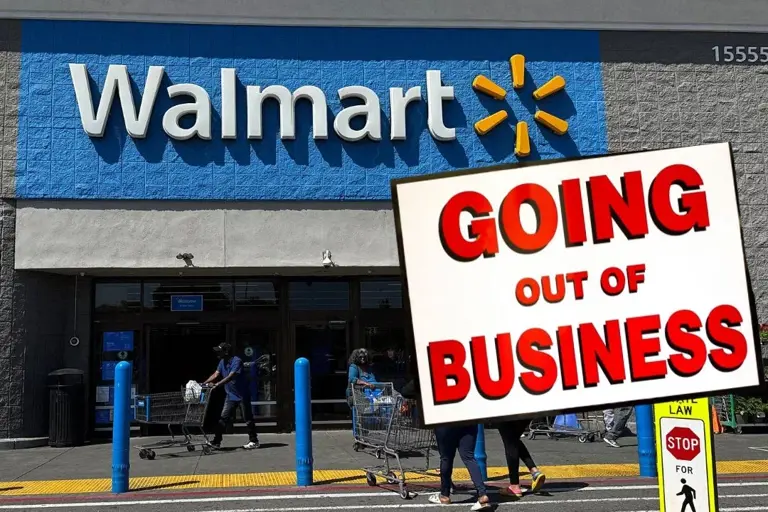
The closure of Rite Aid stores led to the shutdown of 347 locations, removing another layer of employment and healthcare access.
For many communities, the impact goes beyond lost paychecks.
The disappearance of a local Walmart or pharmacy means longer trips for basic needs, sometimes 15, even 35 miles each way.
In places where public transit is limited and car ownership is not guaranteed, these distances become real barriers.
Neighborhoods once served by big-box stores now face the risk of becoming retail deserts, where affordable groceries and medications are no longer within easy reach.

The consequences ripple outward, touching families, seniors, and the most vulnerable residents first.
California’s retail landscape is shifting beneath our feet.
As rising costs drive out even the biggest players, affordable access to essentials becomes more fragile.
The question now is not just which store will close next but who will be left to serve communities when giants walk away.
Affordable access and local availability are on the line.


