The Unraveling of Hoover Dam: Lake Mead’s 140-Foot Decline and the Future of Water in the West
As February 2026 approaches, Lake Mead’s water level is on track to reach a historic low, marking a significant moment for the Hoover Dam and the entire Colorado River basin.
The dam, which has stood as a testament to human ingenuity and control over nature for nearly a century, now faces an existential crisis.
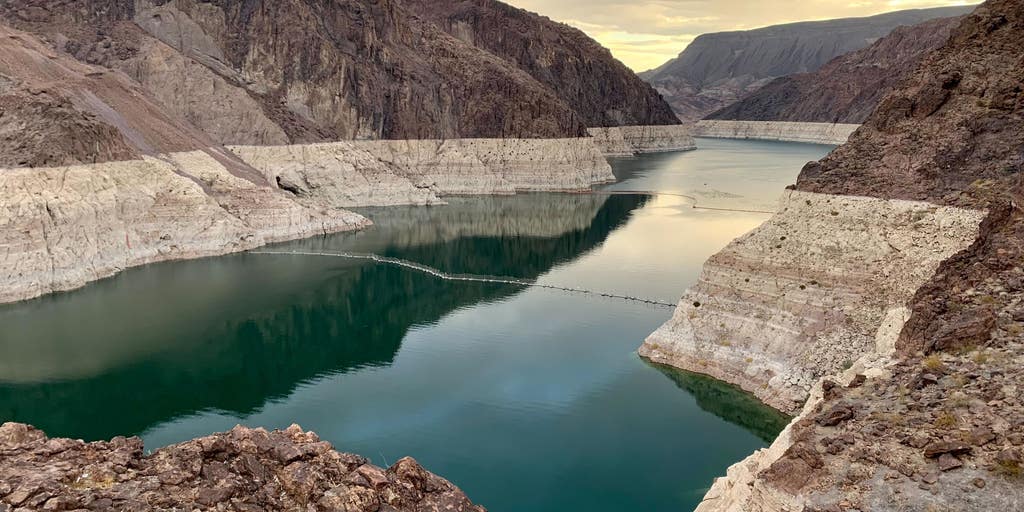
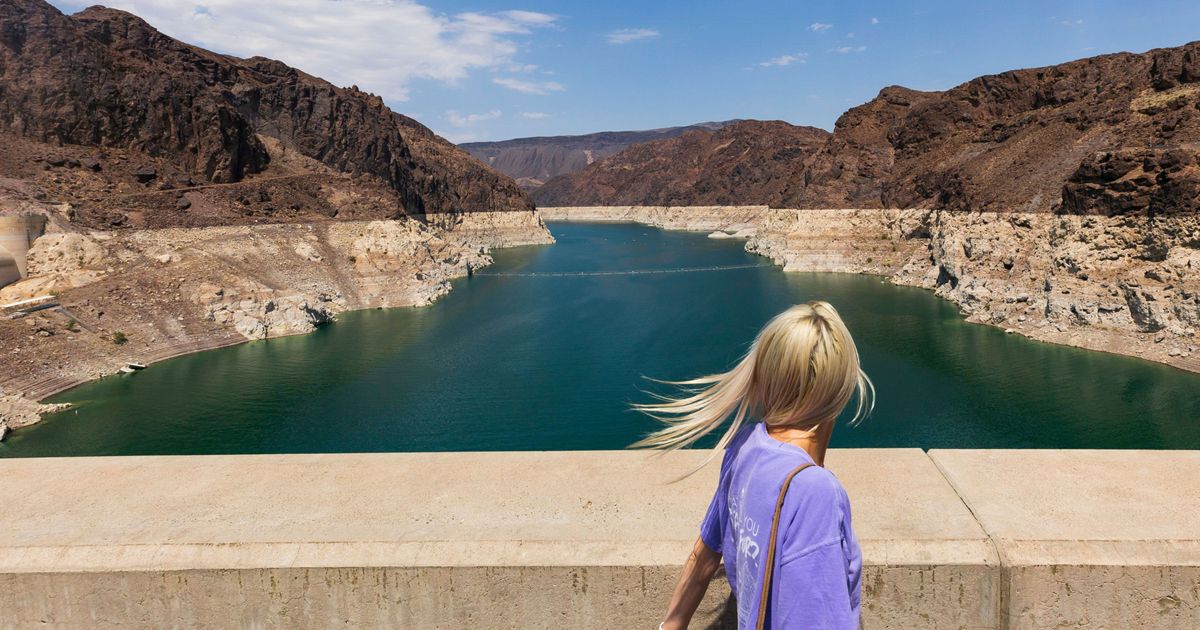
Tourists flock to the dam, cameras in hand, capturing the beauty of this engineering marvel, yet beyond its concrete walls lies a stark reality: a 140-foot white bathtub ring etched into the canyon walls serves as a haunting reminder of the lake’s dramatic decline.
Since 2000, Lake Mead has dropped from an elevation of 1,182 feet to just 1,042 feet above sea level, a decline that has persisted for 26 consecutive years without a single recovery.
What was once considered a normal operating level has transformed into a worrying trend, as scientists now recognize this situation as structural aridification rather than a mere drought.
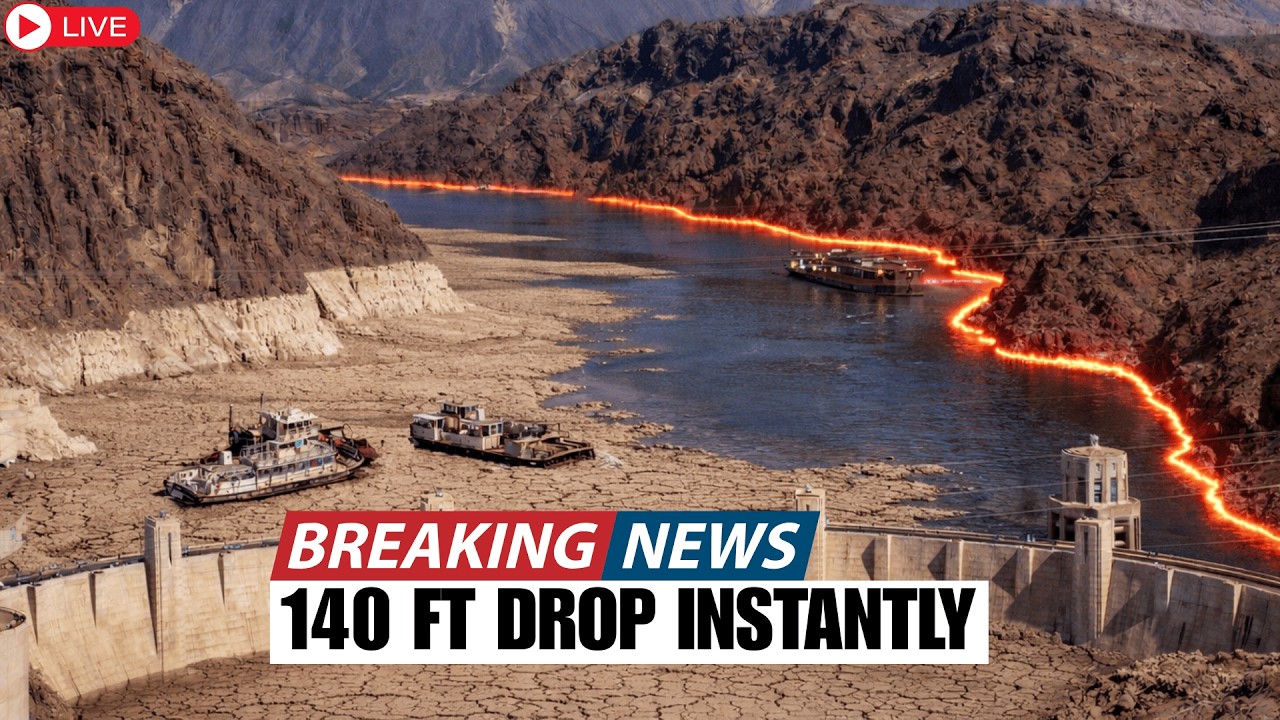
The Colorado River, which the dam was designed to harness, is no longer capable of sustaining its historical flow, leading to a critical shortage of water.
The Hoover Dam, dedicated in 1935 during the Great Depression, was built to manage the unpredictable forces of nature.
It has historically provided flood control, irrigation, and hydroelectric power to millions across Nevada, Arizona, and California.
However, as the water level continues to plummet, the dam’s ability to generate electricity is under threat.
The physics governing hydroelectric power are simple: water falling from a height creates pressure, which spins turbines to generate electricity.
As the lake’s elevation decreases, so does the hydraulic head, or the pressure available to generate power.
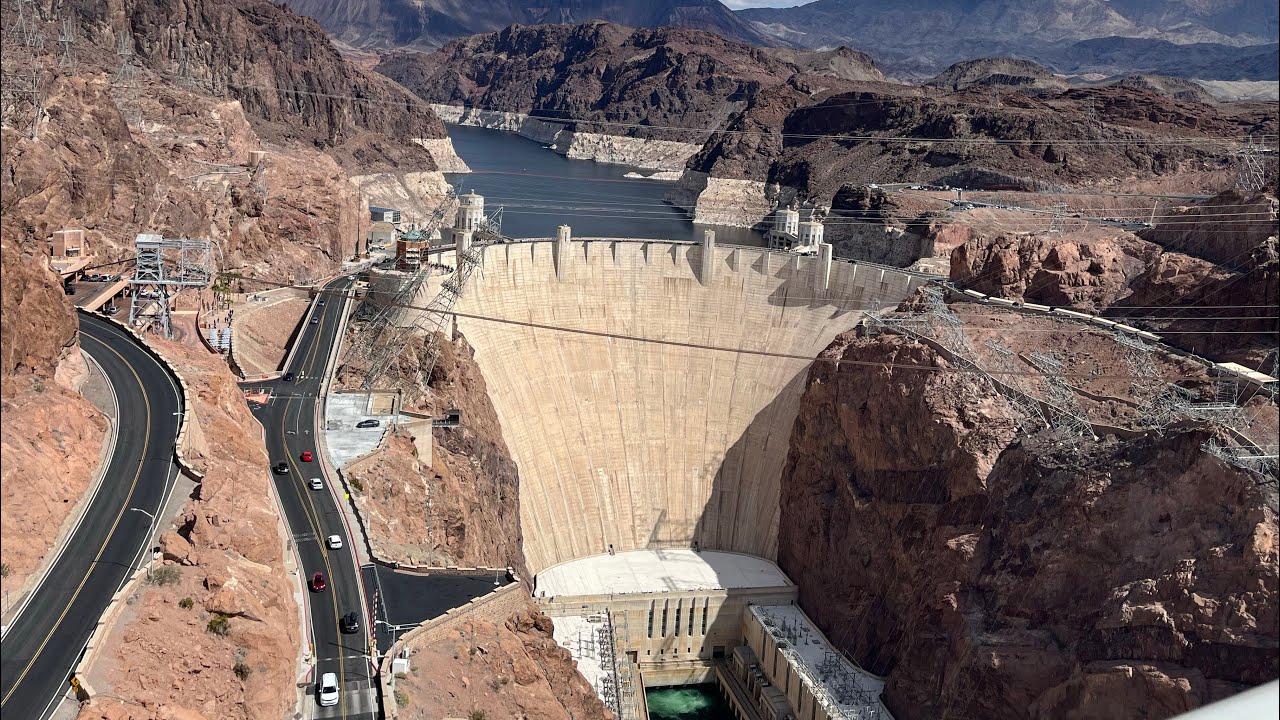
At 1,200 feet, the dam operates efficiently, but as it falls below this level, power generation begins to struggle.
Projections indicate that at 1,025 feet, the dam’s output could drop by approximately 50%.
With the current rate of decline averaging 5 to 6 feet per year, Lake Mead could reach this critical level by 2028.
This scenario raises alarming questions about the future of energy supply for over 1.3 million homes that rely on the dam for affordable electricity.
The implications of this decline extend beyond just energy generation.
Currently, Hoover Dam generates about 4 billion kilowatt-hours annually, providing power at a cost-effective rate of approximately 3 cents per kilowatt-hour.
However, if power output is halved, utilities will have to source replacement energy from more expensive alternatives like natural gas, solar, or wind, which could lead to significant increases in electricity bills for households across the region.
Residents in cities such as Las Vegas, Phoenix, and Southern California could see their monthly costs rise by $40 to $75, amounting to billions in additional annual expenses.
Moreover, Hoover Dam’s financial model is under threat.
The dam funds itself through power sales, generating roughly $150 million per year.
If power generation is cut in half, this revenue will collapse while maintenance costs remain fixed, leading to deferred repairs and equipment failures.
This creates a vicious cycle where reduced revenue means less capacity for maintenance, which in turn leads to even lower generation and further financial strain.
The dam that once symbolized self-sufficiency may soon require federal subsidies just to remain operational.
The human impact of this crisis is profound.
Imagine a scorching July day in Henderson, Nevada, where temperatures soar to 110°F.
Air conditioning is not merely a luxury; it is a matter of survival.
Hoover Dam provides base load power, stabilizing the energy grid during peak demand.
Unlike natural gas plants, which take time to ramp up, hydro turbines can respond instantly to spikes in demand.

If Lake Mead’s levels fall below 1,040 feet during peak summer months, the risk of rolling blackouts becomes a real and dangerous possibility, endangering vulnerable populations, hospitals, and critical infrastructure.
Faced with these challenges, the Bureau of Reclamation has three possible paths forward.
The first option involves reducing water releases to preserve lake elevation for power generation, which would necessitate severe cuts to water supplies for cities and farms downstream—a politically contentious and legally complex solution.
The second option is to accept declining power generation and replace it with other energy sources, leading to higher costs and increased emissions.
The third option is to retrofit the dam’s intake systems to function at lower elevations, a costly endeavor estimated at $3 to $5 billion, with construction potentially taking up to two years during which the dam would be offline.
Unfortunately, none of these options can restore the dam to its original capacity or refill Lake Mead.

The Hoover Dam is not merely a structure of concrete and steel; it embodies the ideology of the 20th century—the belief that nature could be tamed and controlled.
The Colorado River Compact allocated more water than the river can reliably produce, and for decades, this imbalance was masked by the reservoir’s storage capacity.
However, as the annual runoff forecasts for 2026 predict snowpack levels at only two-thirds of average, the reality of water scarcity becomes increasingly apparent.
The math simply does not add up, and the dam stands as a monument to the ᴀssumptions of a bygone era.
Each year, over a million tourists visit Hoover Dam, marveling at its grandeur and feeling the vibrations of the turbines.

Yet, as the years pᴀss, the turbines may eventually fall silent—not due to a dramatic collapse, but rather through a slow, inevitable decline into silence.
The dam will transform from a symbol of conquest over nature to one of limits and constraints.
The bathtub ring will remain, a visible testament to a century that believed in the endlessness of water resources.
As Lake Mead continues to drop at an alarming rate of roughly 6 feet per year, the looming question remains: what happens when the water runs out?
The ᴅᴇᴀᴅpool threshold sits at an elevation of 895 feet, and if current trends persist, that threshold could be reached within the next decade.
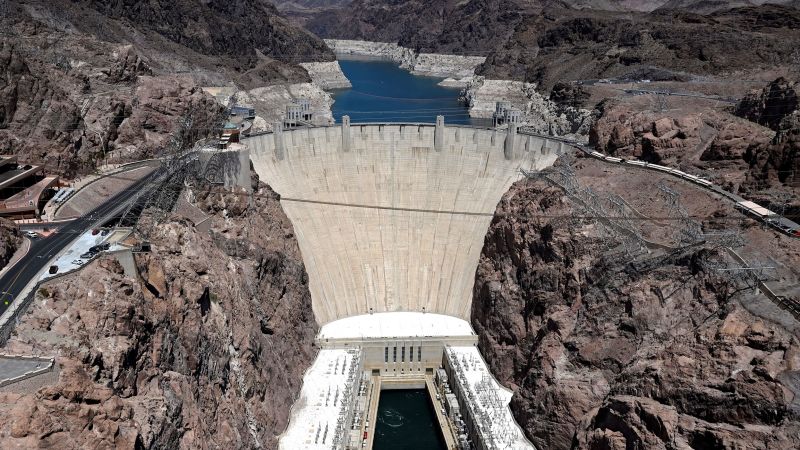
While the turbines still spin today, they do so at a slower rate than before, and the real concern is not merely whether Hoover Dam can survive another year, but whether the entire Western region can adapt to a river system that no longer aligns with its historical patterns.
The implications of losing the dam as a reliable power source and water reservoir are profound.
What happens when 1.3 million homes lose their cheapest source of electricity?
What will desert cities do when faced with permanent water scarcity?
Hoover Dam is not failing due to a sudden catastrophe; it is succumbing to the inexorable laws of mathematics.
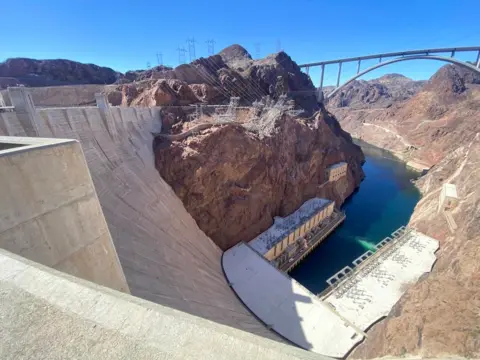
Without water, there can be no pressure, and without pressure, the turbines cannot operate.
The bathtub ring grows wider each year, a stark warning carved into the stone—a reminder not of disaster, but of the ᴀssumptions that led to this crisis.
When the turbines finally cease their operation, the implications will resonate far beyond the dam itself.
If this engineering marvel could not withstand the changing dynamics of the river it was built upon, what other structures have been constructed on borrowed resources?
The questions are daunting, and the answers remain uncertain, but one truth is clear: the era of water abundance is fading, and the West must confront the reality of its new normal.


