“Never, ever publish them.”
Jacqueline Kennedy repeated the words to her children more than once.
Years later, on her daughter Caroline’s wedding day, she said them again, suddenly serious, her voice stripped of ceremony.
What Jackie wanted hidden were not letters or diaries, but hours of recorded conversations—spoken barely four months after the ᴀssᴀssination of her husband, President John F. Kennedy, on November 22, 1963.
They were conversations about history, about grief, and about herself.
They contained intimate confessions and sharp, controversial judgments that could fracture the carefully built Kennedy legend.
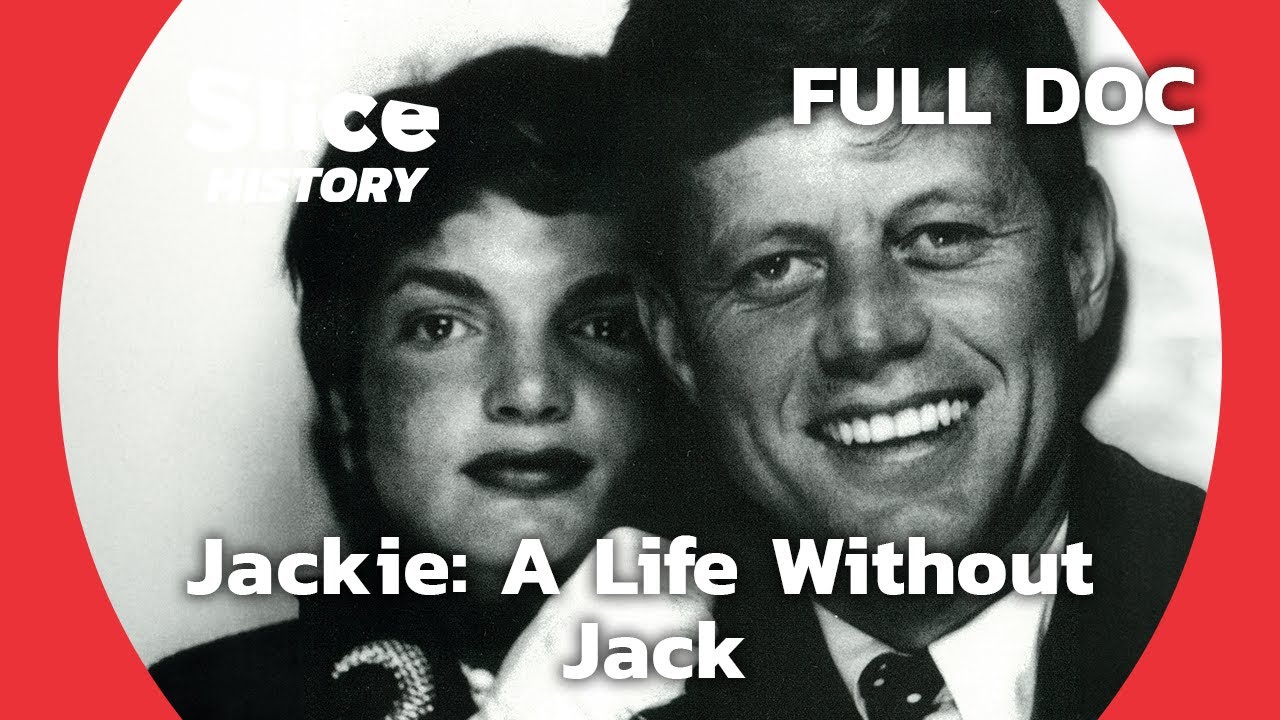
For decades, Caroline Kennedy honored that promise.
Jacqueline Kennedy rebuilt her life quietly, forging a successful career as an editor in New York until her death in May 1994.
The recordings remained sealed, destined—by Jackie’s own request—to remain unheard for fifty years after her death.
But history has a way of forcing its hand.
In 2011, as a television network prepared a dramatized series on the Kennedy saga, family secrets began to leak into fiction.
Rumors multiplied, speculation intensified, and the myth threatened to unravel without context.
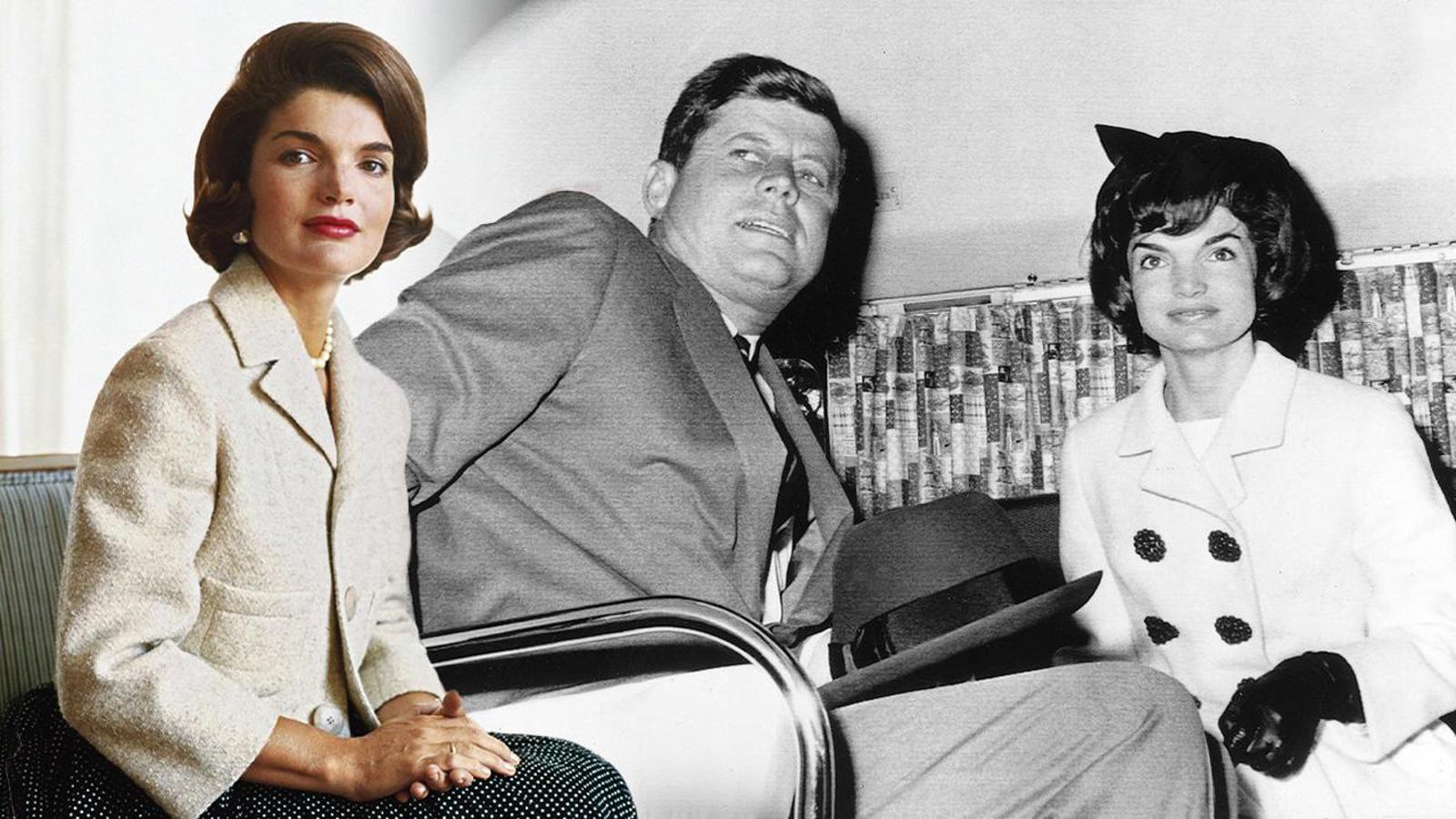
Faced with the prospect of distortion, Caroline made a decision her mother had long feared.
She authorized the release of eight hours of interviews recorded in early 1964 with historian Arthur Schlesinger, conversations that captured a 34-year-old widow still raw with grief, speaking freely, sometimes recklessly, about the life she had lost and the legacy she intended to protect.
Jackie spoke as if she were rewriting the past because, in a way, she was.
She could not change what had happened in Dallas, so she shaped how it would be remembered.
What emerges from the recordings is not merely a grieving First Lady, but a woman consciously constructing a legend while simultaneously exposing her own vulnerabilities.

Caroline Kennedy was only seven years old when her father was killed.
In the weeks that followed, the White House fell into an oppressive silence.
Jackie withdrew, often unable to speak without breaking down.
In the recordings, her pauses are long, her sighs frequent.
She describes the smallest details of her existence—the logistics of sleeping somewhere new, the shock of deciding where to live after the funeral—while the larger reality remained unbearable.
She never called her husband John, or JFK.
He was always “Jack.” Jack and Jackie, she said, names like twins, inseparable even in death.
She still heard the relentless drumbeat of his funeral, the echo of history marching forward while her private world collapsed.
Ten days after the ᴀssᴀssination, Jackie made her first public appearance, attending the ceremony where Secret Service agent Clint Hill was awarded the Medal of Honor.
Hill, who had leapt onto the presidential limousine in Dallas, carried his own guilt.
Jackie said simply that he would have given his life for them.
Three days later, she left the White House for Georgetown, abandoning the place that had contained both her happiest and most painful memories.
It was during this period that Jackie invited journalist Theodore White to her family estate, choosing him carefully.
She wanted control over the narrative.
She talked for four hours, reliving the Dallas trip, the pink suit Jack had asked her to wear, and her decision to keep it on despite the bloodstains.
She wanted the world to see what had been done to him.
She described climbing onto the back of the limousine—not to flee, she insisted, but because there was nothing left she could do.
White’s edited article, published in Life magazine in December 1963, laid the foundation of the Camelot myth.
Jack became King Arthur, fallen in battle, and Jackie became the grieving queen, guardian of his legend.
Yet the Schlesinger recordings reveal a far less polished version of events.
Jackie rejected the idea that Jack became president by default after his older brother Joe died in the war.
She dismissed Joe as lacking Jack’s intelligence and stature.
She emphasized her own role in his rise—organizing dinners, translating French books for him, acting as confidante and partner.
She bristled at the notion of being a “trophy wife.
” Politics, she said, was their shared language.
She spoke candidly about power and its poison.
The White House, she said, isolated them completely, cut off from reality.
She described moments of triumph and terror: the humiliation of the Bay of Pigs, Jack’s fear of Soviet leader Nikita Khrushchev, and the apocalyptic tension of the Cuban Missile Crisis.
She recalled Jack crying, something the public never saw.
Jackie also painted unflattering portraits of others.
Lyndon B. Johnson, in her telling, was crude, lazy, and unworthy, a man who “pounced” on the presidency.
She never forgave him for being sworn in so quickly after Jack’s death.
Her contempt extended beyond politics.
She dismantled her former admiration for France, mocking Charles de Gaulle and his wife with a bitterness that shocked even Schlesinger.
Most striking, however, is what she avoided saying outright.
Jackie never directly addressed Jack’s numerous affairs, though her silences were heavy.
She hinted at jealousy, at being sent abroad conveniently, at moments when she stopped herself mid-sentence, choosing not to continue.
“It’s not worth it,” she said at one point, pulling back from a truth she clearly knew.
The recordings reveal a woman oscillating between adoration and resentment, between myth-making and confession.
Jackie described Jack as a devoted father, a courageous man crippled by illness, hiding Addison’s disease and unbearable pain behind a tanned smile.
She acknowledged his drug use only indirectly, leaving others to fill in the gaps.
By mid-1964, her tone shifted.
The arrogance softened, giving way to fear.
Without Jack, she admitted, she felt like a child again, vulnerable and afraid.
She dreamed of a future that would never happen, of Jack as president for life, the only man capable of saving the country.
When the interviews ended, Jackie closed the door on that chapter forever.
She refused to write memoirs, granted no further interviews, and left Washington for New York to reinvent herself.
The woman in pink faded into a woman in black, carrying a myth she had built and a truth she had buried.
The release of these recordings does not destroy the Kennedy legend.
It complicates it.
It reveals that behind the icon stood a woman who understood power intimately, who curated memory with precision, and who paid a heavy personal price for shaping history.
In the end, Jackie Kennedy did not simply live through history—she edited it, one painful confession at a time.


