Bo Derek at 67: The Shocking Truth Behind Hollywood’s Icon—And Why Her Transformation Will Leave You Speechless
For decades, Bo Derek was more myth than woman—a perfect image projected onto screens, magazine covers, and the collective imagination.
But behind the fantasy, Mary Kathleen Collins was a restless California teenager with no plans for Hollywood, no ambitions for fame, and certainly no idea she would become a symbol for a generation.
Her childhood was turbulent: divorced parents, a mother working long hours as a stylist for performers, and a freedom that often turned into rebellion.
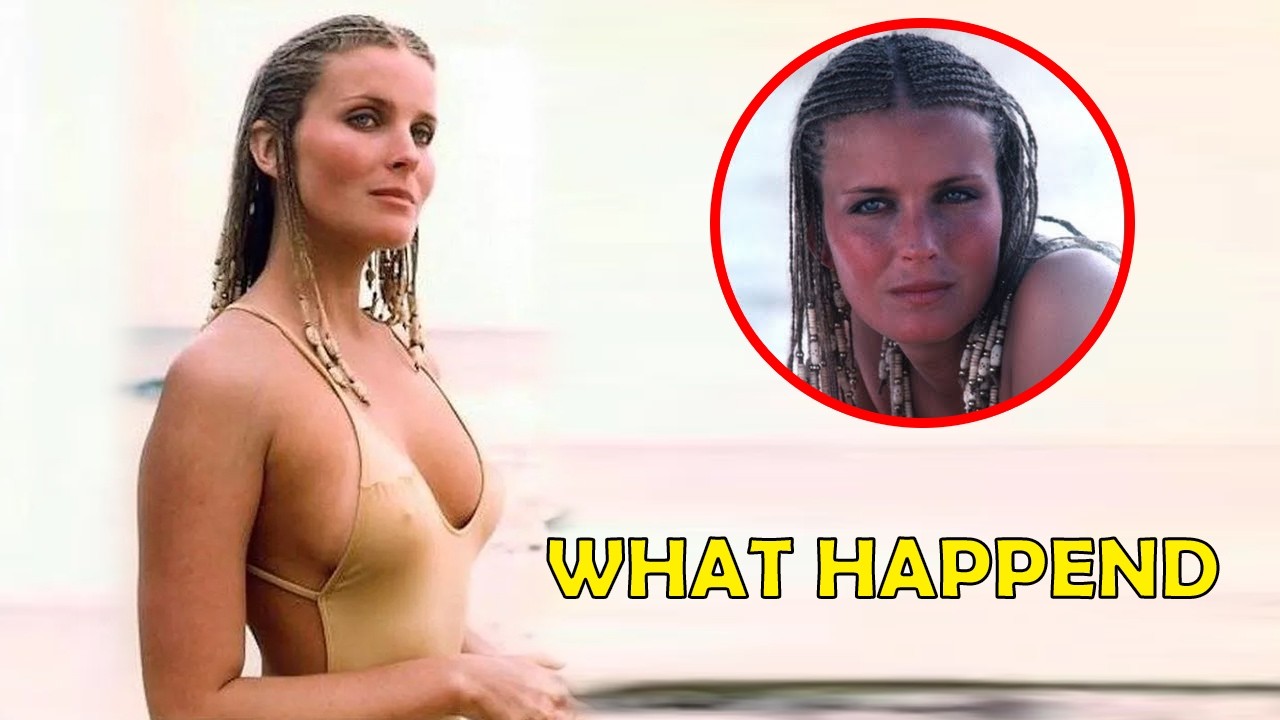
Bo skipped school for days to surf and sunbathe, hitchhiking alone to the beach—choices that seemed carefree at the time, but would haunt her with worry years later.
Even as a teenager, danger felt abstract, and survival seemed inevitable.
Everything changed when she met John Derek, a filmmaker decades her senior.
At 16, Bo was swept into his world, offered a role in his film, and convinced to leave high school behind.
The decision felt thrilling, like an escape from responsibility—but it came at a cost she couldn’t yet understand.

John was married to Linda Evans, and the relationship began in secrecy and imbalance, shaping Bo’s future in ways she couldn’t imagine.
John Derek didn’t just guide Bo’s career—he controlled it.
He changed her name, transformed her appearance, and engineered her rise as a star.
To outsiders, it looked like devotion; to Bo, it felt like protection.
They married as soon as legally possible, but the fallout from their union lingered quietly.

Bo later admitted that guilt over Linda Evans’s heartbreak never truly left her.
John’s vision for Bo was singular: she was to be a visual icon, not a versatile actress.
Scripts were tailored to showcase her body, not her voice or talent.
When Bo landed her breakthrough role in “10,” it wasn’t because of John’s influence, but because a director saw something unforgettable in her.
The film catapulted her into global stardom, but also trapped her in a persona she didn’t fully own.

Suddenly, Bo was everywhere—desired, discussed, but rarely understood.
Fame arrived violently.
The media froze her at the moment she ran along a beach, braids flying, transformed into the world’s fantasy.
Men wanted her, women studied her, but few asked who she really was.
Hollywood saw only the image, not the individual.

And John Derek, convinced he knew best, doubled down—creating roles that boxed her in, and refusing to let her evolve.
The cracks soon appeared.
Projects like “A Change of Seasons” and “Tarzan the Ape Man” were designed to cement her status, but critics attacked Bo for her limitations, rarely acknowledging the scripts or direction that confined her.
She became the face of film failures, targeted by the Golden Raspberry Awards and labeled one of the worst actresses of her era.
The humiliation was public and relentless, but Bo rarely showed the pain—she later admitted it cut deeply, especially since she was never given the chance to develop her craft.

Behind the scenes, Bo was exhausted.
She wanted to prove herself, but every attempt was blocked by John, who believed criticism meant they should push harder, not change direction.
The notorious flop “Bolero” marked the breaking point.
Bo realized the image that made her famous was destroying her confidence, and the man she trusted most was leading her deeper into silence.
When John Derek suffered a heart attack, Bo stepped away from acting to care for him.

Her life became quiet, defined by duty and love rather than ambition.
When she returned for “Ghosts Can’t Do It,” the result was another disaster—critically panned, mocked by the Razzies, and even involving Donald Trump in the ridicule.
The humiliation felt final.
Bo retreated, not in defeat, but in exhaustion.
Then came the ultimate loss: John Derek’s death.
Bo was left alone, emotionally unmoored, having spent her entire adult life in his orbit.

She had never dated freely, never lived independently, and now faced a future she had never imagined.
Grief was silent and constant.
Childlessness added another layer of pain—there had never been space for raising a family, and now that door was permanently closed.
For years, Bo lived quietly, reflecting on her past and learning to accept her choices.
Horses became her solace, and she devoted herself to animal welfare, working with organizations and serving on California’s horse racing board.
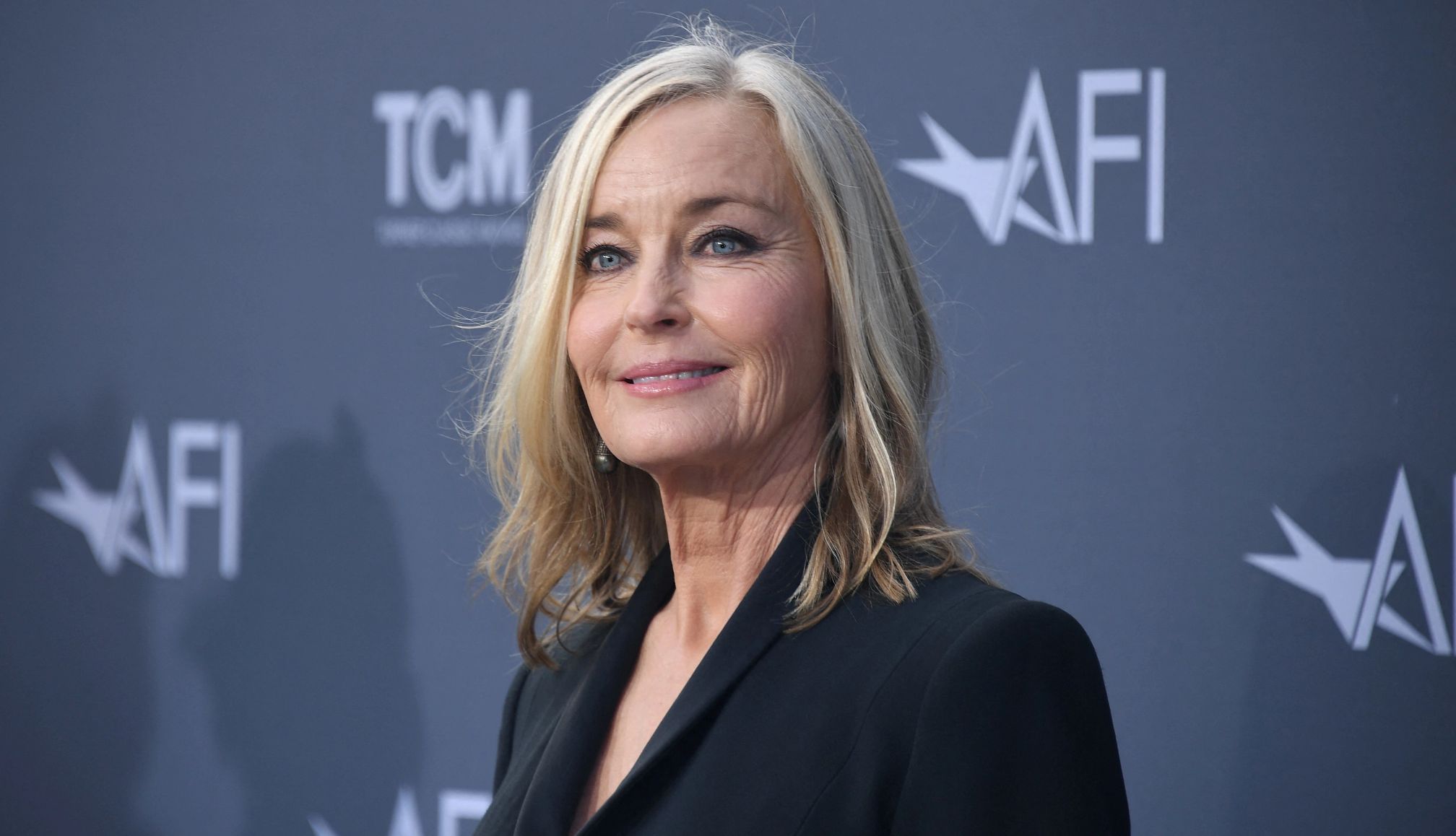
Away from Hollywood, she rebuilt herself piece by piece, rediscovering freedom and purpose.
Then, unexpectedly, came a second chance.
In the early 2000s, Bo agreed to a blind date with actor John Corbett.
Their relationship was slow, steady, and rooted in mutual respect—no headlines, no public drama.
For the first time, Bo felt seen without being shaped.
They lived together for years before marrying, content in their private world.
Today, Bo Derek’s life is defined by simplicity and peace.
She lives on a ranch, surrounded by animals and nature, rarely revisiting her old films except for “10”—not because of fame, but because she feels distant from the woman she was then.
That distance is freeing, not painful.
Now, at 67, Bo Derek turns heads not for youthful beauty, but for the serenity she radiates.
She has spoken openly about aging: no extreme secrets, just an active lifestyle, time outdoors, and a refusal to measure herself against her past.

What people see today is not just a face—they see the confidence of someone who survived being idolized, ridiculed, and controlled, and emerged whole.
Looking at Bo Derek now isn’t shocking because she still looks good—it’s shocking because she looks complete.
Her legacy is no longer a beach fantasy, but a story of survival, growth, and quiet joy.
She is a reminder that life can continue after the spotlight fades, and that beauty, ultimately, is something earned and internal.


