Princess Diana’s Maternal DNA: The Astonishing South Asian Secret Hidden for Centuries
When geneticists at the University of Edinburgh first received two small vials of saliva from women descended directly from Princess Diana’s maternal line, they expected to confirm a classic British aristocratic pedigree.
Instead, their analysis uncovered one of the rarest mitochondrial DNA markers on Earth—haplogroup R30B, found in only 14 people worldwide, almost all from India and Nepal.
The discovery sent shockwaves through both scientific and royal circles, challenging everything the public thought it knew about Diana’s roots.

Mitochondrial DNA (mtDNA) is pᴀssed exclusively from mother to child, making it a powerful tool for tracing unbroken maternal ancestry.
Unlike other genetic material, mtDNA remains unchanged through generations, acting as a silent witness to centuries of family history.
When Dr. Jim Wilson’s team scanned hundreds of markers along Diana’s maternal mitochondrial genome, the results were unequivocal: the R30B marker, a genetic signature almost exclusively South Asian, had found its way into Britain’s most famous princess.
This revelation forced genealogists to look beyond the written records, which had long obscured or erased uncomfortable truths.
The DNA pointed to a woman named Eliza Kewark, born around 1790 in Surat, a bustling port city on India’s western coast.
Eliza’s father bore an Armenian name, and she signed her letters in Armenian script, but the maternal line—the one responsible for the R30B marker—was South Asian.
Eliza became the housekeeper (and partner) of Scottish merchant Theodore Forbes, working for the East India Company.
Together, they had two children, Catherine and Alexander, but Eliza’s status as a mixed-heritage woman meant she could never be recognized as Forbes’s wife.
When Forbes died in 1820, his will referred to Eliza only as “housekeeper” and Catherine as his “reputed natural daughter.”

Catherine, just eight years old, was shipped alone to Scotland, never to see her mother again.
Eliza remained in India, her story nearly lost to history—her name reduced to a footnote in family documents.
For families like the Spencers, the Victorian obsession with pedigree meant that any hint of non-European ancestry was a threat.
Eliza’s Armenian name and script provided a convenient cover; Armenian ancestry could be spun as Christian and respectable, foreign but not “dangerous.”

Indian blood, on the other hand, would have been seen as a permanent stain.
Over generations, the story hardened, and by the time Diana was born, official records listed Eliza as Armenian.
The Spencers spent two centuries quietly editing their past to maintain their place in British high society.
But DNA cannot be erased.
The R30B marker is a genetic time capsule, and its presence in Diana’s maternal line is irrefutable evidence of South Asian ancestry.

This truth remained hidden until science forced it into the open, turning family myth into historical fact.
Diana’s maternal lineage isn’t the only part of her heritage that defies expectation.
The Spencer family tree is threaded with royal drama and scandal.
Diana descends from not one but three mistresses of Charles II—Barbara Villiers, Louise de Kérouaille, and Nell Gwyn—whose children, born outside the rules of succession, quietly entered the English aristocracy.
If English law had recognized these sons as legitimate, the royal line to the throne might look very different today.
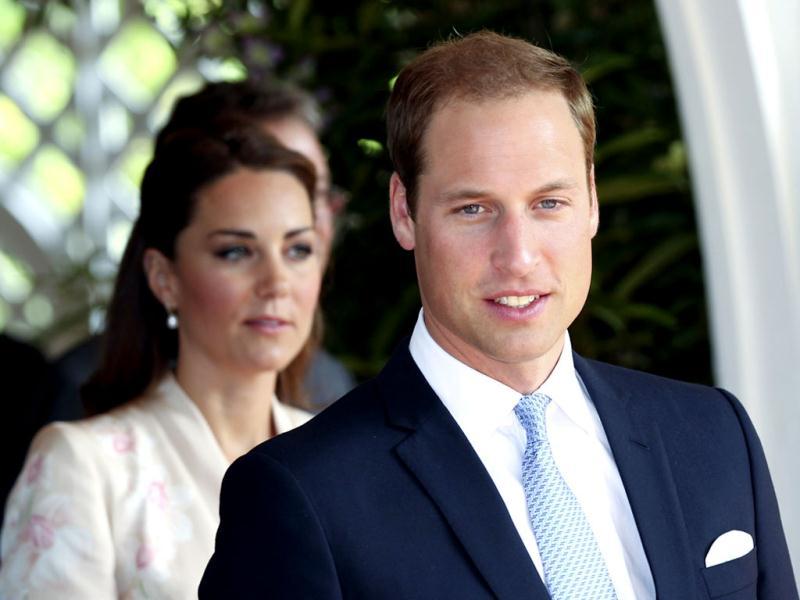
When Diana’s engagement to Prince Charles was announced, editors of Burke’s Peerage declared that Diana had more English royal blood than her future husband.
The Spencers, they said, were “stiff with royal connections.”
Diana’s ancestry includes direct descent from Mary, Queen of Scots, executed by her cousin Elizabeth I in 1587—a legacy of royal blood, drama, and intrigue.
The Spencer estate at Althorp has stood since 1508, weathering wars and dynasties, its roots deeper in English soil than the crown itself.
The royal family, by contrast, only became “Windsor” in 1917, changing its German name during World War I to quell anti-German sentiment.
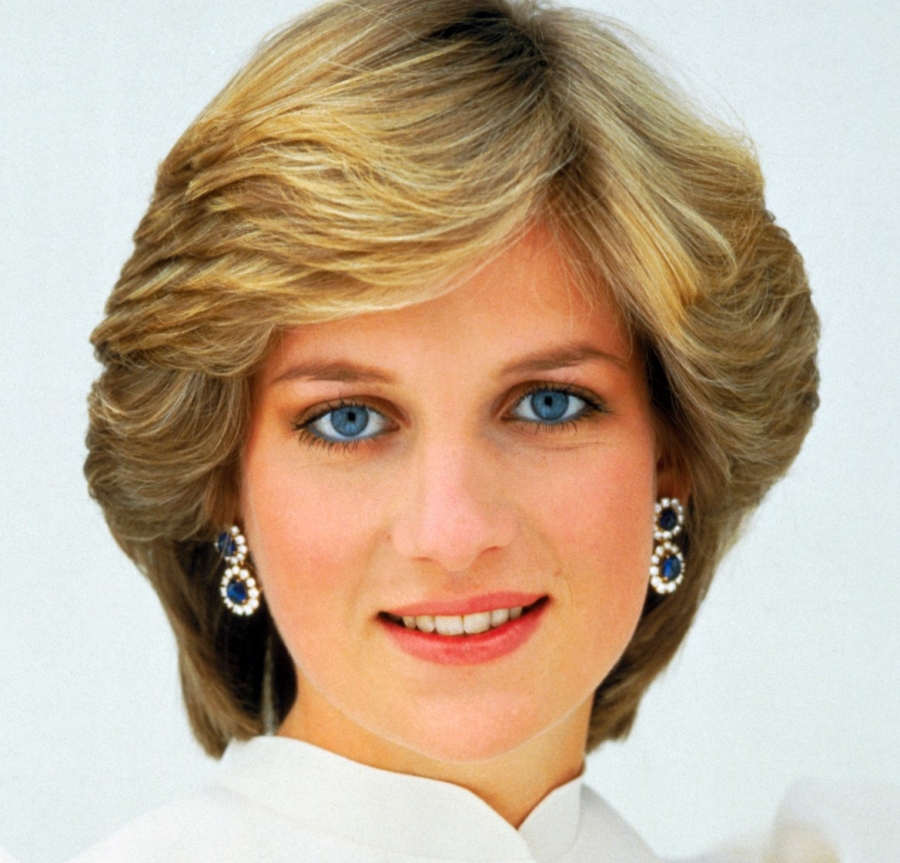
Diana’s heritage is thus a tapestry of English, South Asian, Armenian, American, and even presidential bloodlines.
Her maternal great-grandmother, Frances Ellen Work, was born in New York City and married into British aristocracy, bringing American wealth and connections to the family.
Through Frances, Diana is related to US presidents John Adams and Thomas Jefferson, poet Ralph Waldo Emerson, and banker J. P. Morgan.
The Spencer line became a bridge between Old England and the New World, with Winston Churchill as another illustrious descendant.
Today, this extraordinary legacy rests with Prince William, who carries the same rare R30B mitochondrial marker—a genetic thread that began in Gujarat, pᴀssed through Eliza Kewark, and survived centuries of silence.

But because mitochondrial DNA is pᴀssed only from mother to child, William’s children will not inherit it.
The line ends with him and his brother, closing the chapter on Diana’s hidden ancestry.
As DNA technology continues to restore stories once erased by history, the monarchy is forced to reckon with a more complex and inclusive narrative.
Diana’s maternal DNA has revealed that even the world’s oldest and most scrutinized families harbor secrets waiting to be discovered.
The real story of heritage, idenтιтy, and belonging is always more layered—and more interesting—than the myths we cling to.


