ICE and FBI Strike Hard: Major Drug Bust in Washington Unveils Cartel Operations
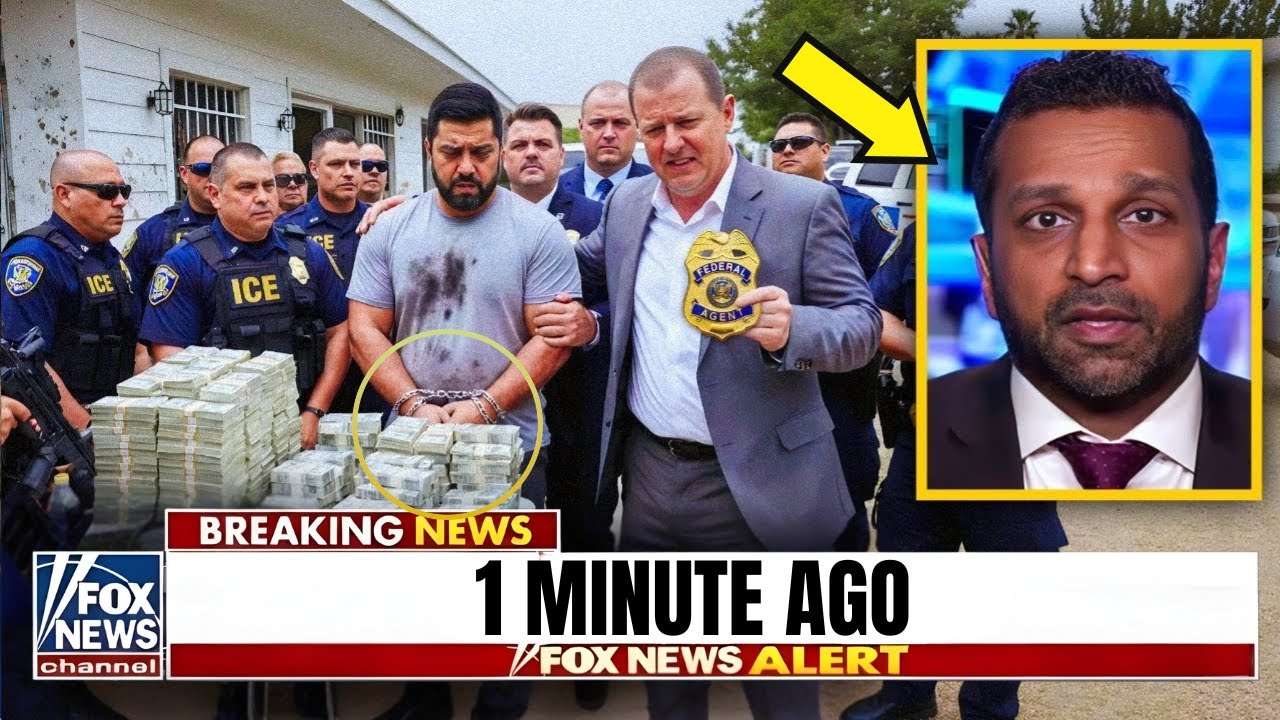
In a dramatic and high-stakes operation on January 22, 2026, agents from ICE and the FBI executed a raid on a stash house in Marysville, Washington, leading to the arrest of a suspected Mexican cartel boss, Luis Donaldo Gallana Garcia.
This operation has sent shockwaves through the community and raised serious concerns about the scale of drug trafficking operations operating in the Pacific Northwest.
During the raid, authorities seized a staggering $155,000 in cash along with 20 pounds of cocaine and 15 pounds of crystal meth, revealing the extent of the cartel’s influence and operations within the region.
The discovery of such a significant cache of drugs and cash in a quiet suburban neighborhood paints a chilling picture of the drug crisis facing America today.
What makes this situation even more alarming is the timing of the raid, which coincided with the sentencing of a former DEA agent, Joseph Bonjiovani, who was convicted of corruption after spending two decades leaking intelligence to drug traffickers.
Bonjiovani’s actions allowed drug cartels to flourish while undermining the very law enforcement efforts meant to combat them.
He was found guilty of filing false reports, misleading investigations, and actively protecting criminals, including mob-connected individuals involved in drug trafficking.
The betrayal of trust by federal agents like Bonjiovani raises serious questions about the integrity of law enforcement agencies tasked with fighting the drug epidemic.
The operation in Marysville was the culmination of months of undercover work by Homeland Security Investigations, which had been tracking Garcia’s movements and communications since the summer of 2025.
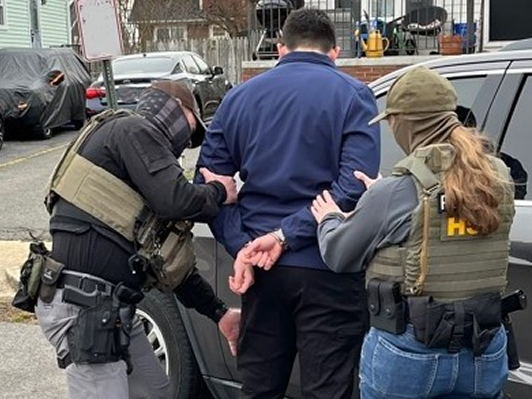
The collaboration with border patrol units and the DEA was crucial in dismantling this trafficking ring that was flooding western Washington with drugs.
Investigators noted that Garcia had built a network of ᴀssociates strategically positioned throughout the region, making the operation even more complex and dangerous.
When ICE teams breached the door of Garcia’s residence, they uncovered a scene that illustrated the violent and militarized nature of cartel operations now operating openly on U.S. soil.
For years, these criminals operated with a sense of security, believing that corrupt agents were protecting their interests, but the tide has begun to turn.
The day before Garcia’s arrest, Bonjiovani was sentenced to just five years in federal prison for his extensive corruption, a sentence that many consider far too lenient given the scale of his betrayal.
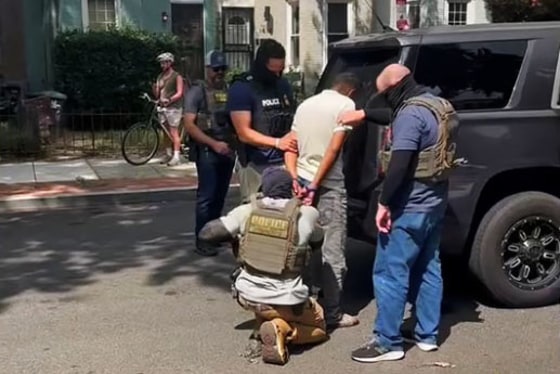
While Garcia faces a mandatory minimum of ten years for his drug trafficking activities, Bonjiovani’s relatively light sentence has sparked outrage and raised questions about accountability within law enforcement.
This case is not an isolated incident; Bonjiovani is one of at least 17 DEA agents who have faced federal corruption charges in the last decade.
The implications of this corruption are staggering, as it allows drug cartels to operate with impunity, jeopardizing public safety and undermining the efforts of honest law enforcement officers.
The recent actions taken against Garcia and his ᴀssociates reflect a broader strategy under the current administration to combat both drug trafficking and the corruption that enables it.
President Trump’s administration has pivoted to a zero-tolerance approach, emphasizing the need to eliminate both the cartels and the corrupt officials who facilitate their operations.
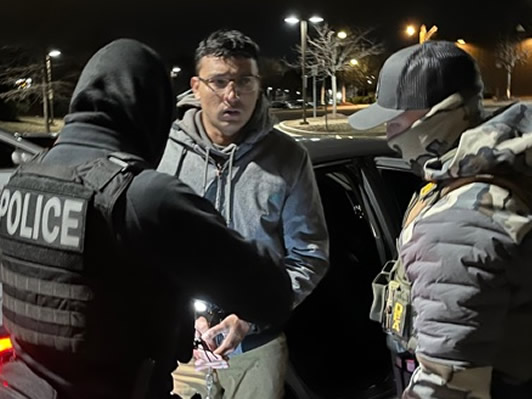
This shift in strategy has already led to the deportation of over 670,000 illegal aliens, including violent offenders and drug dealers, as well as the arrest of thousands of gang members and suspected terrorists.
The crackdown on cartel operations is not limited to Garcia’s ring; just months before, federal authorities dismantled another Sinaloa cartel cell, seizing mᴀssive quanтιтies of drugs and weapons in a coordinated effort to combat the growing threat.
The Kamargo Banuos brothers orchestrated a significant drug pipeline, using tractor trailers to transport drugs from the border into Washington, highlighting the entrenched nature of cartel operations in American communities.
During a series of raids, authorities seized 9 kilograms of meth, 5 kilograms of fentanyl, and over $342,000, further illustrating the severity of the drug crisis facing the nation.
The staggering amount of fentanyl alone could yield millions of lethal doses, posing a dire threat to public health and safety.
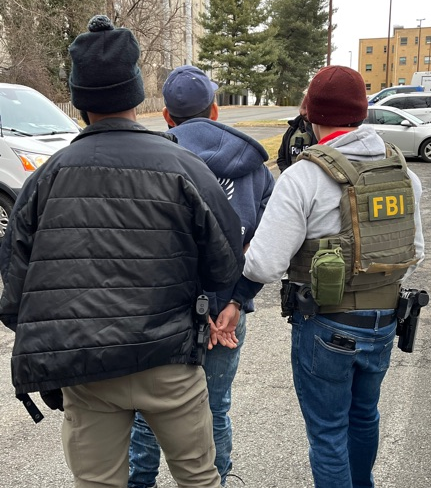
As ICE and other agencies ramp up their efforts to dismantle these networks, the question remains: how can law enforcement effectively combat the dual threats of drug trafficking and internal corruption?
The recent events underscore the urgent need for systemic reforms within federal law enforcement to prevent corruption and ensure that agents are held accountable for their actions.
While the arrests of individuals like Garcia and Bonjiovani represent a step in the right direction, the fight against drug trafficking is far from over.
The ongoing battle against the cartels and the corruption within law enforcement will require a sustained and coordinated effort to protect communities from the devastating effects of drug abuse and trafficking.
As the situation evolves, it is crucial for the public to remain informed and engaged in the conversation surrounding drug policy, law enforcement integrity, and community safety.


