Sweden’s Meteor Moment: The Game-Changing Military Aid That Could Redefine Ukraine’s War Against Russia
The war in Ukraine has been defined by waves of international support, but Sweden’s newest military aid package is poised to shift the balance in a way that few could have predicted.
While much of the world’s attention has focused on tanks, artillery, and HIMARS, Sweden is quietly preparing to deliver a suite of technologies and support that could fundamentally alter Ukraine’s ability to defend itself—and strike back.
The headlines began with a meeting between Ukraine’s Defense Minister Mykhailo Fedorov and his Swedish counterpart Pal Jonson, where the scope of Sweden’s commitment became clear.

The package, described by Ukrainian officials as “large-scale,” includes advanced air defense systems and radars from Saab, as well as electronic warfare platforms and deep-strike drones.
These drones promise to extend Ukraine’s reach, enabling attacks on Russian infrastructure far behind the front lines—a tactic that has already seen Ukraine shut down as much as 38% of Russia’s oil refining capacity in 2025 alone.
But the news that truly rattled the Kremlin was the discussion of Sweden’s Meteor missile—a weapon so advanced it could force Russian pilots to rethink their strategies entirely.
While the Meteor isn’t confirmed for the immediate aid package, its arrival in Ukraine is now a real possibility, and the implications are staggering.
The Meteor missile is not just another piece of Western hardware.

Developed through a pan-European collaboration involving Sweden, Germany, Italy, France, Spain, and the UK, the Meteor is a Beyond Visual Range Air-to-Air Missile (BVRAAM) designed to destroy targets up to 100 kilometers away at speeds exceeding Mach 4.
Its “no-escape zone” covers 60 kilometers, meaning any aircraft within that radius is essentially doomed.
With a blast-fragmentation warhead and sophisticated guidance systems, the Meteor can track and destroy even the most evasive targets, operating effectively in the electronic warfare environments where Russian forces have previously excelled.
Currently, the Meteor is compatible only with a select group of Western fighter jets: the F-35, Eurofighter Typhoon, Dᴀssault Rafale, and Sweden’s own JAS Gripen.
Ukraine has already signed a letter of intent to acquire up to 150 Gripen jets—potentially making it the first non-NATO country to field the Meteor in combat.

The first Gripens are expected to arrive in 2026, with plans for Ukrainian ᴀssembly and production of the jets by 2033.
This isn’t just a transfer of hardware; it’s the birth of a new Ukrainian air force, engineered for the next generation of warfare.
Why is this so significant? Russia’s air campaign relies heavily on stand-off tactics, with bombers and fighters launching guided bombs and missiles from well outside the reach of Ukraine’s legacy air-to-air missiles.
In January 2026 alone, Russian aircraft launched over 5,500 guided aerial bombs and 6,000 attack drones at Ukrainian targets.
The Meteor, with its extended range and advanced targeting, could allow Ukraine to finally reach these bombers—potentially saving cities from destruction and forcing Russian pilots to operate under constant threat.
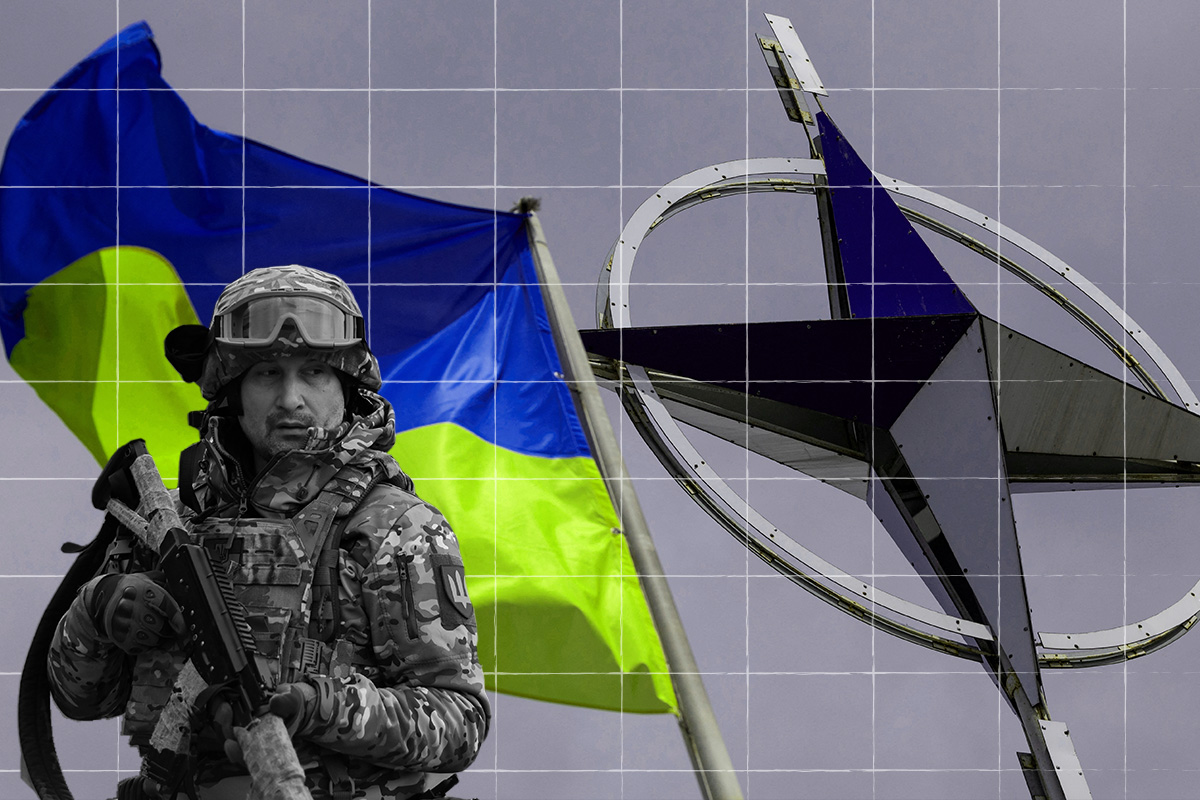
Moreover, Sweden’s aid isn’t limited to missiles and jets.
The package includes deep-strike drones and electronic warfare systems designed to disrupt Russian communications and navigation, as well as contributions to Ukraine’s defense industrial base.
Sweden is investing $440 million in its own drone and electronic warfare development, much of which may end up in Ukrainian hands.
A joint technology cluster, Brave-Sweden, will enable Swedish and Ukrainian companies to co-develop new military solutions, with grants and support for frontline deployment.
The strategic shift is profound.
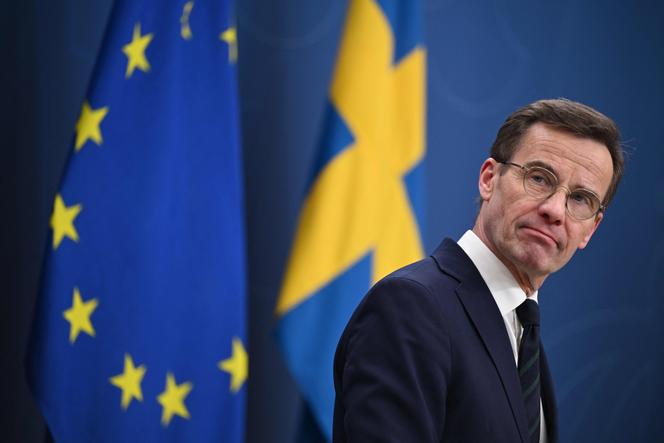
In the past, Ukraine’s allies focused on replenishing stocks and plugging gaps.
Now, Sweden is helping Ukraine leap ahead technologically, actively shaping its capabilities rather than simply resupplying them.
The Meteor missile and Gripen fighters represent a qualitative leap—one that could force Russia to rethink not just tactics, but the very nature of its air campaign.
Yet for all the excitement, challenges remain.
The Meteor’s deployment depends on Ukraine acquiring compatible jets, and while the letter of intent is promising, it is not a guarantee.
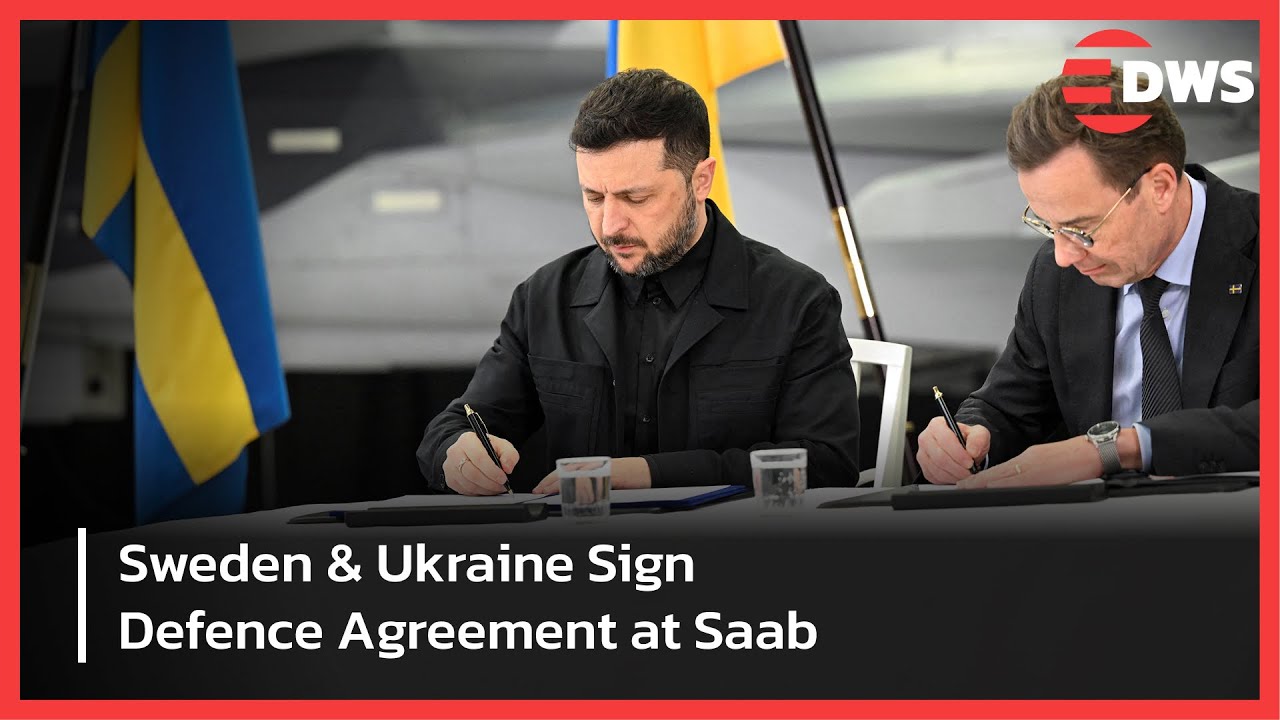
The planned localization of Gripen production in Ukraine is years away, and the immediate aid package will focus on air defenses, radars, and drones.
Still, the momentum is undeniable.
Sweden has gone “all-in,” and Ukraine is responding with new collaborative programs, joint manufacturing, and a shared vision for the future.
Sweden’s support is also set to expand through the PURL program (Prioritized Ukraine Requirements List), a NATO and US-led initiative that ensures Ukraine receives the weapons it needs most, funded by allies.
Sweden’s contributions could mean more Patriot air defense systems and other advanced technologies, further bolstering Ukraine’s ability to counter Russian missile threats.
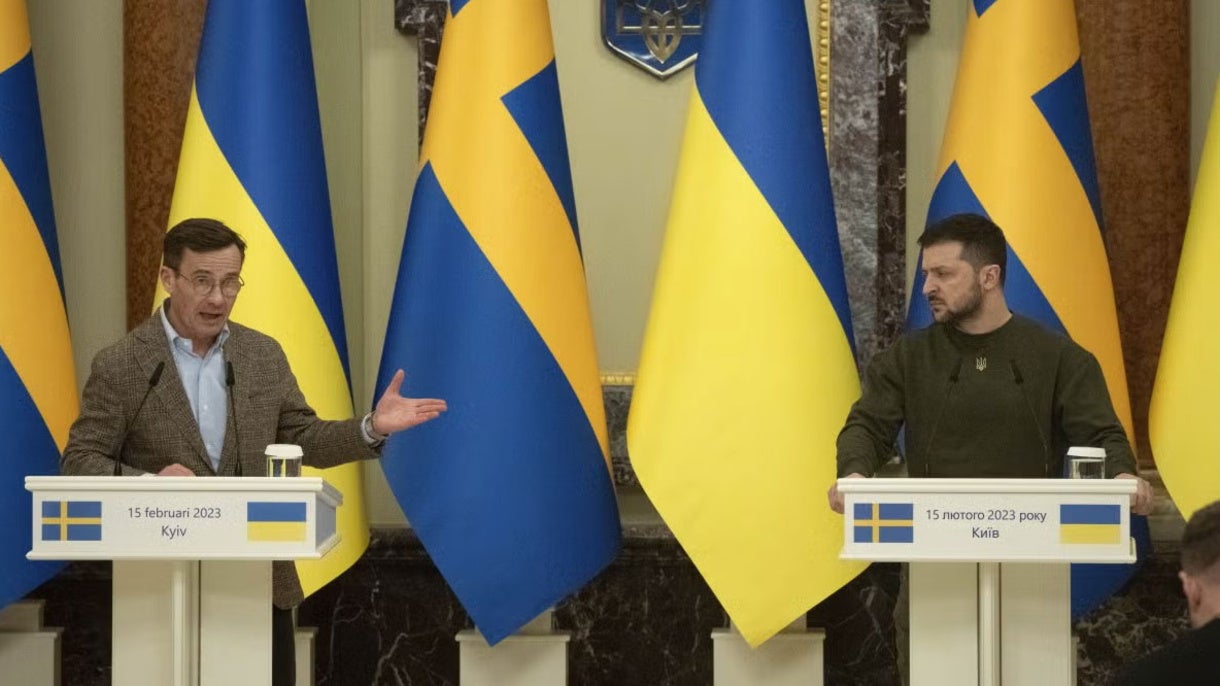
Behind every technical detail lies a strategic message: Sweden is no longer just a supplier; it is a partner in Ukraine’s transformation.
The arrival of the Meteor missile, the promise of Gripen jets, and the joint development of new military technologies signal a new phase in the war—one where Ukraine is not merely surviving, but evolving into a force capable of reshaping the battlefield.
For Russia, the prospect is terrifying.
The Meteor could render stand-off bombing runs obsolete, deep-strike drones could cripple logistics and infrastructure, and a new Ukrainian air force could challenge Russian dominance in the skies.
As Sweden and Ukraine deepen their partnership, the world is witnessing the birth of a new military paradigm—one that could define the next chapter of the war, and perhaps its outcome.


