“Where Free Speech Meets Defamation: Inside Teyana Taylor’s Legal Fight”
The ongoing clash between celebrities and online commentators has entered another explosive chapter, and this time it involves Teyana Taylor and controversial blogger Tasha K.

What began as viral internet talk has now reportedly moved into the courtroom, where serious legal claims are being weighed — and the outcome could send a powerful message about the limits of online gossip culture.
According to reports surrounding the filing, Teyana Taylor is taking legal action over statements she alleges were false, deeply personal, and damaging to her reputation.
At the center of the dispute are claims circulated online that Taylor says cross the line from commentary into defamation.
While the specific allegations have fueled intense social media debate, the legal question is more direct: were unverified and harmful statements presented as fact in a way that caused measurable damage?
This case lands in a digital era where celebrity news no longer travels only through traditional media.

Bloggers, influencers, and independent commentators now command audiences in the millions.
Platforms reward bold claims, dramatic headlines, and emotionally charged narratives.
But as reach grows, so does legal risk.
Tasha K is no stranger to legal controversy.
She has built a reputation for delivering sensational celebrity stories, often framed as insider revelations.
Supporters say she gives voice to information mainstream outlets won’t touch.
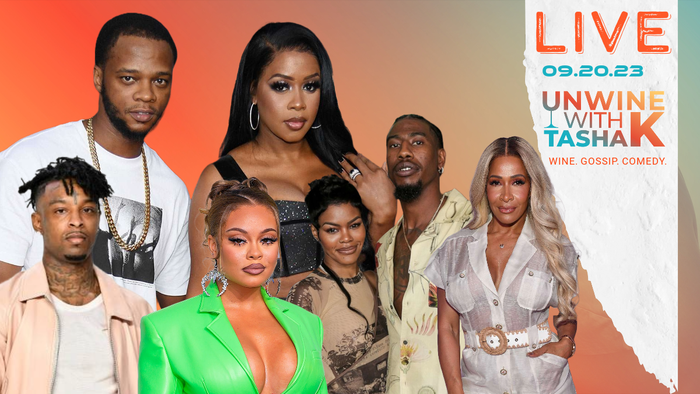
Critics argue that her content sometimes pushes past responsible reporting into territory that can carry legal consequences.
For Taylor, the issue appears to be less about internet chatter and more about formal accountability.
Lawsuits like this often focus on key elements: whether the statements were presented as fact, whether they were false, whether they were published to others, and whether they caused reputational or financial harm.
In cases involving public figures, there’s an additional hurdle — proving “actual malice,” meaning the statements were made knowing they were false or with reckless disregard for the truth.
That legal standard is high, but recent history shows it’s not impossible.
The entertainment world has watched several high-profile defamation cases unfold in recent years, changing how influencers approach celebrity content.
Each new lawsuit adds pressure to a fast-moving online ecosystem that thrives on immediacy rather than verification.
What makes this situation especially sensitive is the personal nature of the alleged claims.
Topics involving health, relationships, and private life carry emotional weight and potential stigma, which is why courts often examine them closely in defamation disputes.
Even rumors repeated casually online can take on new legal meaning when broadcast to large audiences.
Fans of Teyana Taylor see the lawsuit as a stand for boundaries.
She has built a career that blends music, acting, and public appearances, often presenting strength and artistic vision.
Being ᴀssociated with unproven personal allegations can threaten not only reputation but professional opportunities.
In industries built on image, perception can have real financial impact.
Meanwhile, free speech advocates point out that commentary about public figures is legally protected to a degree.
The tension lies in where commentary ends and factual ᴀssertion begins.
Courts don’t punish opinion — they examine false statements of fact presented as truth.
The case also highlights the evolving role of bloggers as media figures.
Once viewed as informal commentators, many now operate with reach comparable to established outlets.
Yet legal expectations don’t disappear just because the platform is digital.
If anything, courts are increasingly signaling that influence carries responsibility.
Public reaction has been split.
Some online users argue that celebrities should expect scrutiny and criticism as part of fame.
Others believe there must be limits, especially when deeply personal subjects are involved.
The debate touches on broader cultural questions about privacy in the internet age.
For Tasha K, defending such cases often involves arguing that statements were opinions, repeating existing rumors, or lacking malicious intent.
For plaintiffs, the challenge is demonstrating harm and showing that the claims went beyond speculation into harmful misrepresentation.
Regardless of outcome, the lawsuit represents more than a personal dispute.
It’s part of a larger reckoning between celebrity culture and independent online media.
As audiences shift from traditional news to personality-driven platforms, the legal system is being asked to define accountability in new ways.
Observers note that high-profile defamation cases tend to have ripple effects.
Content creators may adopt stricter verification habits.
Legal teams may scrutinize online narratives more closely.
And audiences may become more aware that viral stories can carry legal consequences.
For now, the courtroom becomes the arena where facts, intent, and impact will be weighed — not by comment sections, but by legal standards.
The process may take time, as defamation cases often involve detailed examination of wording, context, and evidence.
What’s certain is that this dispute underscores a growing reality: the internet may move fast, but the law moves deliberately.
And when those two worlds collide, the outcome can reshape how stories are told in the digital age.


