Julie Andrews Unveils Her Legendary Journey: From Child Prodigy to Iconic Queen of Hollywood
Julie Andrews’ life and career are a tapestry woven from talent, luck, and relentless hard work.
Born in wartime England, Andrews’ journey began almost by accident.
When her school closed during World War II, her mother and stepfather—both performers—gave her singing lessons.
They soon discovered her remarkable adult larynx, capable of soaring through coloratura arias even as a child.
By age 10, she was performing on stage beside her family, and at 12, she earned her first major break in London.
The press was stunned by the “freaky” four-octave voice from such a young girl, setting the stage for a career that would defy all expectations.
Opportunity knocked when American producers, scouting London’s theater scene, saw Andrews in a production of Cinderella.
They invited her to Broadway, where she starred in “The Boyfriend,” and soon after, was handpicked by Lerner and Loewe to play Eliza Doolittle in “My Fair Lady.”

The role was a challenge: Andrews had never acted in a play before and struggled to master the Cockney accent.
But she threw herself into the work, learning every day and performing eight shows a week for three and a half years.
That relentless schedule taught her how to preserve her voice, deliver comedy, and handle every curveball—from sick co-stars to distracted audiences.
It was, she says, “the greatest learning experience on stage” she could ever have had.
Hollywood beckoned next, and Andrews was cast as the magical nanny in “Mary Poppins.”
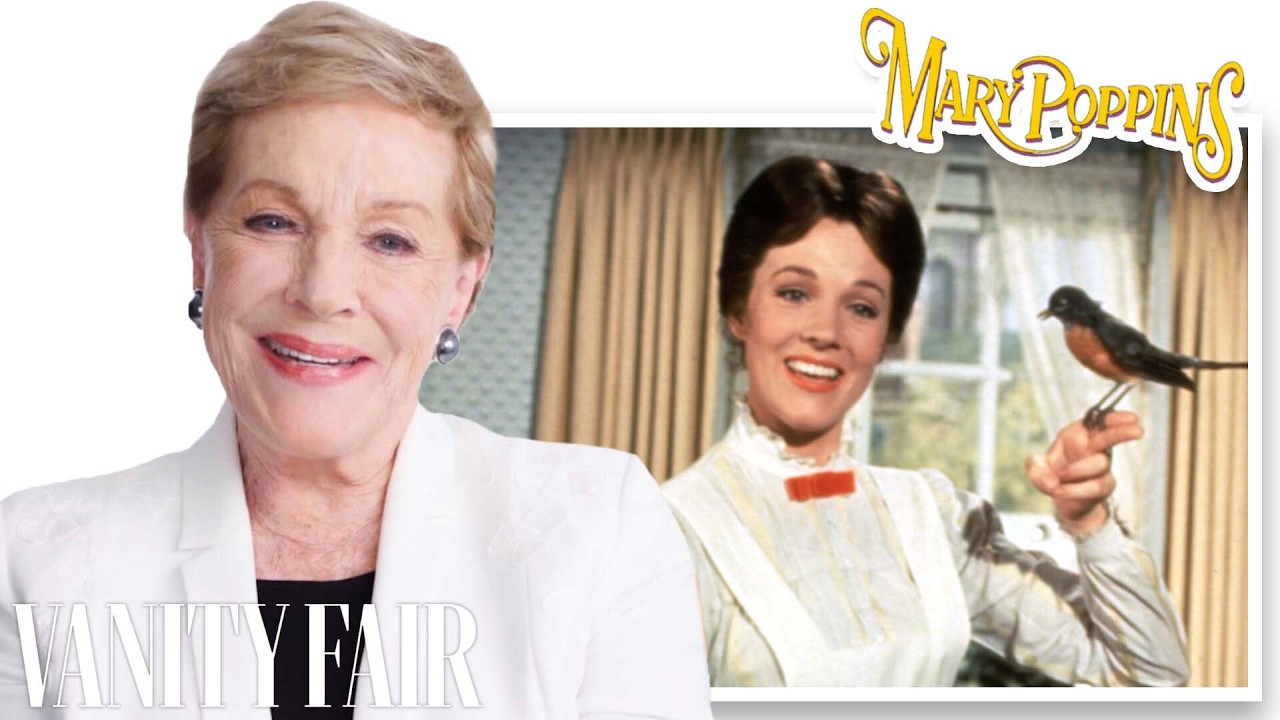
Working with Walt Disney was a new adventure, and the film’s music—full of vaudeville flair—felt like home to Andrews, whose roots were in English variety shows.
Her then-husband, Tony Walton, designed the film’s costumes and sets, giving Andrews crucial insight into Mary’s character: prim and proper on the outside, but with a secret, colorful life within.
Walton’s idea of vibrant petticoats and linings helped Andrews portray Mary as both formal and mischievous—a spoonful of sugar with a dash of hidden fun.
“The Sound of Music” followed, and Andrews was keenly aware of the risk that the film could become overly saccharine.
She, director Robert Wise, and co-star Christopher Plummer worked to keep the story grounded.

Plummer’s stern portrayal of Captain von Trapp provided the film’s emotional glue, and his friendship with Andrews endured for decades.
Together, they brought depth to a story that could have drowned in sweetness, making it a classic beloved by millions.
Andrews’ versatility shone in “Thoroughly Modern Millie,” a 1920s flapper comedy, and in her collaborations with Mary Tyler Moore, with whom she shared a lasting friendship.
Off-screen, Andrews’ personal life saw its own ups and downs, including a painful divorce and the beginning of a creative partnership with director Blake Edwards, whom she later married.
Together, they made seven films, including the groundbreaking “Victor/Victoria.”
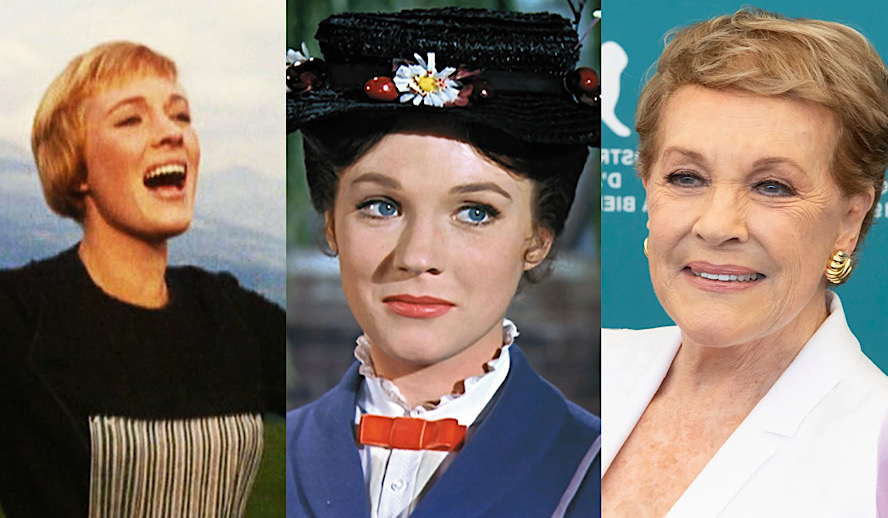
The role challenged Andrews to play with gender idenтιтy, blurring the lines between woman and man in a performance that was both daring and delightful.
Her chemistry with James Garner, a frequent co-star, added warmth and humor to the film.
Not every project was a blockbuster.
Andrews took on deeply emotional roles, like a violinist stricken with multiple sclerosis in a film loosely based on Jacqueline du Pré.
The experience was exhausting and heartbreaking, requiring intense research and empathy.

Despite the film’s brief run, Andrews remains proud of her work, noting the importance of telling stories about real struggles.
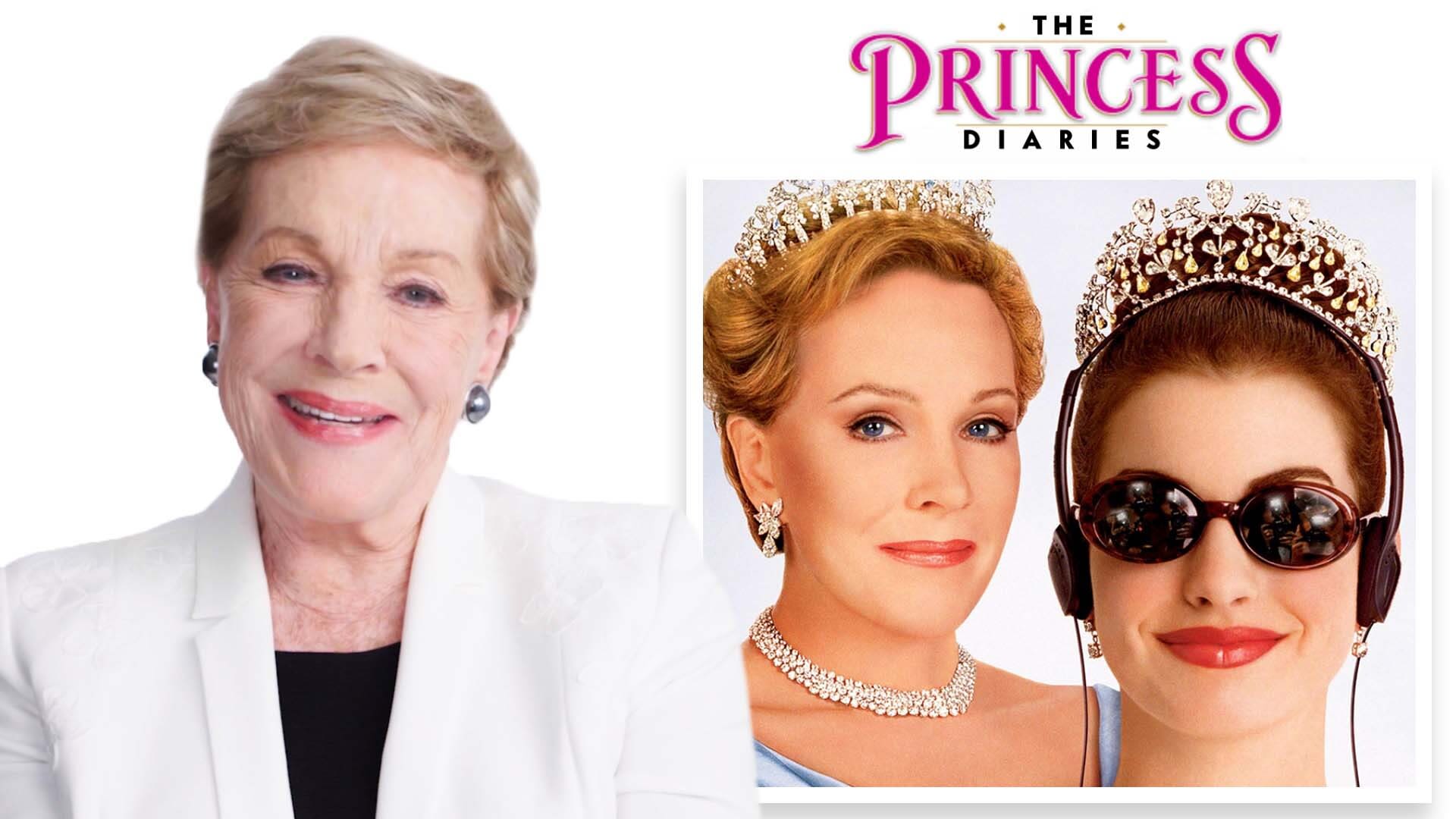
Later in her career, Andrews became a mentor and “mum” figure on the set of “The Princess Diaries,” starring alongside Anne Hathaway.
From day one, she recognized Hathaway’s star potential, praising her beauty, talent, and instincts.
Their friendship blossomed, and Andrews relished watching Hathaway grow into a Hollywood powerhouse.
Voice acting brought new challenges.

Andrews explains that giving life to animated characters—like Gru’s mother in “Despicable Me” and her roles in “Bridgerton” and “Minions”—requires a completely different technique.
Alone in a studio, she would record every possible reading of a line, leaving the final choices to the director.
The anonymity and freedom of voice work allowed her to embrace new personas, including the hilariously awful “Marena,” Gru’s self-absorbed mother, whom Andrews named herself.
She jokes that Gru’s villainy is really his mother’s fault—a tongue-in-cheek nod to her own playful sense of humor.
Throughout her career, Andrews has held fast to a simple philosophy: embrace what you love with all your heart, do your homework, and be ready when magic comes your way.

Her story is one of serendipity—unexpected opportunities, bold choices, and a willingness to learn and adapt.
Whether on stage, screen, or behind the microphone, Andrews’ legacy is built on preparation, pᴀssion, and a refusal to be anything but herself.
For young artists, she offers this advice: “Some great good fortune is going to pᴀss under your nose when you least expect it. Be ready.”
Julie Andrews’ life is proof that with talent, hard work, and a touch of magic, anything is possible.


