The Shroud of Turin has long been one of the most debated and mysterious relics in history.
This linen cloth, bearing the image of a crucified man, is believed by millions to be the burial cloth of Jesus Christ.
For centuries, it has inspired devotion, skepticism, and scientific inquiry, but recent findings have added an unexpected twist that could change everything we thought we knew.
One of the most intriguing figures involved in these new discoveries is Robert Rucker, a nuclear engineer with over 40 years of experience.
While his background might not be the first thing that comes to mind when you think about the Shroud, his unique approach to the mystery has led to some astonishing conclusions that challenge both skeptics and believers alike.
His studies focus on aspects of the Shroud that no one else has dared to investigate using the precision of nuclear science.
The Early Fascination with the Shroud
Rucker’s journey with the Shroud of Turin began in his youth.
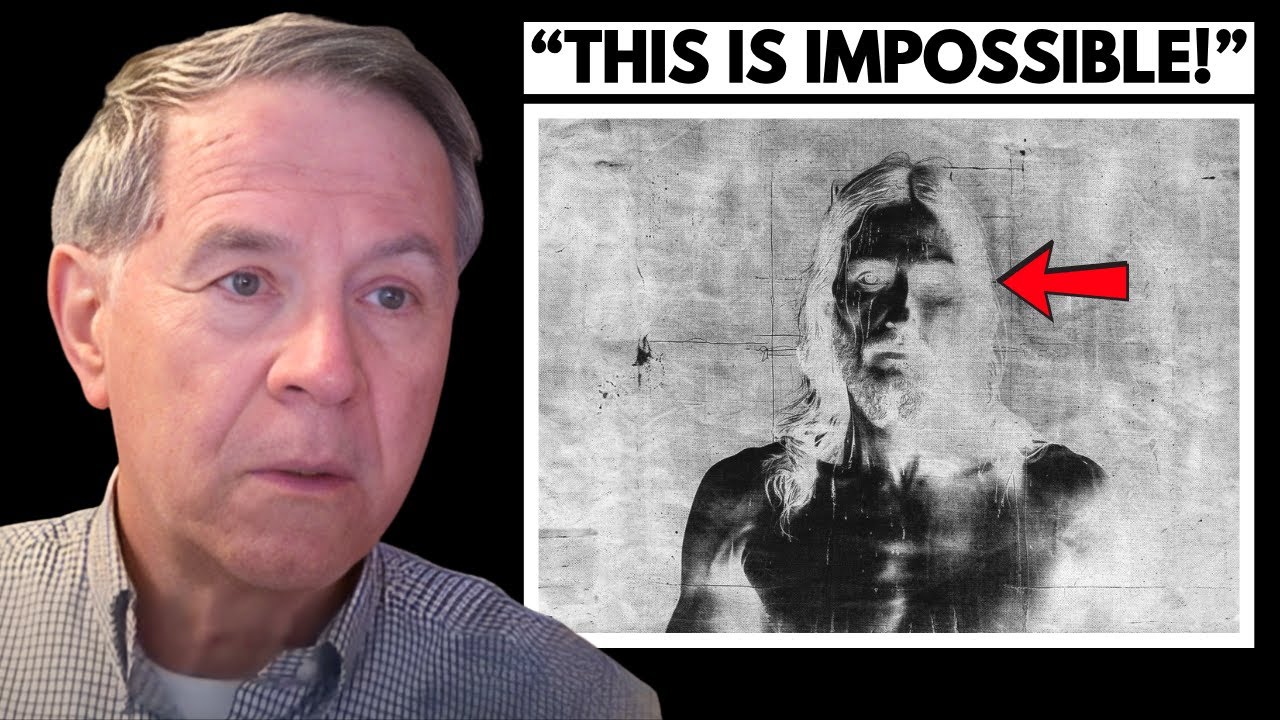
As a teenager, he came across a small image of the Shroud’s face in a Sunday magazine, with a brief caption suggesting it could be the burial cloth of Jesus.
At first, he was skeptical.
“If this were real, why wasn’t everyone talking about it?” he thought.
But his curiosity was piqued, and over the years, he began reading more about the Shroud, studying its history, and diving into the scientific analyses surrounding it.
The pivotal moment came when the Shroud underwent carbon dating in 1988, which suggested that it was from the 13th or 14th century, a claim that effectively cast doubt on its authenticity.
But Rucker’s expertise in nuclear analysis and radiation shielding led him to question the results.
He suspected that something was wrong, especially given the peculiarities in how the dating was conducted and the inconsistent results from different parts of the cloth.
Unveiling the Mystery Using Nuclear Science
Rucker’s training as a nuclear engineer was critical in his reexamination of the Shroud.
With the aid of modern technology unavailable to researchers in the 1980s, he applied advanced nuclear analysis to study the cloth’s fibers.
What he found was extraordinary: the images on the Shroud seemed to have been created by an energy source so intense that it could only be described as otherworldly.
The most compelling piece of evidence Rucker discovered was related to the chemical composition of the Shroud’s fibers.
He calculated the exact amount of energy needed to produce the scorched, discolored fibers seen on the cloth and found that it would require a mᴀssive burst of energy—too intense for any natural process to explain.
What could cause such a burst? It seemed to suggest that the image was not created by a medieval artist, but by something far more powerful, far beyond human capabilities.

The 3D Image: A Mystery Unsolved by Conventional Science
One of the most fascinating aspects of the Shroud is its ability to create a 3D image from a 2D surface.
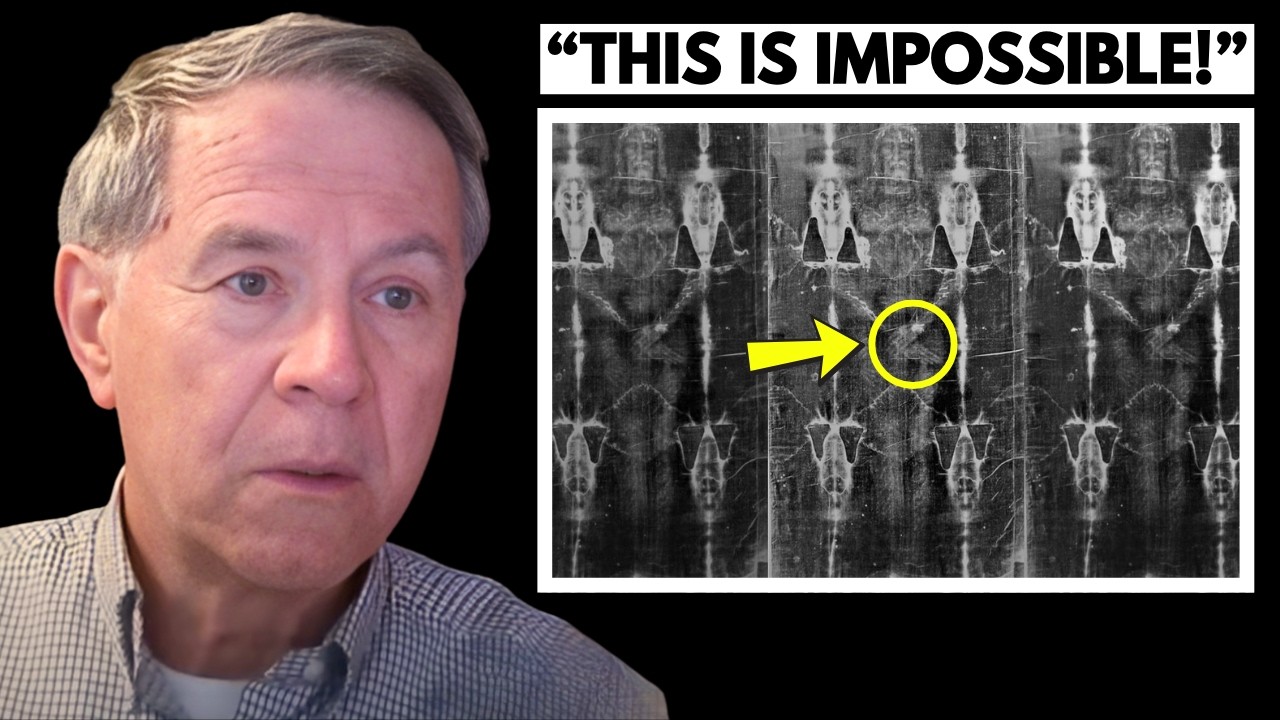
Using modern imaging technology, researchers have discovered that the Shroud contains a three-dimensional pattern that corresponds perfectly with the shape of a human body.
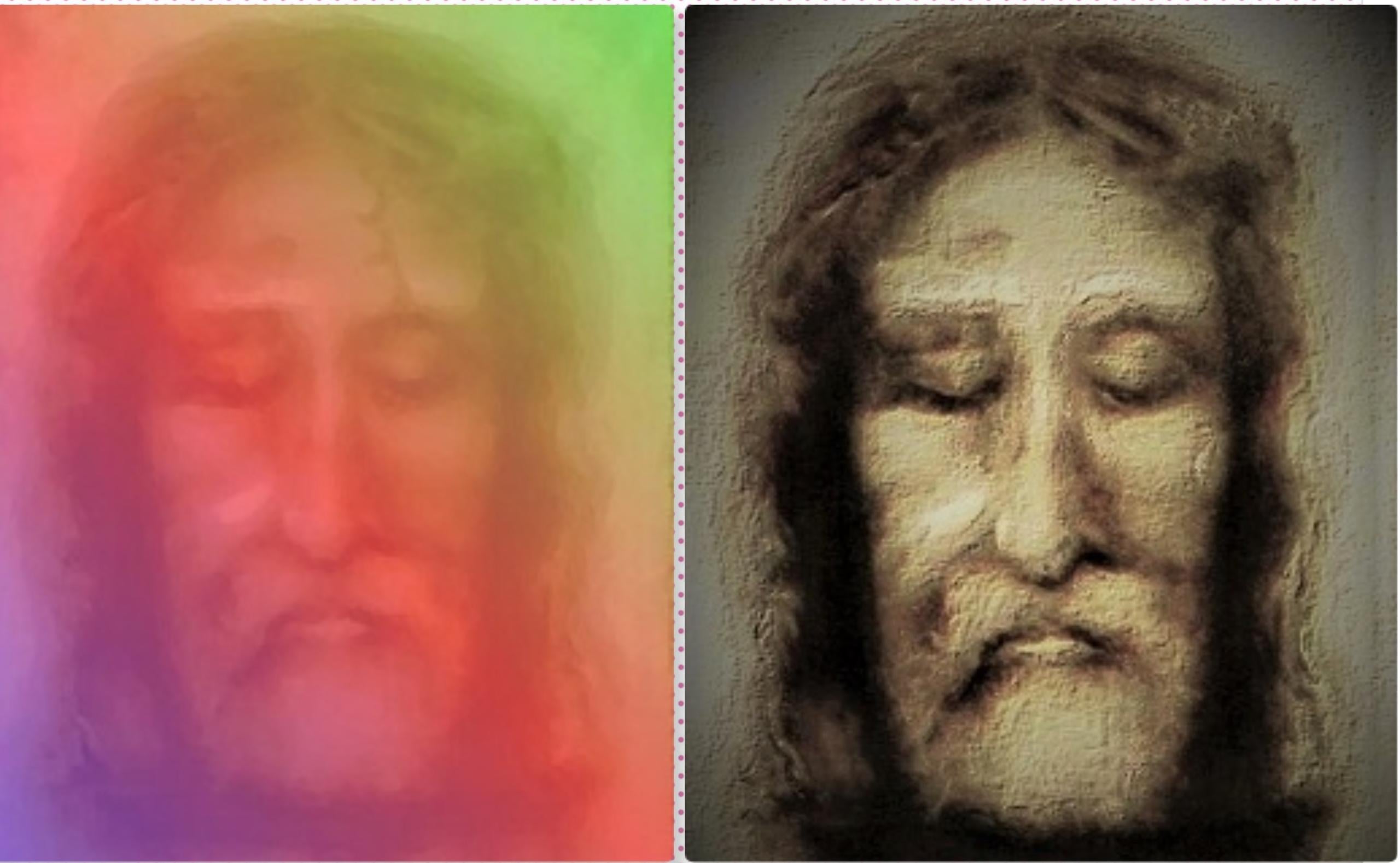
The image appears as a negative when viewed through a pH๏τographic camera, but when reversed, it displays incredible detail, revealing the shape of the body, the wounds, and even the intricate facial features.
This is particularly astounding because medieval artists did not have the knowledge or technology to create such a precise, three-dimensional image.
Rucker’s analysis suggests that the only way to create such an image would require a type of radiation that modern scientists can barely comprehend, let alone replicate with the technology available in the Middle Ages.
Bloodstains and Forensic Evidence
The Shroud also contains bloodstains that match the exact wounds described in the Gospels.
Rucker’s analysis of the blood stains reveals that they are not only consistent with the wounds Jesus would have suffered during his crucifixion, but they also provide remarkable forensic details.
The blood appears to have separated into red blood cells and clear serum, which would naturally occur under the conditions of death by crucifixion.
Every mark, every characteristic on the cloth corresponds to the events described in the New Testament, especially the suffering Jesus endured.
But how could the artists of the Middle Ages have known these details, especially when the scientific understanding of blood and forensics was centuries away from being discovered? Rucker’s conclusion is that the Shroud cannot be explained by conventional medieval technology or artistry.
The evidence points toward something much more extraordinary, something that science is only beginning to grasp.
The Puzzle of Carbon Dating
Rucker also challenges the results of the 1988 carbon dating.
While the dating placed the Shroud’s origins between 1260 and 1390 AD, Rucker’s findings suggest that the method used in the dating process was flawed.
He points out that the piece of cloth closest to the edge had the oldest date, while the sections further in had progressively newer dates.
This unusual pattern raises questions about the accuracy of the carbon dating and suggests that contamination may have skewed the results.
The inconsistency in the data only deepens the mystery, suggesting that there’s more to the Shroud than meets the eye.
A Supernatural Burst of Light?
One of the most profound elements of Rucker’s work involves his analysis of how the Shroud’s image was formed.
He believes that the image was created by a burst of energy—perhaps a form of radiation—that was emitted from the body.
This energy was so powerful that it left a detailed imprint on the cloth, creating the perfect negative image seen today.
The process that created this image is so far beyond the capabilities of any medieval artist that it suggests a supernatural event may have occurred.
Rucker’s study aligns with the idea that the image was formed by an intense, localized burst of radiation at the time of Jesus’s resurrection.
This burst would have been powerful enough to create the image on the cloth while leaving behind no visible signs of the energy source itself.
The nature of the energy, the precision of the imprint, and the forensic details all point to a miraculous event beyond what science can currently explain.
A New Understanding of the Shroud
Rucker’s groundbreaking research has forced scientists to reconsider everything they thought they knew about the Shroud of Turin.
The evidence points toward a far more mysterious and powerful origin than anyone could have imagined.
Could the Shroud be the actual burial cloth of Jesus Christ? And if so, what does that mean for our understanding of the resurrection? The more we learn about the Shroud, the more questions arise.
But one thing is certain: this ancient relic is far more than just a piece of cloth.
In the coming years, as more research is conducted and more evidence is uncovered, we may finally begin to understand the true origin of the Shroud of Turin and the extraordinary events it encapsulates.
For now, Robert Rucker’s work stands as one of the most significant contributions to the study of this mysterious relic, and it may just be the key to unlocking some of Christianity’s greatest secrets.


