Federal Raids and Classified Documents: Inside the Expanding Investigation Led by Jack Smith
Shortly after 6 a.m., federal law enforcement teams launched a coordinated series of search operations at three locations connected to a former high-ranking government official. According to court-authorized filings, the searches were not routine. They were approved after investigators presented evidence to a federal magistrate establishing probable cause that classified national defense information was being unlawfully retained.
When federal agents execute search warrants in national security cases, the threshold is high. Magistrates do not authorize sweeping searches based on rumor or political pressure. Investigators must present documented facts, sworn testimony, and evidence suggesting violations of federal law. In this case, multiple divisions within the Department of Justice — including units specializing in national security — were reportedly involved.
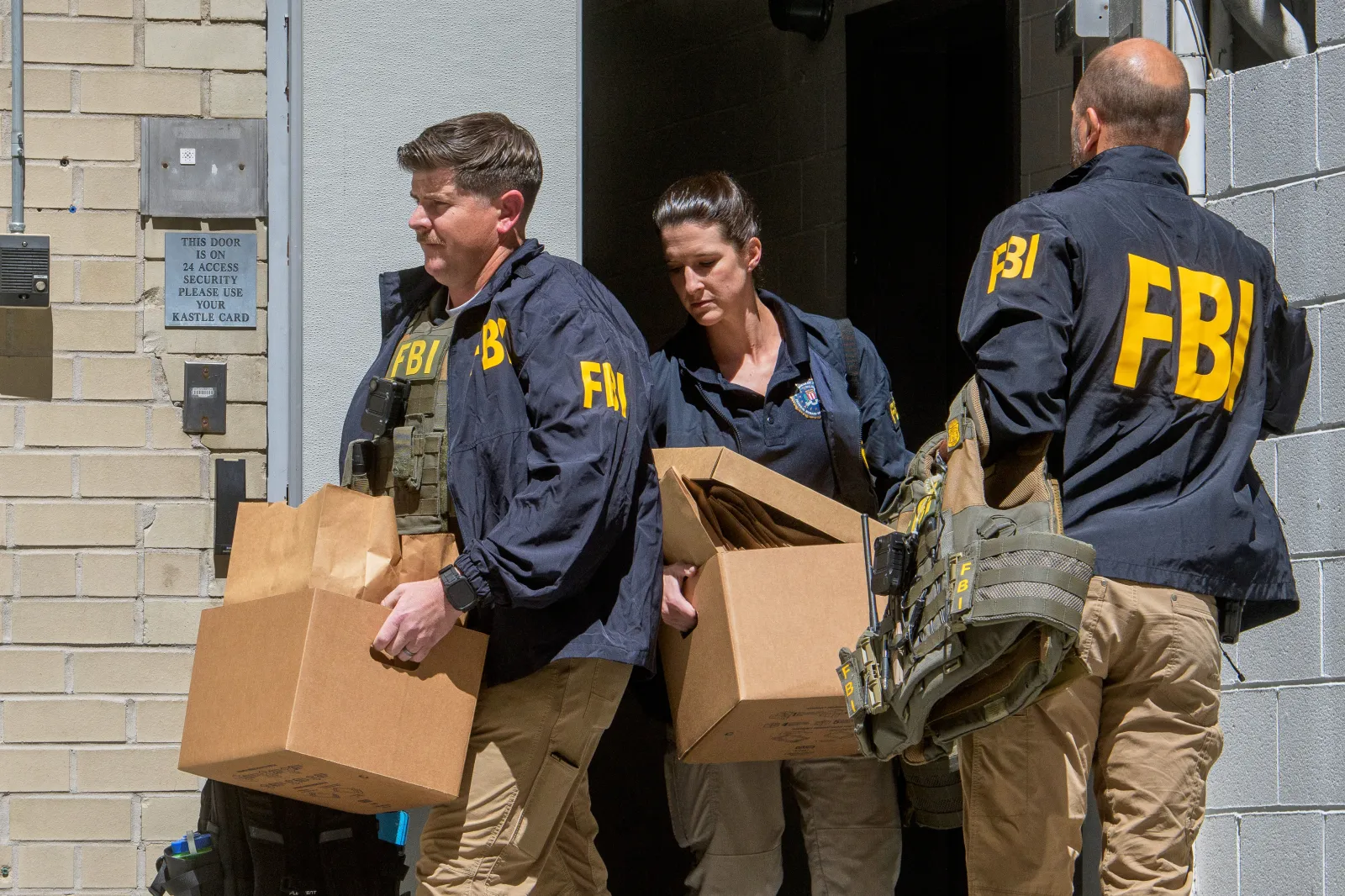
The first search took place at a private estate in Palm Beach. Agents arrived early in the morning and remained on site for hours. According to publicly described inventory summaries, they removed dozens of containers holding documents, including folders marked “Top Secret.” That classification level is reserved for information that, if disclosed without authorization, could cause exceptionally grave damage to U.S. national security.
Authorities also reportedly seized electronic storage devices for forensic analysis.
A second search occurred at a previously undisclosed storage facility in Northern Virginia. Investigators were allegedly led to this site through information provided by a cooperating witness. At that location, agents recovered additional containers containing materials marked as “Sensitive Compartmented Information” (SCI) — a designation requiring handling within specially secured facilities.
Such materials cannot legally be stored in private offices or commercial storage units.
The third location searched was a private office space in New York. There, investigators reportedly found further classified documents, some allegedly tied to foreign intelligence operations. According to filings, certain materials referenced intelligence sources — information that, if improperly disclosed, could place individuals at risk.
A central issue in the case is whether the documents had been declassified. Federal investigators have indicated that no formal documentation supporting declassification has been identified.
Under established procedures, declassification typically requires written records and adherence to formal protocols. Even if materials were declassified, presidential records remain government property under the Presidential Records Act and must be transferred to the National Archives.
The legal framework underpinning the investigation includes тιтle 18, U.S. Code §793 — a provision of the Espionage Act — which criminalizes the willful retention of national defense information. To secure a conviction under this statute, prosecutors must establish three key elements: that the information qualifies as national defense material, that the defendant possessed it without authorization, and that the retention was willful — meaning intentional and knowing.
The timeline outlined in court documents is critical. The National Archives reportedly requested the return of classified materials in January of the previous year. In February, several containers were returned, but they allegedly contained classified markings, triggering a deeper inquiry. Subsequent requests were made to confirm that all remaining materials had been surrendered.
A grand jury later issued a subpoena demanding any outstanding documents. In response, additional materials were returned along with a sworn certification stating that all classified records had been provided.
However, investigators claim they had evidence — including witness statements and security footage — suggesting documents were moved and not fully surrendered.
If proven, that sequence could support not only charges related to retention of national defense information but also obstruction of justice. Obstruction statutes apply when an individual allegedly takes steps to conceal evidence, provide false statements, or interfere with a lawful investigation.
Convictions under obstruction laws can carry significant prison terms.
Each count under the Espionage Act can carry up to 10 years in federal prison. Obstruction of justice can carry up to 20 years. False statements to federal investigators can add further exposure.
While sentencing outcomes depend on numerous factors, including the number of counts and the federal sentencing guidelines, the theoretical penalties are substantial.
Supporters of the individual under investigation argue that the searches were politically motivated. However, search warrants require layers of approval — including authorization from the Attorney General and review by a federal magistrate.
Critics counter that comparisons to other cases involving mishandled classified materials are misplaced, noting that federal law distinguishes between negligent handling and alleged willful retention combined with obstruction.
Special Counsel Jack Smith, appointed to oversee aspects of the investigation, has emphasized that decisions will be guided by evidence and the rule of law. The next phase of the process involves detailed forensic review of seized materials, witness interviews, and presentation of evidence to a grand jury. If the grand jury determines sufficient grounds exist, it may return an indictment.
Should that occur, the accused would be arraigned in federal court, formally informed of the charges, and enter a plea. The case would then proceed through pretrial motions, potential evidentiary hearings, and — if not resolved through dismissal or plea agreement — trial before a jury.
Beyond the legal mechanics, the case raises broader questions about accountability and the handling of classified information.
The U.S. classification system exists to safeguard intelligence sources, military operations, and diplomatic strategies. Mishandling such materials can jeopardize lives and national security.
Whether charges are ultimately filed — and whether they result in conviction — will depend on the evidence presented in court.
The grand jury process is secret by design, and prosecutors must meet rigorous standards to proceed.
For now, what is clear is that this is not a routine records dispute.
It is a high-stakes legal battle centered on the intersection of national security, executive authority, and federal criminal law.
As court filings emerge and the process unfolds, the outcome could set significant precedents about how classified information is handled at the highest levels of government.


