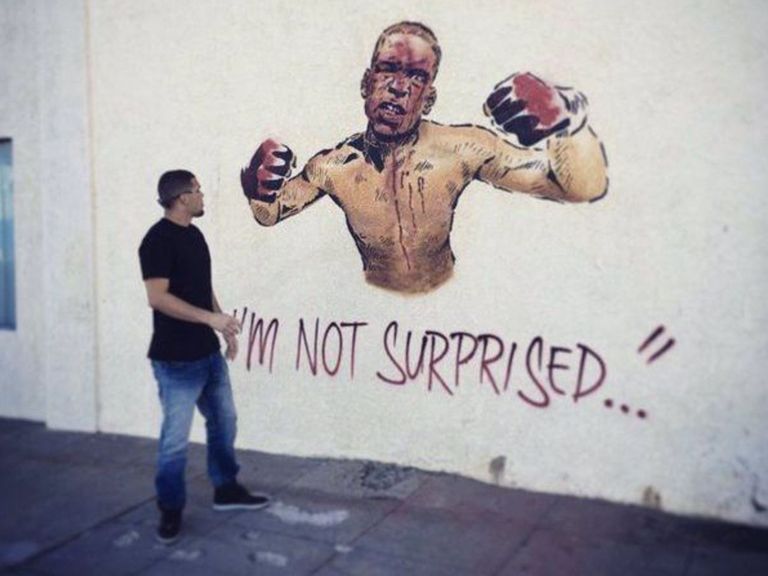
For years, Nate Diaz embodied everything raw, rebellious, and real about mixed martial arts. He was the anтιтhesis of corporate polish—the fighter who made pain look poetic, who flipped the bird with blood streaming down his face, who became a cultural icon by choking out Conor McGregor on 11 days’ notice and declaring to the world, “I’m not surprised, motherf—ers.”
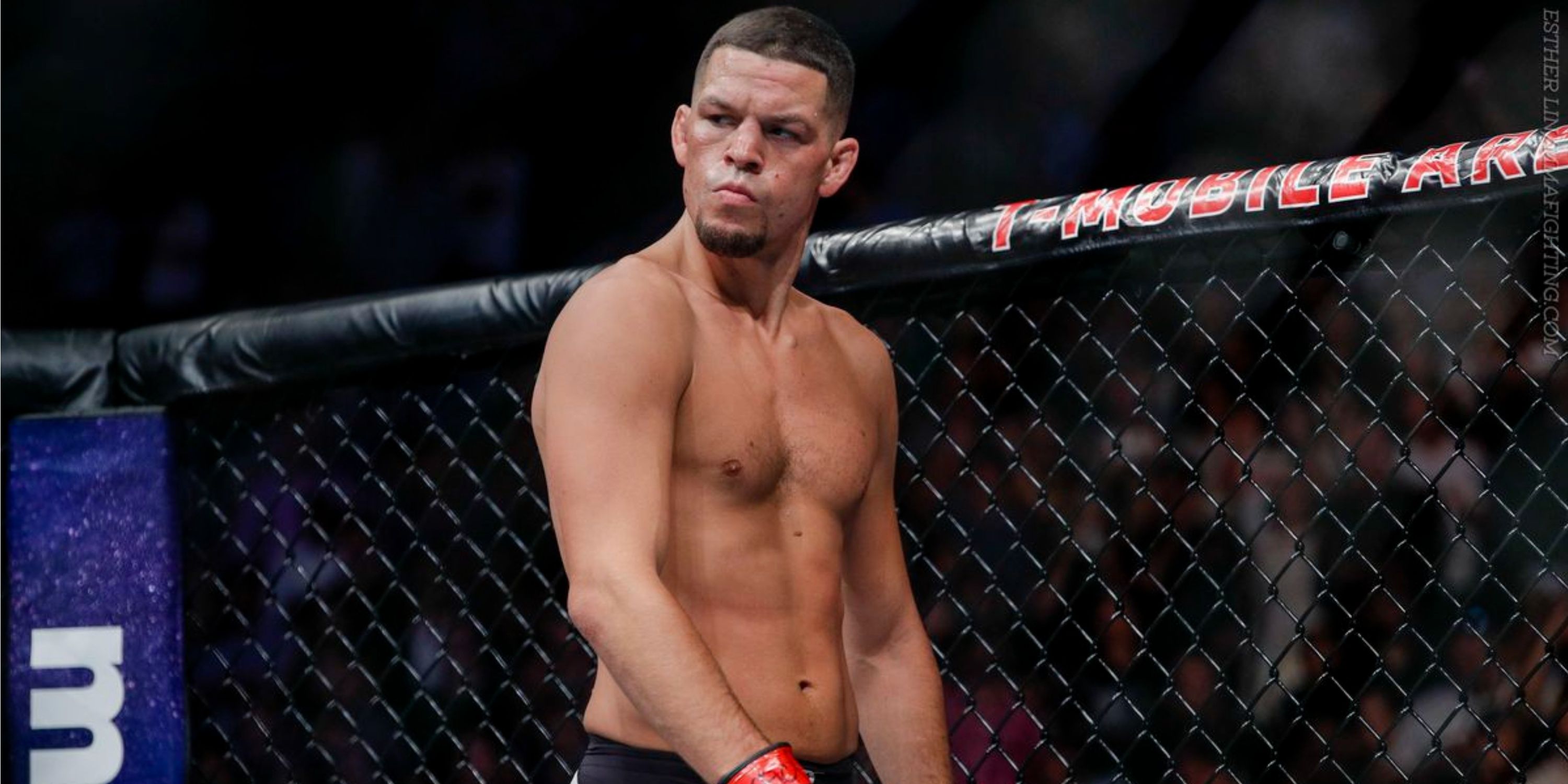
But in 2025, the roar around Nate Diaz has dimmed to an almost eerie silence. The man who built his legend on grit, defiance, and authenticity now stands on the fringes of the sport he once helped electrify. No fights. No announcements. No presence.
Fans are asking the question no one expected to ask about one of MMA’s most beloved antiheroes: What happened to Nate Diaz—and is there still time for one last stand?
Nate Diaz wasn’t sculpted by trainers in pristine gyms. He was forged in the cracked streets of Stockton, California—a place where survival meant toughness, loyalty, and fists. Born on April 16, 1985, into a working-class Mexican-American family, Nate grew up idolizing his older brother Nick, who fought his way through early MMA as a symbol of raw, street-born resilience.
The Diaz household wasn’t built on comfort. It was built on survival. Hand-me-down clothes, long days, neighborhood violence, and a silent understanding that no one was coming to save you.
By 18, Nate was rolling with killers—black belts twice his size, triathletes, and future champions. Pain wasn’t a setback; it was a requirement. The Diaz brothers didn’t train for glory—they trained because it was their way out.
The Ultimate Fighter: A Star Emerges Unexpectedly
When Nate walked into The Ultimate Fighter Season 5 house in 2007, he was widely dismissed as “Nick’s little brother.” But he broke the mold with suffocating pressure, endless cardio, and submissions that came out of nowhere.
What made him unforgettable wasn’t just the wins—it was the atтιтude.
Nate didn’t beg for respect. He demanded it.
He smoked backstage, cursed into microphones, and fought like every round was life or death.
This wasn’t UFC polish. This was Stockton survival.
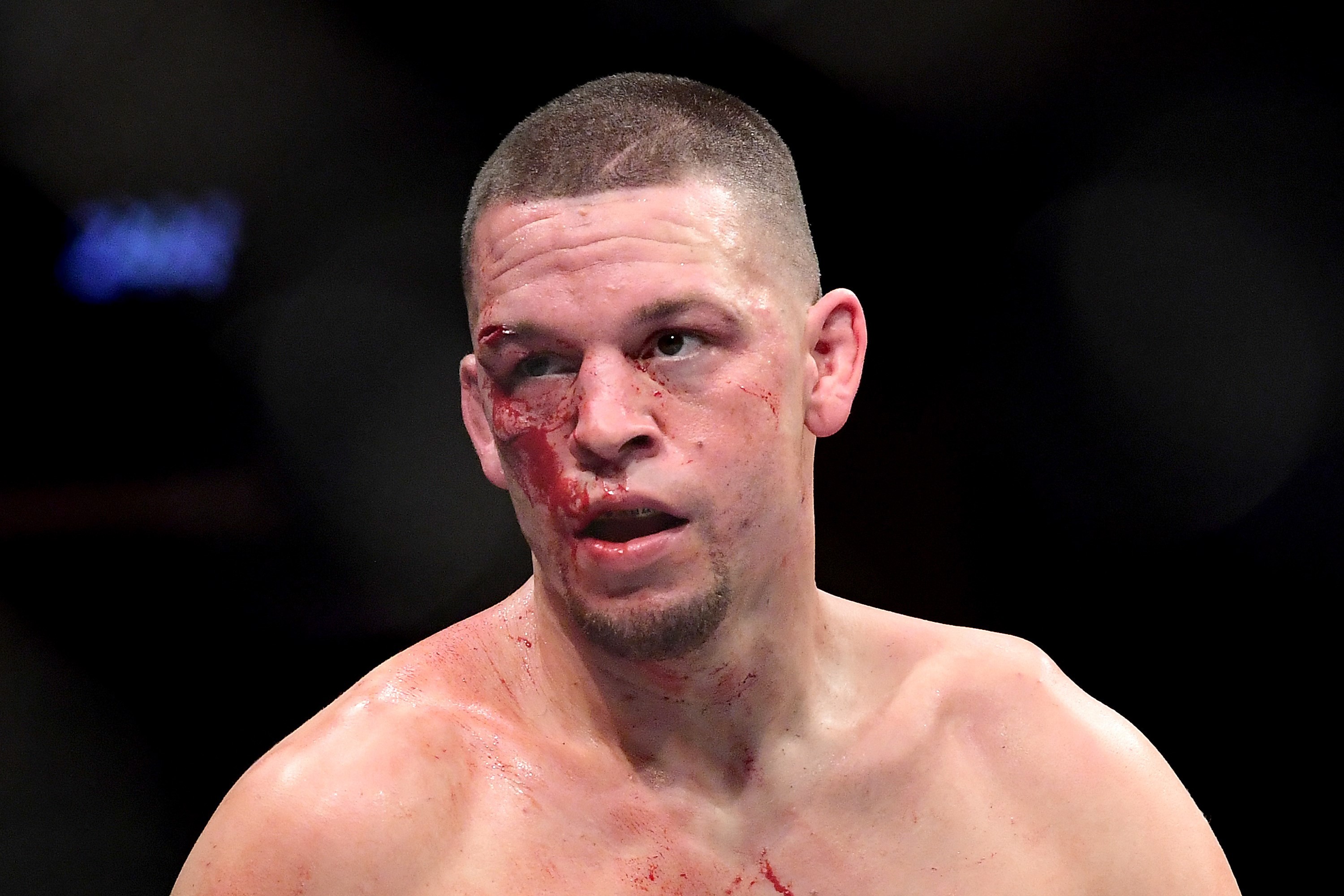
Nate Diaz didn’t avoid damage—he embraced it. He walked forward through blood, smiled at punches, and raised both middle fingers as a dare. Fans who grew up fighting their own battles saw themselves in him. He was a living metaphor for the underdog who refuses to go away.
But as the UFC shifted toward branding, corporate marketing, and curated personalities, Diaz never changed. And that rebellion turned him into something rare:
a fighter who was never meant to fit the system—and became an icon because of it.
On March 5, 2016, Nate stepped in on 11 days’ notice to fight Conor McGregor—the UFC’s golden product, its prized megastar. Nate wasn’t supposed to win. He wasn’t supposed to survive.
Instead, he made McGregor tap.
And with one sentence, he shifted MMA history:
“I’m not surprised, motherf—ers.”
The rematch loss didn’t matter. Diaz became a global figure. He sold pay-per-views without a belt. He became one of the sport’s biggest draws by being the anti-star.

A Career of Wars—and a Body That Paid the Price
Nate Diaz fought killers: Jim Miller, Gray Maynard, Donald Cerrone, Michael Johnson, Jorge Masvidal—and he did it without shortcuts or careful matchmaking. He fought everyone, anytime.
But wars come with consequences.
Diaz aged in real time. He took cuts that never fully healed, absorbed damage most fighters would crumble under, and clashed repeatedly with the UFC over respect and pay. He walked away more than once—not out of fear, but principle.
Still, the shadow of time was creeping up behind him.
In September 2022, Diaz submitted Tony Ferguson in what became his final UFC appearance. He walked away victorious—one of the rare legends to do so.
But instead of riding off with momentum, Nate vanished.
He refused to re-sign.
He didn’t retire.
He didn’t announce a plan.
He simply left.
For a fighter defined by volume—of punches, words, and presence—silence became his loudest statement.
The Boxing Detour: A Costly Return
August 2023 saw Diaz step into a boxing ring against YouTuber-turned-fighter Jake Paul. The fight was marketed heavily, but it wasn’t Nate’s world—and it showed. He looked slower, stiffer. The gas tank that once drowned opponents sputtered.
Then came 2024, a boxing rematch of sorts: Diaz vs. Masvidal. Nate won a majority decision, threw over 700 punches, and flashed glimpses of the old Stockton fire.
But fans saw something else: He wasn’t fighting contenders. He was fighting ghosts.
The win over Masvidal should have been triumphant. Instead, Diaz found himself tangled in a legal war with Fanmio, the promotion behind the fight. Diaz claimed he was owed $10 million—most of which he never received.
The lawsuit revealed chaos behind the scenes: disorganized travel, staggered payments, lack of support, broken promises.
For a fighter whose entire ethos was loyalty and respect, this was betrayal at the deepest level.
And then—the silence truly began.
A Vanishing Legend: The MMA World Moves On
Fighters fade in different ways. Some transition into coaching. Others stay in the public eye, ride podcasts, or build brands.
Nate did none of it.
He went quiet.
No gym openings.
No media.
No mentoring.
No appearances.
Younger fans barely knew him. His fights disappeared from UFC broadcasts. His name slipped from conversations as the sport began spotlighting influencers, polished prospects, and corporate-friendly stars.
MMA didn’t push Nate out.
It simply stopped waiting for him.
By 2025, rumors about Nate’s health began circulating. Sightings showed him limping, moving gingerly, visibly uncomfortable. Insiders whispered about knee problems, concussion symptoms, and cardio issues.
The warrior who once strutted into arenas bleeding and laughing now moved like a man trying not to break.
And, in typical Diaz fashion, he didn’t ask for sympathy. He just disappeared deeper into the shadows.
A Legend in Limbo: The Uncertain Road Ahead
In early 2025, a spark of hope surfaced. Nate hinted at a comeback—maybe for the BMF тιтle, maybe a trilogy with McGregor, maybe a mᴀssive boxing showdown.
But every idea came with conditions:
the right opponent
the right money
the right spotlight
Behind the bravado was something Diaz had never shown before: hesitation.
Time was catching up. And he knew it.
Today, Nate Diaz stands in a rare place—a living legend paused between eras. Not retired, not active. Not forgotten, but fading.
A warrior with no war.
A symbol without a stage.
A voice that once shook the UFC now echoing in silence.
The tragedy isn’t that Nate Diaz lost fights.
It’s that he lost his place in the world he helped build.
He gave the sport violence, heart, rebellion, authenticity—and in return, MMA moved on without him. The cheers that once fueled him have quieted. The spotlight has shifted. The world has changed.
And for the first time in his life, Nate Diaz looks unsure of who he is without the fight.
A Stockton soldier standing at the edge of an uncertain future—still loved, still feared, but trapped between the legend he was and the silence he lives in now.