😱 Bill Mazeroski ᴅᴇᴀᴅ at 89 | Remembering the 1960 world series walk-off hero 😱
Bill Mazeroski, the iconic Hall of Fame second baseman whose name is forever etched in the annals of baseball history, has pᴀssed away at the age of 89.
The Pittsburgh Pirates announced his death on Friday, but no cause was given.
Mazeroski, affectionately known as “Maz,” was celebrated for his incredible contributions to baseball, most notably for his unforgettable moment on October 13, 1960.
That day, at 3:36 p.m., a moment frozen in time unfolded at Forbes Field in Pittsburgh.
With the Pirates facing the New York Yankees in Game 7 of the World Series, the score was tied 9-9 in the bottom of the ninth inning.

As Mazeroski rounded the bases, waving his cap and grinning from ear to ear, the entire city erupted in celebration.
This historic event marked the first walk-off home run in World Series history, solidifying Bill Mazeroski’s status as a legend forever.
The Pirates owner, Bob Nutting, expressed the city’s sentiments when he stated, “Maz was one of a kind, a true Pirates legend. His name will always be tied to the biggest home run in baseball history and the 1960 World Series Championship. But I will remember him most for the person he was: humble, gracious, and proud to be a Pirate.”
Humble, gracious, and proud—these three words perfectly encapsulate the essence of Bill Mazeroski.
Unlike many players who sought the spotlight, Mazeroski was never flashy or boastful.
He played the game with a quiet confidence, but when his moment came, he delivered in the most spectacular fashion imaginable.

Mazeroski wasn’t your typical Hall of Famer.
His lifetime batting average was just .260, with only 138 home runs and 27 stolen bases over his 17-season career.
He never batted .300, never approached 100 RBIs or runs scored, and only once finished in the top 10 for Most Valuable Player voting.
So, why was he inducted into the Hall of Fame?
Because baseball is not just about hitting; it’s also about defense.
Bill Mazeroski was the greatest defensive second baseman who ever lived.

Elected to the Hall of Fame by the Veterans Committee in 2001, his plaque does not celebrate home runs or batting тιтles.
Instead, it praises him as a defensive wizard with hard-nosed hustle and a quiet work ethic.
A ten-time All-Star, Maz turned a major league record 176 double plays, earning the nickname “No Hands” for his incredible speed in fielding grounders and relaying them to first base.
Baseball statistician Bill James, a respected analyst in the game, called Mazeroski “the greatest offensive player at his position. By far, not just good, not just great, the best ever.”
During his Hall of Fame induction speech, Mazeroski emphasized the importance of defense in baseball, stating, “I think defense belongs in the Hall of Fame. Defense deserves as much credit as pitching, and I’m proud to be going in as a defensive player.”
Mazeroski never apologized for who he was; he embraced his idenтιтy as a defensive player with pride.

But let’s talk about that legendary home run because, while he was a defensive genius, his signature moment occurred at the plate, and it’s a story worth reliving.
In 1960, the Pittsburgh Pirates had not reached the World Series since 1927 when they were swept by the New York Yankees.
Thirty-three years later, they faced the same Yankees again, who boasted stars like Mickey Mantle and Roger Maris, while the Pirates had a young Roberto Clemente and a roster of solid but unspectacular players.
Mazeroski, who turned 24 that September, batted eighth and hit .273 for the season.
The series itself was bizarre—the Yankees outscored the Pirates 55 to 27.
They won their three games by such lopsided scores that it seemed impossible for Pittsburgh to compete.

Whitey Ford shut out the Pirates twice, and Bobby Richardson drove in a record 12 runs, being named series MVP despite being on the losing team.
However, the Pirates won the games that mattered, and Game 7 came down to one final, unforgettable moment.
With the score tied 9-9 in the bottom of the ninth inning, 36,000 fans packed Forbes Field, while millions listened on the radio or watched on television.
Ralph Terry, the Yankees pitcher, faced Bill Mazeroski to start the inning.
The first pitch was a fastball high, ball one.
Terry conferred with catcher Johnny Blanchard, who reminded him to keep his pitches down.
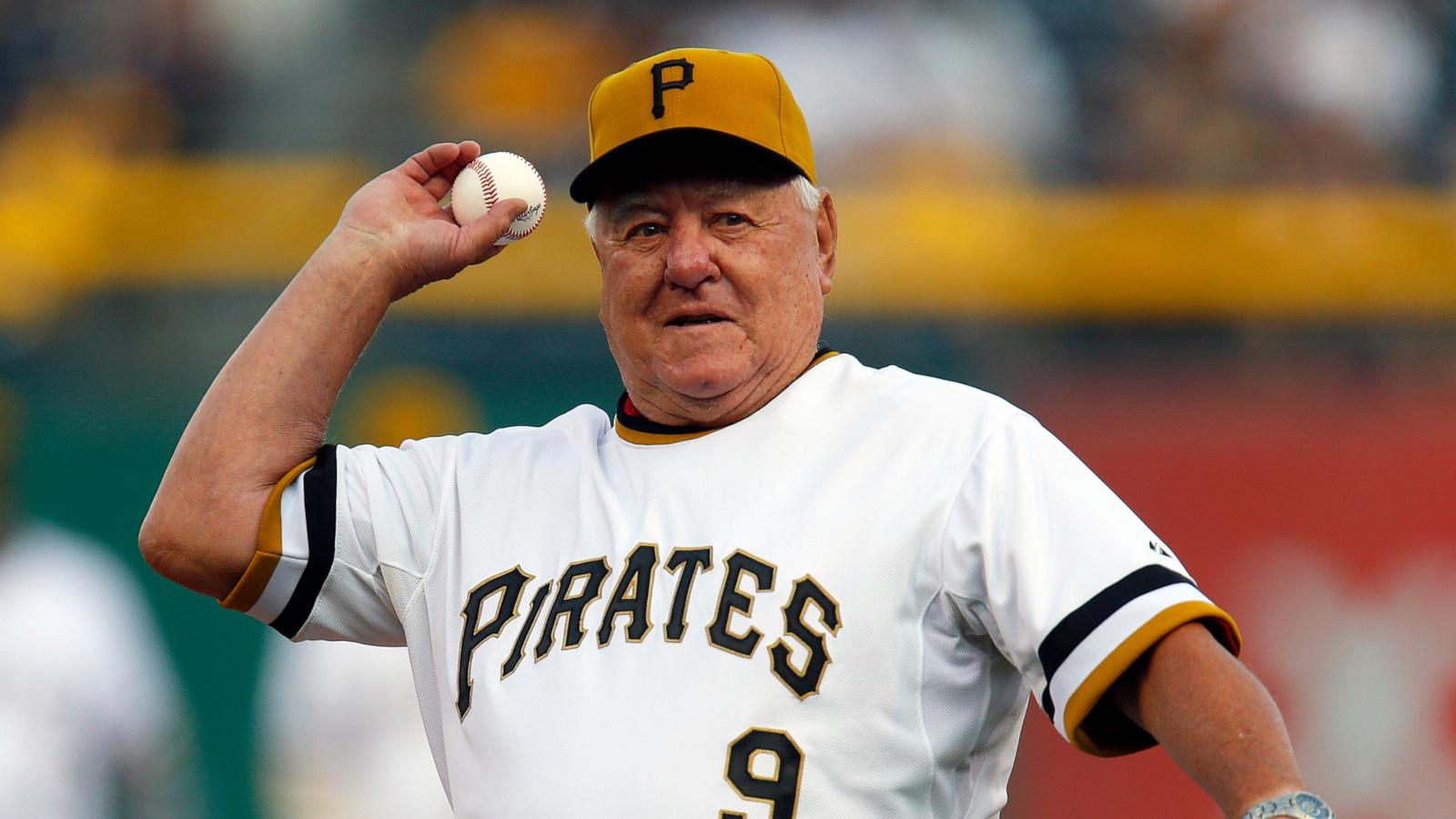
The second pitch was what Mazeroski later described as a slider that didn’t slide.
Mazeroski got under it and absolutely crushed it to left field.
The ball soared, clearing the high ivy-covered brick wall as Yogi Berra circled helplessly beneath it.
Home run.
Game over.
World Series championship.
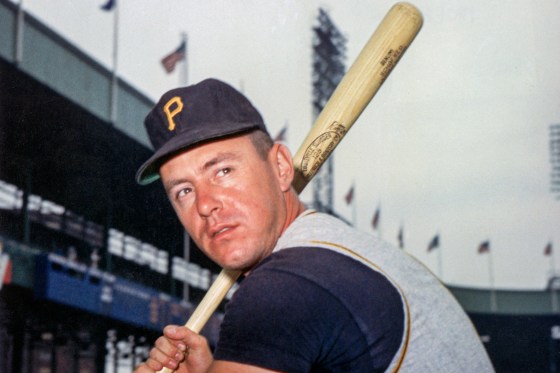
Mazeroski dashed around the bases, grinning and waving his cap, joined by fans who rushed onto the field.
The entire city of Pittsburgh erupted in joy.
It was the first time a World Series had ever ended on a home run.
“I was just looking to get on base,” Mazeroski told the New York Times years later.
“Nothing fancy, just looking for a fastball until he got a strike on me. I thought it would be off the wall. And I wanted to make third if the ball ricocheted away from Berra. But when I got around first and was digging for second, I saw the umpire waving circles above his head and I knew it was over.”
That moment, October 13, 1960, at 3:36 p.m., became sacred in Pittsburgh.
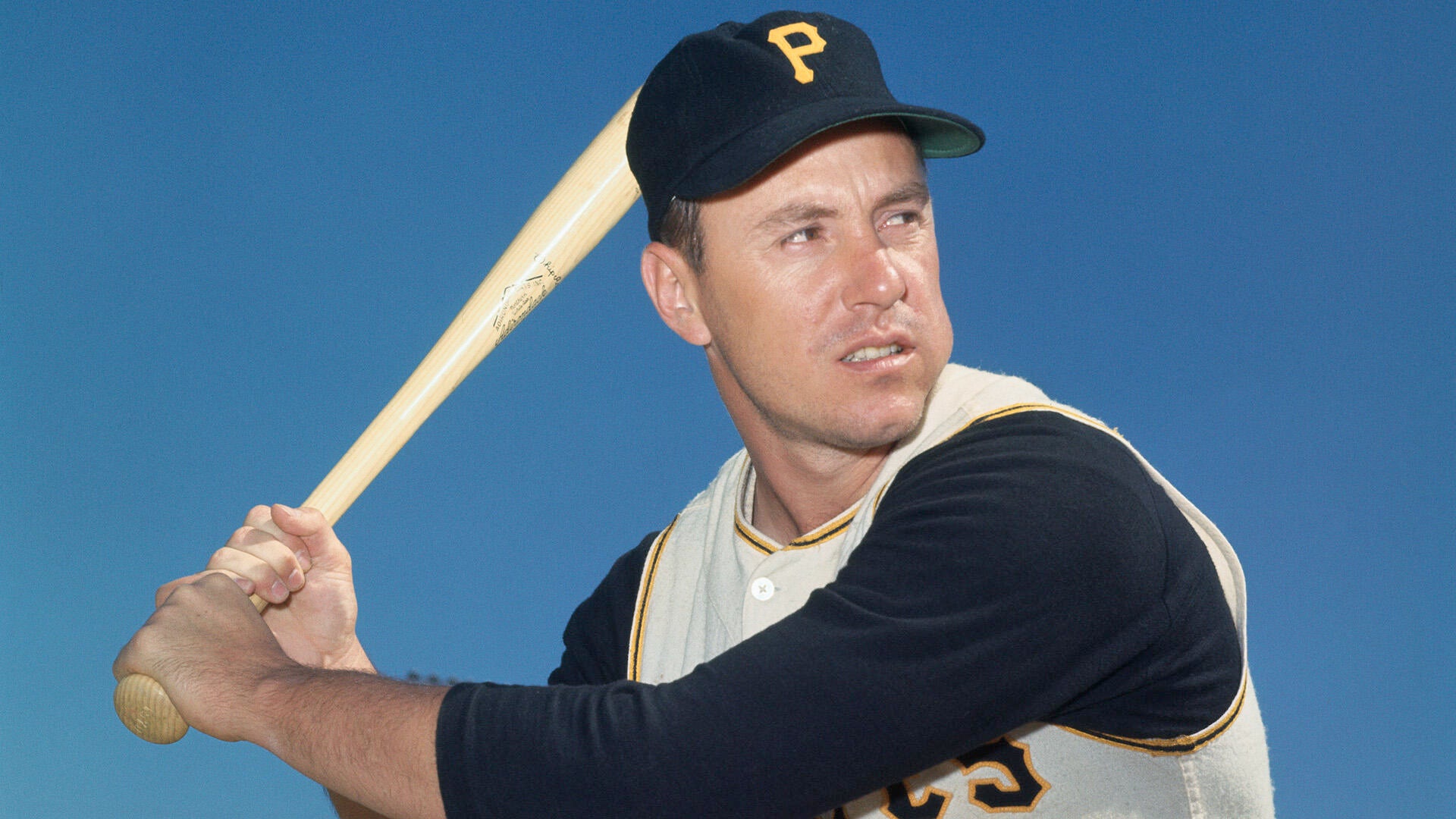
Even after Forbes Field was torn down in the 1970s, fans gathered every October 13th at the park’s lone remnant, the center field wall, to listen to the original broadcast and remember.
William Stanley Mazeroski was born in Wheeling, West Virginia, during the Great Depression.
He grew up in Eastern Ohio, living for a time in a one-room house without electricity or indoor plumbing.
His father, Lewis, had dreamed of being a ballplayer himself and encouraged his son’s love for sports, even practicing with him by throwing tennis balls against a brick wall for young Bill to field.
Drafted by the Pirates at age 17 in 1954, Mazeroski spent his entire 17-year career with the team.
He married Mileen Nicholson, a front office employee he met through manager Danny Murtaugh, in 1958.

They had two sons and remained together until her death in 2024.
Mazeroski was a team man through and through.
He coached briefly after his retirement in 1972 and served as an infield instructor during spring training.
In 1987, the Pirates retired his number nine.
In 2010, on the 50th anniversary of his legendary home run, Pittsburgh unveiled a 14-foot, 1,000-pound statue of Mazeroski rounding the bases on Bill Mazeroski Way.
Bill Mazeroski played the game the right way.

He worked hard, remained humble, and took pride in doing the little things that don’t always show up in a box score but make all the difference.
When his moment came, on the biggest stage in baseball, he delivered the most dramatic home run in World Series history.
Today, baseball has lost a legend.
Pittsburgh has lost an icon.
But the memory of Bill Mazeroski, defensive wizard, World Series hero, and humble champion, will live forever.
Rest in peace, Maz.
Thank you for showing us that greatness comes in many forms and that sometimes the quiet ones make the loudest noise.


