Clark Gable’s Secret Daughter: Judy Lewis and the Hidden Legacy of Old Hollywood
For 23 years, Judy Lewis did not know who her father was.
She was told she had been adopted. She was placed in an orphanage as an infant. She grew up sensing that something about her life did not quite fit—but no one would explain why. The truth, when it finally surfaced, would connect her to one of the most iconic names in film history: Clark Gable.
Judy was born Judith Young on November 6, 1935, to actress Loretta Young. At the time, Loretta was a rising Hollywood star with a carefully protected image built on purity and devout Catholic values. Months earlier, she had worked alongside Clark Gable on the film Call of the Wild. Gable was married.
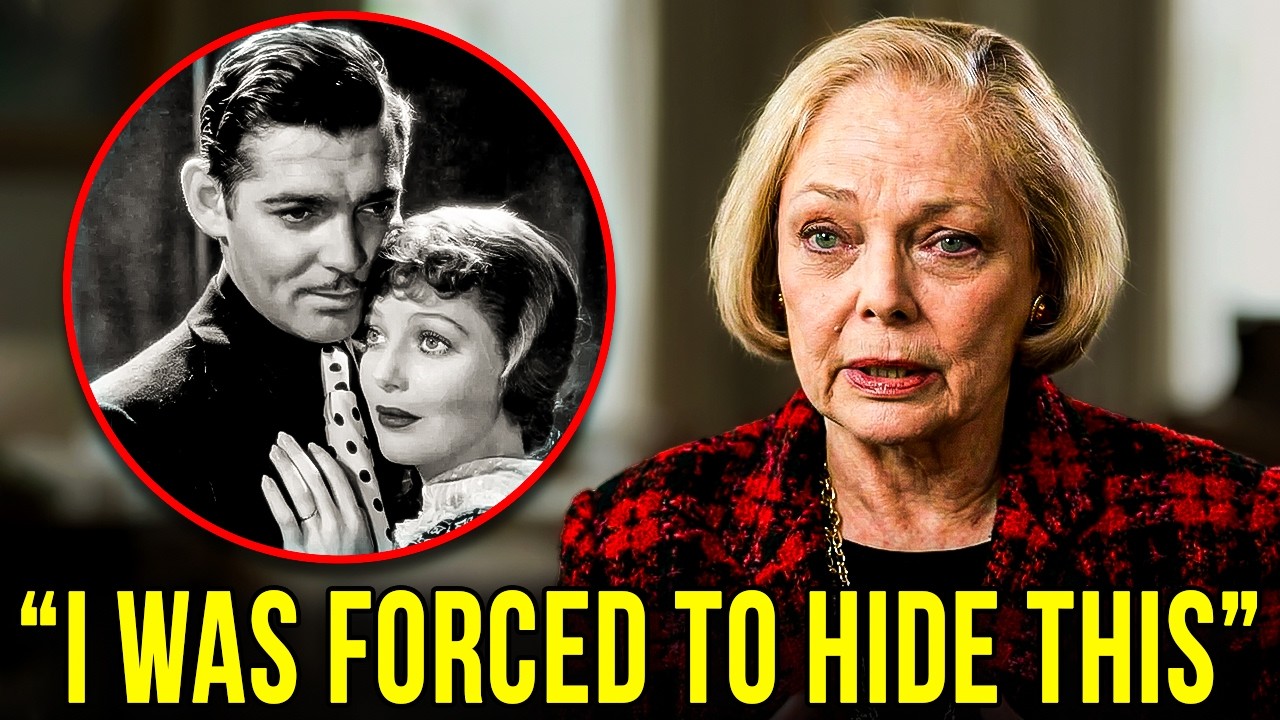
He was already a major star. What happened between them became one of the most controversial and debated stories of Hollywood’s Golden Age.
When Loretta discovered she was pregnant, panic set in. In 1930s Hollywood, an out-of-wedlock pregnancy could destroy a career—especially for an actress whose public idenтιтy was rooted in moral virtue. Abortion was not an option for Loretta due to her religious beliefs. Instead, she constructed an elaborate cover story.
She announced she was taking a European vacation to rest. In reality, she retreated into seclusion. Judy was born quietly in a Venice, California house, with only a doctor and close family present. For months, the baby remained hidden from the world.
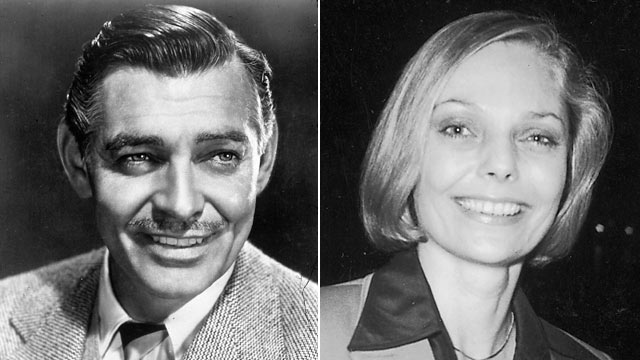
Clark Gable reportedly visited once.
He saw the child—noticed her distinctive ears, which mirrored his own—and left money to help provide for her. But he never publicly acknowledged her. Soon after, Loretta placed Judy in a Catholic orphanage, where she remained for more than a year. When Loretta later “adopted” her own biological child, the press praised her generosity.
The illusion was complete.
As Judy grew, so did Loretta’s fear that the truth might be revealed. The resemblance to Gable—especially Judy’s ears—was difficult to ignore. Family staff were instructed to keep bonnets tied under her chin in public. Even her age was slightly altered on records to prevent curious observers from calculating timelines.

At seven years old, after enduring playground teasing about her ears, Judy underwent painful cosmetic surgery to pin them back. She believed it was simply to stop the bullying. She did not realize it was also an attempt to erase visible evidence of her paternity.
The emotional cost of secrecy shaped her childhood. Judy sensed tension but did not understand its source. It wasn’t until she was 23, preparing to marry, that the truth began to crack through the façade.
Her fiancé casually mentioned what he believed everyone in Hollywood already knew—that Clark Gable was her father. The revelation left her stunned. For years, industry insiders, gossip columnists, and studio executives had whispered the truth while she remained in the dark.

She confronted her mother only years later, in 1966. Loretta finally admitted that Gable was her biological father. But the confession was not gentle. According to Judy, her mother referred to her as “my sin,” a reflection of the intense religious guilt Loretta carried throughout her life.
Judy also learned that she had met her father once, at age 15, without knowing who he truly was.
In 1950, while Loretta was working again with Gable on Key to the City, he visited their home. Judy remembered sitting beside him on a sofa as he asked about her school, her interests, and her life. Before leaving, he kissed her forehead in a gesture that felt tender but mysterious. At the time, she believed he was simply her mother’s charming co-star.

After learning the truth, that afternoon took on a new meaning. It had been the only time her father spoke to her as more than a stranger.
Clark Gable died in 1960, just two years after Judy first heard whispers of her true parentage. There would be no reconciliation, no public acknowledgment, no second chance.
Despite the emotional turmoil, Judy built a steady acting career. She appeared in television series such as General Hospital, Perry Mason, and 77 Sunset Strip, and became a central figure on the soap opera The Secret Storm from 1965 to 1972. Ironically, she found professional stability on a show whose very тιтle echoed her personal life.
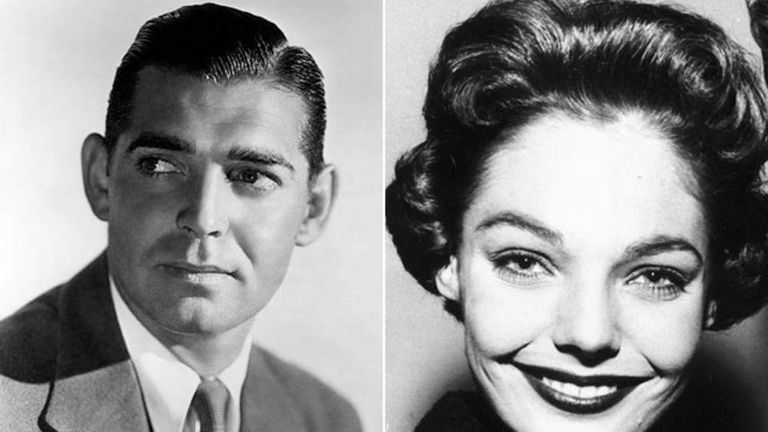
Behind the scenes, the secret remained largely unspoken. Loretta Young never publicly confirmed the truth during her lifetime. In later years, Loretta privately told family members that the conception had not been consensual, describing it as what she later understood to be date rape—a claim that surfaced publicly only after both women had pᴀssed away. The allegation remains debated by historians, with no definitive evidence beyond private accounts.
For Judy, the public controversy mattered less than the personal ache of growing up unclaimed.
In time, she became not only an actress but also a producer and author. Her memoir, Uncommon Knowledge, offered a deeply reflective account of idenтιтy, faith, and forgiveness. She sought not revenge, but understanding. While the secrecy wounded her, she eventually expressed compᴀssion for her mother’s fear and the rigid moral code of the era that shaped her decisions.
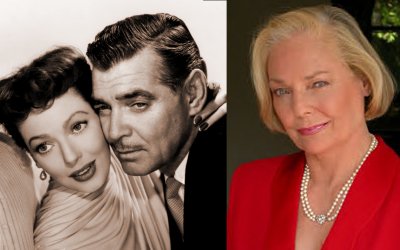
Old Hollywood was a machine built on image. Studios controlled narratives. Scandals were buried. Careers depended on illusion. Judy Lewis’s life became collateral damage in that system.
Yet her story is not solely about secrecy. It is about resilience. About building a career without the public advantage of a famous surname. About confronting painful truths and choosing reflection over bitterness.
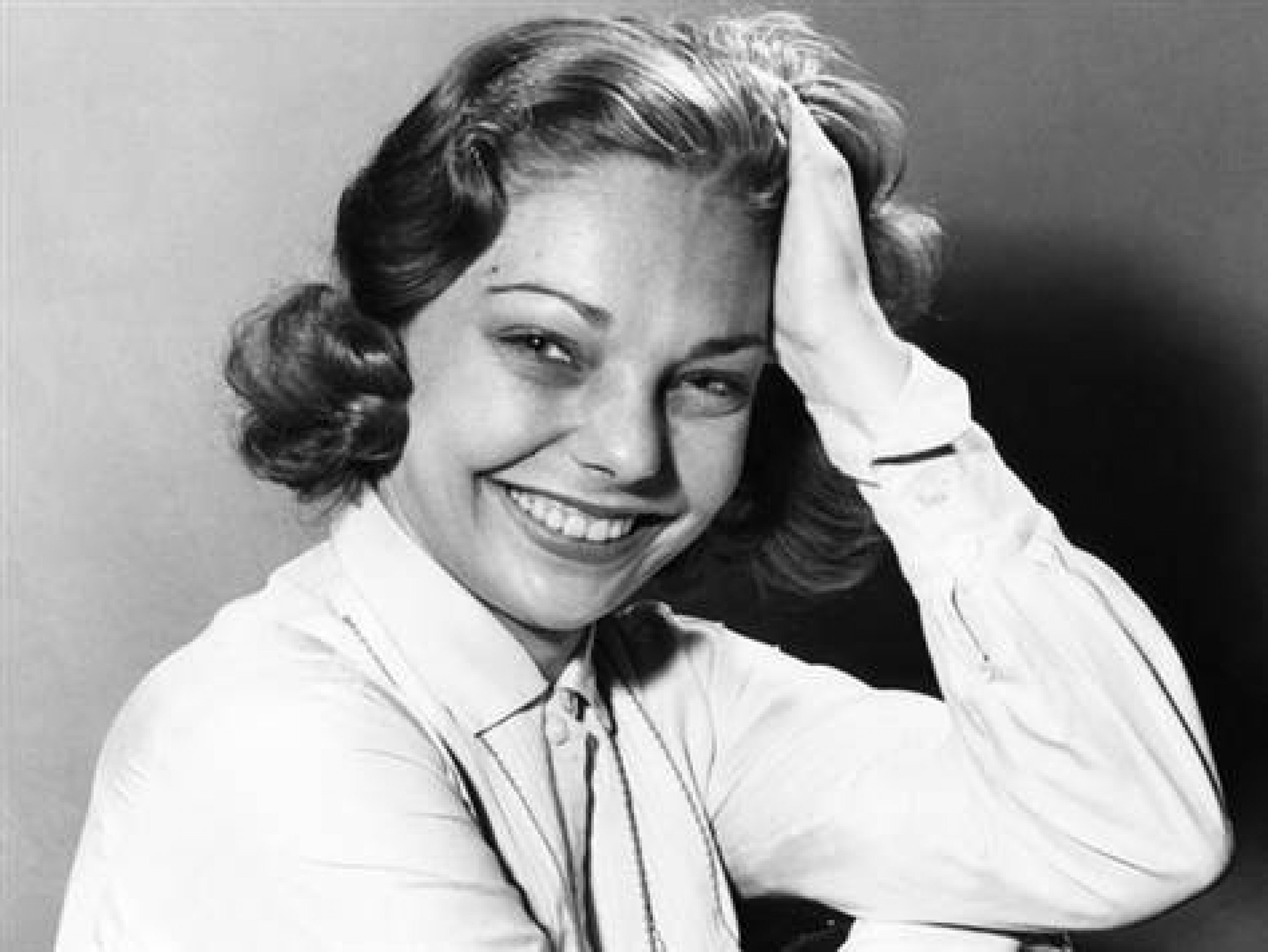
Clark Gable remains immortalized as the “King of Hollywood.”
Loretta Young is remembered as a luminous, devout star of her generation. But Judy Lewis’s story reveals the hidden human cost behind those polished legends.
In the end, she did not just inherit her father’s features.
She inherited the strength to tell the story.


