Royal Wills, Prince Andrew, and the Truth Behind the Palace “Panic” Claims
The British royal family has survived abdications, scandals, wars, and public upheaval. Yet recent online chatter suggests that Buckingham Palace is facing a new internal crisis—this time tied to Queen Elizabeth II’s final will and Prince Andrew’s reported access to it.
The story making the rounds is explosive: Prince Andrew allegedly read the late Queen’s sealed will, discovered shocking provisions, and now holds information powerful enough to rattle King Charles III and the insтιтution itself. But before accepting the drama at face value, it’s important to separate established fact from speculation.
Unlike ordinary citizens in the United Kingdom, whose wills typically become public after probate, the wills of senior royals have been sealed for over a century.

This practice dates back to 1910, when concerns about privacy led to the sealing of Prince Francis of Teck’s will. Since then, monarchs and close senior royals—including King George V, King George VI, the Queen Mother, Princess Margaret, and Queen Elizabeth II—have had their wills kept confidential by court order.
The official justification is to protect the dignity of the sovereign and avoid public speculation about private family finances. Critics argue the practice lacks transparency. Supporters say it shields the monarchy from unnecessary intrusion.
What is certain is this: the contents of Queen Elizabeth II’s will are not public, and no verified details have been released.
Prince Andrew, Duke of York, has endured one of the most dramatic reputational declines in modern royal history.
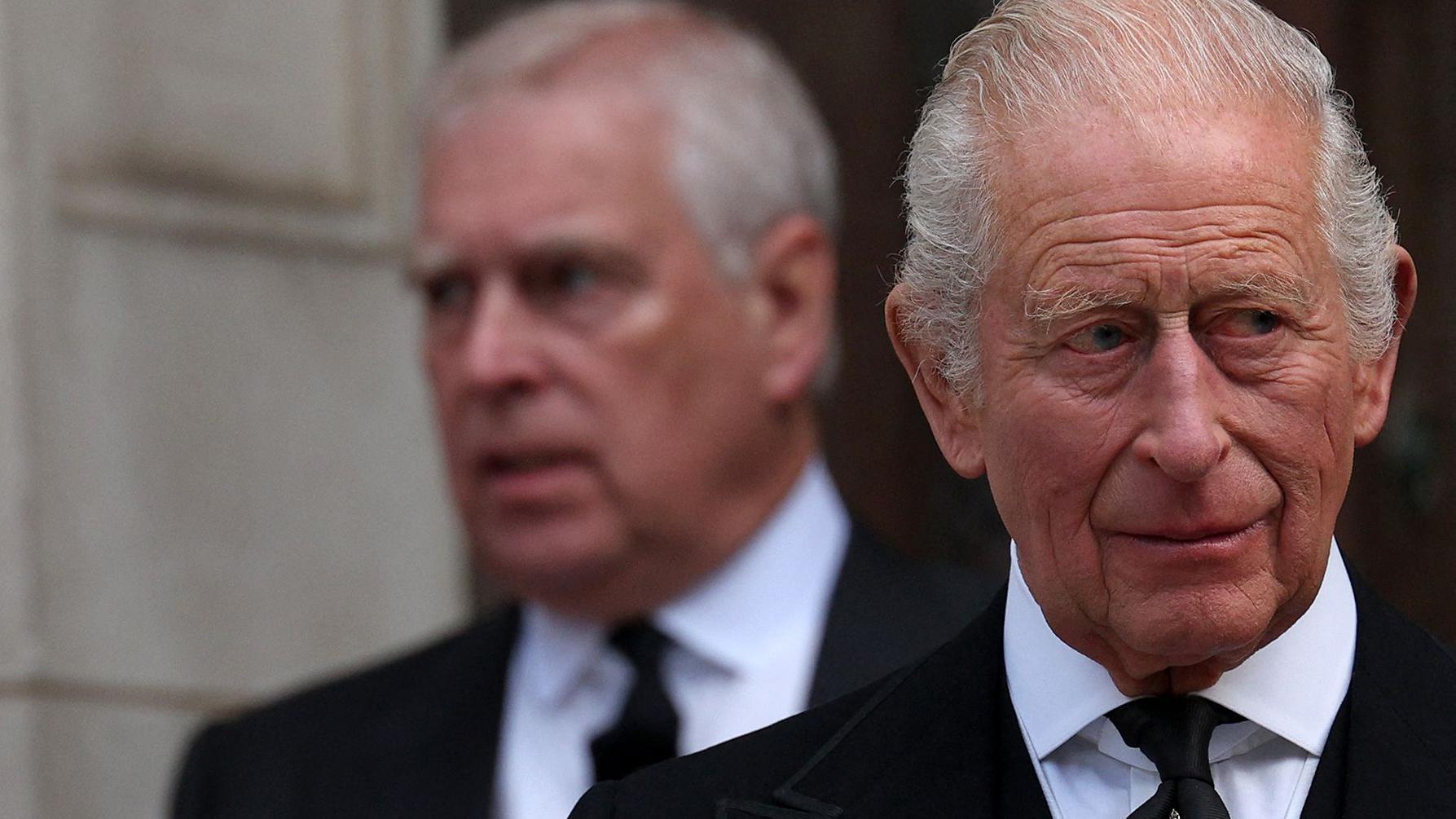
His ᴀssociation with convicted Sєx offender Jeffrey Epstein, a controversial BBC interview in 2019, and a civil lawsuit in the United States—which he settled without admission of wrongdoing—led to his removal from official royal duties. He also relinquished military тιтles and patronages.
Financially, his situation has drawn scrutiny. Maintaining Royal Lodge, his Windsor residence, reportedly costs hundreds of thousands of pounds annually. Following Queen Elizabeth II’s death, King Charles III has reportedly aimed to streamline royal finances and reduce public funding for non-working royals.
That context fuels speculation. If Prince Andrew did review aspects of his mother’s estate planning—as a close family member might—some suggest he could be aware of provisions affecting his housing, finances, or long-term security. However, there is no publicly confirmed evidence that he has used or threatened to use private information for leverage.

Traditionally, a monarch’s personal estate pᴀsses largely to the next sovereign. This transfer avoids certain inheritance taxes and ensures continuity of private royal ᴀssets. It is also common for personal bequests to be made—jewelry, financial gifts, or private letters intended for specific family members.
But claims that the Queen’s will contains explosive political instructions, consтιтutional restrictions, or secret directives contradict established consтιтutional practice. A monarch’s will cannot override parliamentary sovereignty or alter the line of succession. Nor can it legally bind the reigning monarch in matters of state policy.
Suggestions that the will could “change how we view” the late Queen remain speculative and unsupported by documented evidence.

Like any family—especially one under constant global scrutiny—the House of Windsor undoubtedly navigates internal tensions. Reports have indicated disagreements between King Charles III and Prince Andrew over housing and public roles. However, disagreements over property or finances do not automatically equate to consтιтutional crisis.
The British monarchy operates under established legal frameworks. Even if a family dispute intensified, mechanisms exist to manage estate matters privately. No credible consтιтutional scholar has suggested that the Queen’s sealed will poses an imminent insтιтutional threat.
The fascination surrounding this story reveals something deeper: the enduring public appeтιтe for royal mystery. Sealed wills invite imagination. Private estates encourage theories. And Prince Andrew’s controversial standing makes him an easy focal point for dramatic speculation.

Yet it is essential to approach such claims carefully. Sensational headlines often rely on unnamed “sources,” inferred motives, and dramatic language rather than verifiable fact.
Queen Elizabeth II spent 70 years cultivating an image of duty, stability, and discretion. There is no confirmed evidence that her final testament disrupts that legacy.
Most likely, nothing publicly dramatic.
Royal estate matters will continue to be handled privately, as they have for more than a century.

Prince Andrew’s long-term housing arrangements may evolve. King Charles III will continue reshaping the monarchy in line with his vision of a slimmer, more cost-conscious insтιтution.
Unless official disclosures occur—which remains unlikely under current legal tradition—the Queen’s will shall remain sealed, and the monarchy will proceed as it has through countless past storms: quietly, cautiously, and largely behind closed doors.
For now, the so-called “panic” inside Buckingham Palace appears far more amplified online than substantiated in fact.


