Italy in Crisis: Calabria Devastated by Sudden Floods and Landslides
A sudden and violent wave of extreme weather has plunged parts of Italy into chaos, as powerful floods and landslides struck the southern region of Calabria with little warning, leaving residents scrambling for safety and entire communities facing a rapidly unfolding emergency. What began as heavy rainfall quickly escalated into a terrifying disaster, as water surged through streets and hillsides gave way under the relentless pressure.
Dark clouds gathered over Calabria, bringing with them intense and persistent rainfall that soaked the already vulnerable terrain. The region, known for its mountainous landscapes and narrow valleys, is particularly susceptible to flooding and landslides during periods of extreme weather. As the rain continued without pause, the ground became saturated, weakening the soil and setting the stage for disaster.
Within hours, rivers and streams began to swell.
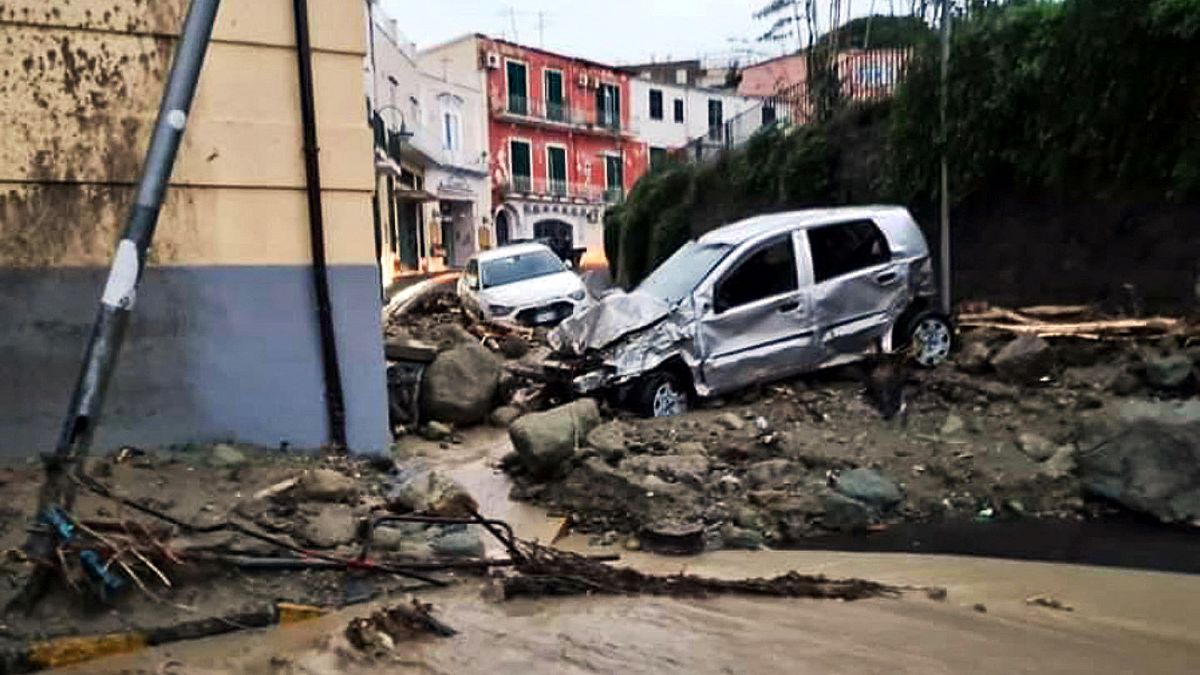
Water levels rose rapidly, spilling over banks and pushing into nearby roads and residential areas. In low-lying zones, floodwaters rushed through streets, carrying debris, mud, and anything in their path. Vehicles were quickly overwhelmed, some partially submerged while others were swept aside by the force of the water.
Residents described the moment the situation turned from concern to panic.
The sound of rushing water grew louder, echoing through neighborhoods as drainage systems struggled to cope with the sudden volume. What were once dry streets transformed into fast-moving channels of muddy water, cutting off access and trapping vehicles.
But the flooding was only part of the danger.
As the rain continued to pour across Calabria, hillsides began to collapse.
Saturated soil loosened its grip on the slopes, triggering landslides that sent large amounts of earth, rocks, and vegetation crashing down toward roads and homes below. In some areas, entire sections of hillside gave way, blocking roads and isolating communities.
The speed and unpredictability of these landslides made them especially dangerous.
Unlike floods, which can sometimes be anticipated as water levels rise, landslides can occur suddenly, with little immediate warning once the ground reaches a critical saturation point. Residents living near slopes had little time to react as the earth shifted and moved.
Emergency services across Italy quickly mobilized.
Firefighters, rescue teams, and local authorities rushed to affected areas, working under difficult and hazardous conditions. Roads blocked by debris and flooding made access challenging, forcing crews to find alternative routes to reach those in need.
Helplines were flooded with calls.
Reports of trapped residents, flooded homes, and blocked roads came in from multiple locations across Calabria. Authorities urged people to remain indoors if safe, avoid traveling through flooded areas, and stay alert for further instructions.
The intensity of the storm was fueled by a combination of atmospheric instability and moisture drawn from the nearby Mediterranean Sea.
Meteorologists explained that warm, moisture-rich air contributed to the heavy rainfall, while the region’s terrain amplified its impact by channeling water into concentrated flows. This combination created ideal conditions for both flash flooding and landslides.
As night approached, the situation became even more dangerous.

Reduced visibility made it harder for both residents and emergency crews to navigate the affected areas. Floodwaters continued to move through streets, while unstable slopes remained at risk of further collapse.
In some locations, power outages were reported, adding to the sense of uncertainty.
Communities were left in darkness, relying on emergency responders and limited communication as they waited for conditions to improve. The sound of rain and distant movement of water or debris heightened anxiety among residents.
Despite the fear, acts of solidarity emerged.
Neighbors helped one another move to safer locations, shared information, and supported those who needed ᴀssistance. In times of crisis, the strength of community became a vital resource as people worked together to face the unfolding disaster.
Authorities warned that the danger was not over.
Even if rainfall begins to ease, the risk of additional landslides remains high due to the saturated ground. Rivers and streams may also continue to rise as water from higher elevations flows downward, prolonging the flooding.

Recovery efforts are expected to be complex.
Clearing debris from roads, ᴀssessing structural damage, and restoring essential services will take time. The impact on infrastructure, homes, and the natural landscape will likely be significant.
For many in Calabria, the event serves as a stark reminder of how quickly natural disasters can develop.
What started as heavy rain escalated into a multi-faceted crisis involving both water and land, leaving little time for preparation.
The scenes emerging from southern Italy—flooded streets, damaged roads, and collapsed hillsides—paint a picture of a region under pressure from the forces of nature.
As emergency teams continue their work and residents remain vigilant, the focus stays on safety and survival.
And while the rain may eventually stop, the impact of this sudden and terrifying disaster in Calabria will be felt long after the waters recede and the الأرض stabilizes once again. 🌧️🚨🌊


