Shocking Discoveries About Jesus in Ancient Texts: A Journey into the Unexplored
In the realm of religious studies, few figures evoke as much discussion and intrigue as Jesus of Nazareth.
For over two millennia, he has been revered as a central figure in Christianity, yet the traditional narrative surrounding his life and teachings is often seen through a narrow lens.
Many are familiar with the biblical accounts of Jesus performing miracles, preaching to crowds, and ultimately sacrificing himself for humanity’s sins.
However, the discovery of ancient texts outside the canonical Bible has unveiled a radically different portrayal of this iconic figure.
These ancient writings, some suppressed for centuries, challenge the established understanding of Jesus and offer a more intimate, complex, and even radical perspective.

The notion that there are forbidden gospels and lost sayings about Jesus raises profound questions about what we have been taught and what has been deliberately omitted from the mainstream narrative.
One of the most compelling texts is the Gospel of Thomas, discovered in 1945 near Nag Hammadi, Egypt.
Unlike the four gospels of the New Testament, the Gospel of Thomas contains no miracles, crucifixion, or resurrection.
Instead, it presents Jesus as a teacher of wisdom, emphasizing inner discovery.
In one striking saying, Jesus states, “Split a piece of wood, and I am there. Lift the stone, and you will find me.”
This portrayal of Jesus as a guide to personal enlightenment rather than a figure demanding adherence to dogma challenges traditional Christian beliefs.

The Gospel of Thomas invites followers to seek the divine within themselves, suggesting that salvation is not merely about belief in doctrine but about awakening to a deeper truth.
This radical view posed a significant threat to early church leaders who sought to maintain control over the interpretation of Jesus’ teachings.
As a result, the Gospel of Thomas was buried, hidden away by early monks who recognized its potential to disrupt the established order.
Another shocking text is the Gospel of Judas, which presents a perspective that turns the traditional understanding of Judas Iscariot on its head.
In this account, Judas is not the villain of the story but rather the disciple who comprehends Jesus’ true mission.
Written in Coptic and dating back to the second century, the Gospel of Judas suggests that Jesus instructed Judas to betray him as part of a divine plan.
This revelation reframes the narrative of betrayal and guilt that has dominated Christian theology for centuries.
The implications of the Gospel of Judas are staggering; it suggests that Jesus viewed his crucifixion not as a tragedy but as a necessary transformation.
This perspective undermines the centuries of theological discourse built on the notions of sin and betrayal, offering a more nuanced understanding of Jesus’ intentions and the role of Judas in the grand narrative.
The Infancy Gospel of Thomas offers yet another perspective, one that many modern readers may find unsettling.
This text, likely written in the second century, presents a young Jesus who performs miracles, not out of kindness, but sometimes in anger or defense.
For instance, when a boy accidentally bumps into him, Jesus curses the boy, resulting in his death.

Such stories depict a child Jesus with raw, unchecked power, which contrasts sharply with the image of a perfect, sinless savior.
This portrayal of Jesus as a developing figure, learning to navigate his divine powers, challenges the traditional view of Jesus as the immaculate lamb from birth.
It suggests that Jesus’ journey was one of growth and understanding, making him more relatable to those grappling with their own humanity.
The Gospel of Mary Magdalene further complicates the narrative surrounding Jesus and his disciples, particularly regarding women’s roles in early Christianity.
Traditionally, Mary Magdalene has been portrayed as a secondary character in the biblical accounts, often misunderstood and marginalized.
However, in her gospel, Mary emerges as a central figure, offering guidance and sharing teachings that Jesus entrusted to her.
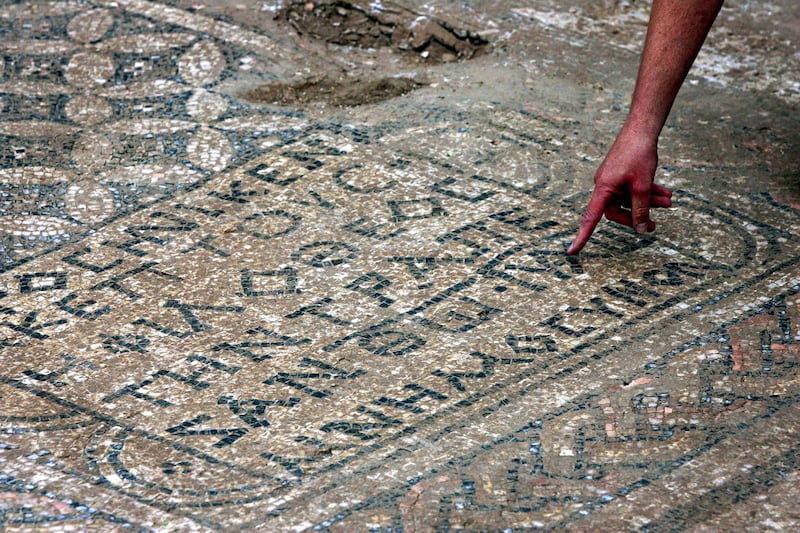
This text raises critical questions about the early church’s treatment of women and their voices.
The Gospel of Mary highlights the tensions surrounding female leadership and authority within the church, suggesting that Mary’s insights were deemed too threatening for inclusion in the canonical gospels.
The Nag Hammadi texts, discovered in 1945, also shed light on a branch of early Christianity known as Gnosticism.
These texts, which include writings like the Gospel of Truth and the Sophia of Jesus Christ, emphasize the importance of inner knowledge and personal experience of the divine.
The Gnostics believed that true salvation came not from blind faith but through understanding one’s own divine spark.
The Gnostic view of Jesus as a revealer of hidden wisdom and a guide to self-realization contrasts sharply with the church’s emphasis on obedience and adherence to doctrine.

This divergence illustrates the power dynamics at play in the early church, where texts that encouraged personal exploration and mystical experiences were often suppressed to maintain control over the growing Christian community.
The question remains: why were these alternative texts hidden away?
The answer lies in the political and theological landscape of the early centuries of Christianity.
As the church transitioned from a marginalized sect to the official religion of the Roman Empire, the need for unity and orthodoxy became paramount.
Competing interpretations of Jesus created confusion and division, prompting church leaders to establish a canon that would promote a singular narrative.
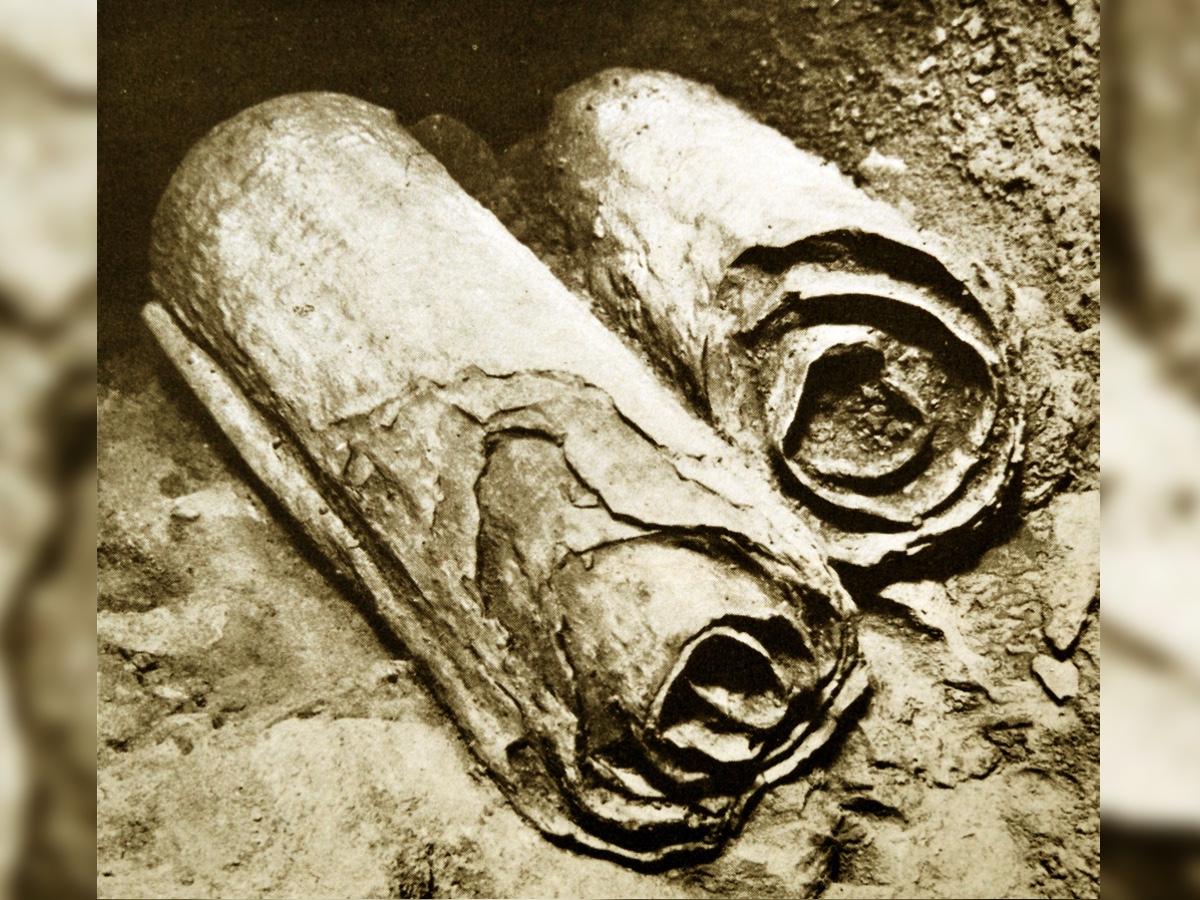
Writings that emphasized mysticism, inner freedom, and feminine authority were seen as dangerous, as they threatened the hierarchical structure that the church sought to establish.
Consequently, many of these texts were labeled heretical, destroyed, or simply forgotten.
Today, however, there is a growing interest in these ancient writings among scholars, theologians, and even some clergy.
Many are beginning to reevaluate the role of these so-called forbidden texts, recognizing that they do not replace the Bible but rather expand our understanding of early Christianity.
Scholars like Elaine Pagels and Bart Ehrman have emphasized the importance of these texts in revealing the complexities of the canonization process and the diverse interpretations of Jesus that existed among early followers.
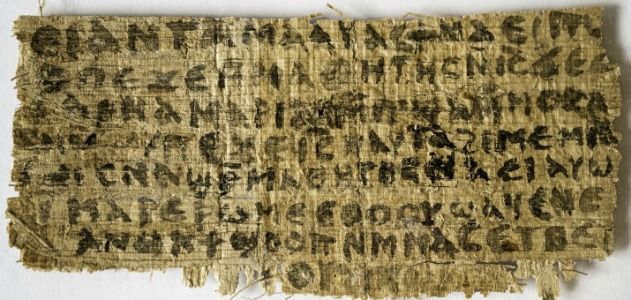
In conclusion, the discoveries of these ancient texts invite believers and seekers alike to reconsider the narrative surrounding Jesus.
The Jesus revealed in these writings is not merely a figure of doctrine but a dynamic, multifaceted teacher who challenges authority, embraces the feminine, and encourages personal exploration of truth.
This exploration may be thrilling yet unsettling, as it disrupts long-held certainties and invites us to ask deeper questions about faith and spirituality.
Perhaps the story of Jesus is not just about adhering to a set of beliefs but about embarking on a journey of discovery, both within ourselves and in the world around us.
As we delve into these ancient texts, we may find that the Jesus we thought we knew is even more profound than we imagined, urging us to ignite an inner revolution rather than merely conform to established traditions.


