Midnight Operation in Mexico: Drug Factories Destroyed, Cartel Finances Seized
A dramatic anti-drug operation unfolded in the heart of cartel territory as agents from the Drug Enforcement Administration worked alongside Mexican military forces to strike at a major narcotics network in Culiacán, the capital of the Mexican state of Sinaloa.
The high-risk mission targeted multiple drug laboratories and safehouses linked to organized crime, resulting in the arrest of 27 suspects, the destruction of drug manufacturing facilities, and the seizure of large amounts of illicit cash believed to be cartel profits.
Authorities described the coordinated operation as one of the most aggressive crackdowns carried out in the region in recent months.
Culiacán has long been considered a stronghold for powerful trafficking organizations, making any law-enforcement action in the area both complex and dangerous.
According to officials involved in the operation, intelligence about the network began to surface months earlier when investigators uncovered evidence of several clandestine laboratories producing narcotics for international distribution.
The facilities were allegedly part of a supply chain responsible for manufacturing large quanтιтies of drugs before shipping them north through established smuggling routes.
The investigation soon expanded.
Agents traced communications, financial transactions, and transportation patterns connected to the network.
What initially appeared to be a small cluster of drug labs gradually revealed itself to be part of a broader manufacturing system with links to cartel financiers and distribution managers.
Authorities say the network relied on hidden laboratories scattered throughout rural and urban areas near Culiacán.
These facilities were designed to operate quietly, often hidden inside warehouses, remote buildings, or heavily guarded compounds.
Investigators suspected the labs were producing narcotics destined for markets in the United States and other countries.
Once officials gathered enough evidence, a multi-agency task force began planning a coordinated strike designed to dismantle the operation in a single sweeping move.
The enforcement phase began before sunrise.
Military convoys moved into position across several districts surrounding the suspected laboratories while tactical teams prepared to breach buildings believed to be storing chemicals, manufacturing equipment, and drug shipments.
Residents in nearby neighborhoods reported hearing helicopters overhead and seeing military vehicles moving through the streets as the operation unfolded.
Within minutes, security forces entered multiple compounds simultaneously.
Inside the buildings, authorities discovered large-scale drug production equipment, chemical containers, and packaging materials used to prepare narcotics for transport.
Officials say the facilities were quickly secured while specialists ᴀssessed the dangerous substances found inside.
Some of the laboratories were immediately destroyed to prevent them from being used again.
Authorities say dismantling drug manufacturing sites is a crucial step in weakening trafficking organizations, as these facilities represent the core of their production capacity.
During the raids, officers detained 27 individuals believed to be connected to the drug network.
Those arrested included suspected laboratory operators, security personnel, and individuals responsible for transporting supplies and finished narcotics.
Investigators say the suspects will face charges related to drug manufacturing, trafficking, and participation in organized criminal activity.
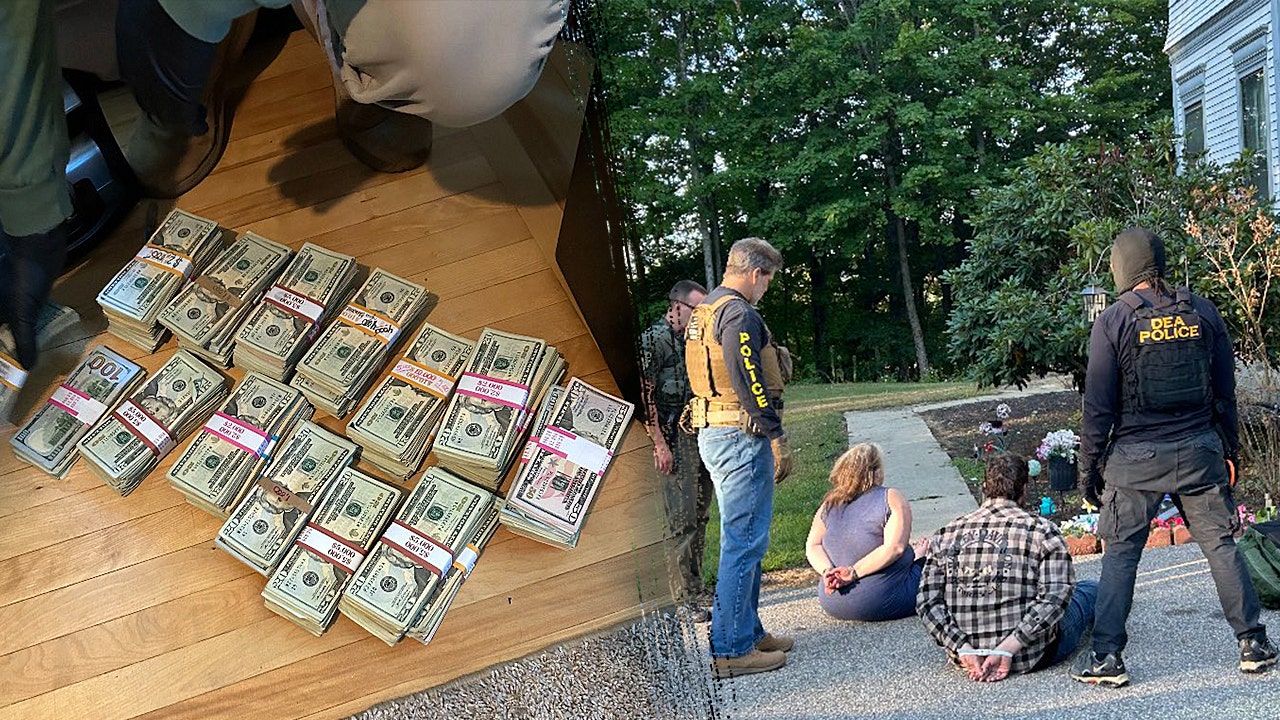
Authorities also seized large amounts of cash believed to be connected to the cartel’s financial operations.
Bundles of currency were reportedly discovered hidden inside rooms and storage containers within the compounds.
Financial investigators are now examining the money in order to trace the network’s financial pathways.
Officials believe the seized funds represent only a fraction of the cartel’s profits, but the discovery could provide valuable insight into how the organization moves and launders its earnings.
One of the most dramatic elements of the operation involved the detention of a woman described by investigators as closely connected to a senior figure within the trafficking network.
Authorities believe she played a key role in managing financial transactions tied to the cartel’s drug operations.
Her capture could potentially provide investigators with new intelligence about the leadership structure of the network.
Officials have not released detailed information about her idenтιтy or her exact role within the organization, but they say the arrest may prove crucial to the ongoing investigation.
Security experts note that operations targeting cartel networks in Culiacán carry significant risks.
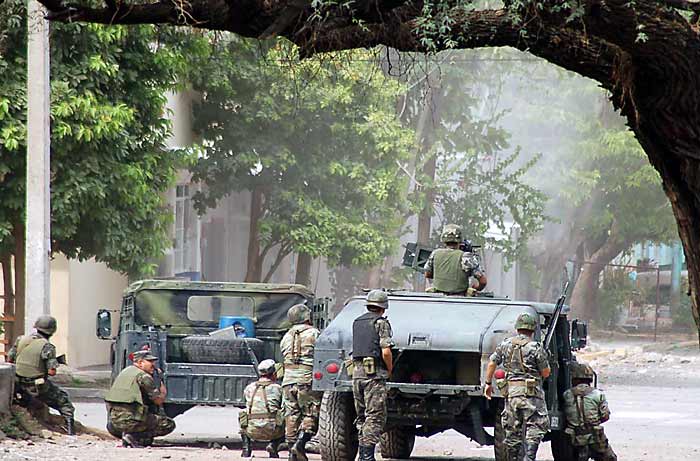
The city has been ᴀssociated with powerful criminal groups for decades, and law-enforcement actions there can trigger violent reactions from cartel members attempting to protect their operations.
Because of those risks, the operation was carefully planned and executed with heavy security support.
Military units secured the surrounding areas while investigators worked inside the compounds to gather evidence.
Authorities reported that the operation concluded without major clashes, though officials remain alert for potential retaliation from criminal groups affected by the crackdown.
Law-enforcement agencies say the destruction of the drug laboratories represents a major blow to the network’s ability to produce narcotics.
Manufacturing sites require specialized equipment, chemical supplies, and trained personnel, making them difficult to replace quickly once they are dismantled.
By targeting both the production facilities and the individuals responsible for running them, authorities hope to disrupt the organization’s supply chain for an extended period.
The operation also reflects increasing cooperation between American and Mexican authorities in combating cross-border drug trafficking.
Officials from both countries have emphasized the importance of sharing intelligence and coordinating enforcement actions to target organizations that operate internationally.
Drug cartels often rely on complex networks that span multiple countries, making joint operations essential for dismantling their infrastructure.
While the arrests and seizures represent a significant victory for law enforcement, officials acknowledge that the fight against organized crime in the region is far from over.
Cartel networks are known for their ability to adapt quickly, shifting operations to new locations or restructuring leadership when their activities are disrupted.
Investigators are now analyzing the evidence collected during the raids to identify additional members of the network who may still be operating.
Electronic devices, financial documents, and communication records recovered from the compounds could lead to further arrests in the coming months.
For the residents of Culiacán, the operation served as a dramatic reminder of the ongoing struggle between authorities and criminal organizations operating in the region.
Helicopters, military vehicles, and heavily armed officers moving through the streets created a tense atmosphere that many locals have become all too familiar with.
Still, officials say operations like this one are essential to weakening the power of trafficking networks that have long dominated the area.
By striking at the manufacturing centers, seizing illicit money, and arresting those involved, authorities hope to reduce the influence of the criminal organizations that profit from the drug trade.
As investigators continue examining the evidence and questioning those arrested, the full scope of the network may soon become clearer.
For now, the destruction of the laboratories and the arrest of 27 suspects stand as a significant moment in the ongoing campaign against organized crime in one of the most notorious drug trafficking regions in the world.


