Engineers Just Discovered Why Mississippi River Lost 47% in 72 Hours And It’s SUPER TERRIFYING
The Mississippi River, a vital artery of commerce and ecology in the United States, is facing an alarming crisis as it grapples with historically low water levels.
Recent reports have suggested that nearly 47% of the river’s water mysteriously vanished within a mere 72 hours.
However, engineers have stepped in to clarify this sensational claim, explaining that the reality is far more complicated and concerning than the headlines suggest.
The Mississippi River is not just any river; it drains approximately 41% of the continental United States, collecting water from 31 states and two Canadian provinces.
Every year, hundreds of cubic kilometers of water flow through this critical system, supporting agriculture, transportation, industry, and the drinking water needs of millions of people.
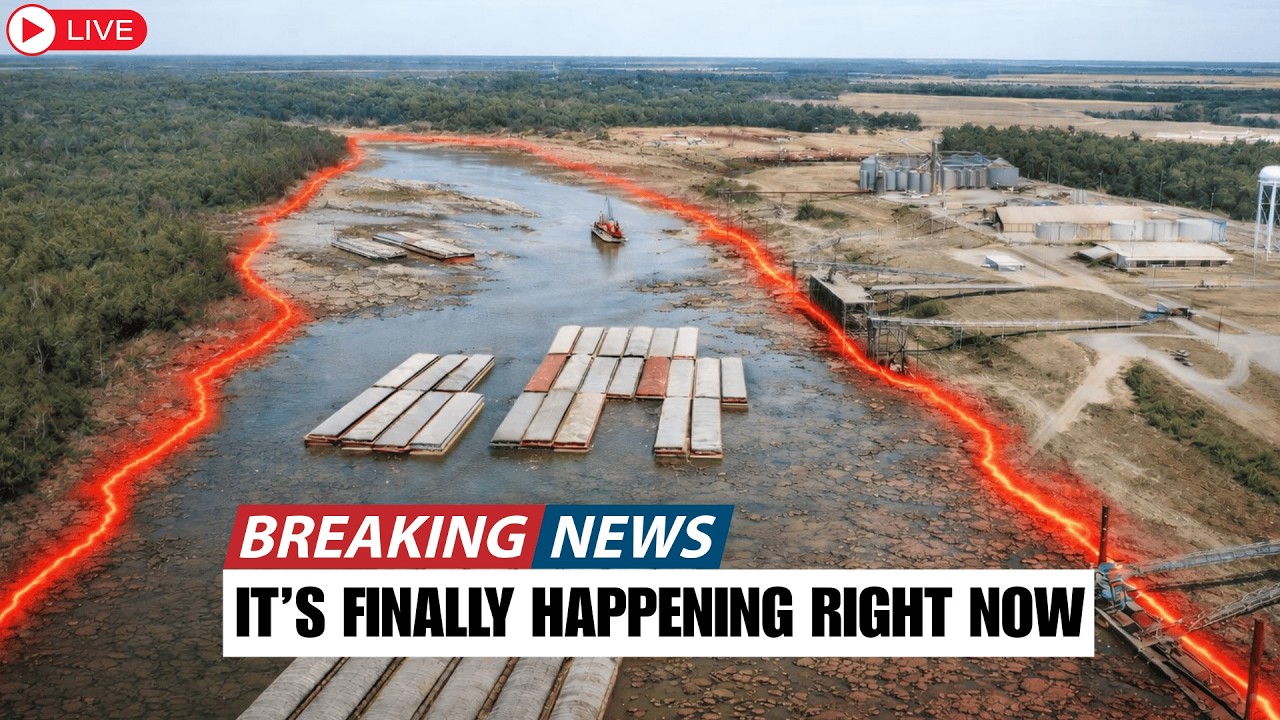
The river is a powerhouse, transporting more than 500 million tons of cargo annually, including grain, coal, petroleum, and chemicals.
A single tow of barges can replace hundreds of trucks, making the river an essential route for American commerce.
When the river slows down, the economic repercussions extend far beyond its banks, affecting industries and communities reliant on its flow.
So, what is really happening to the Mississippi River?
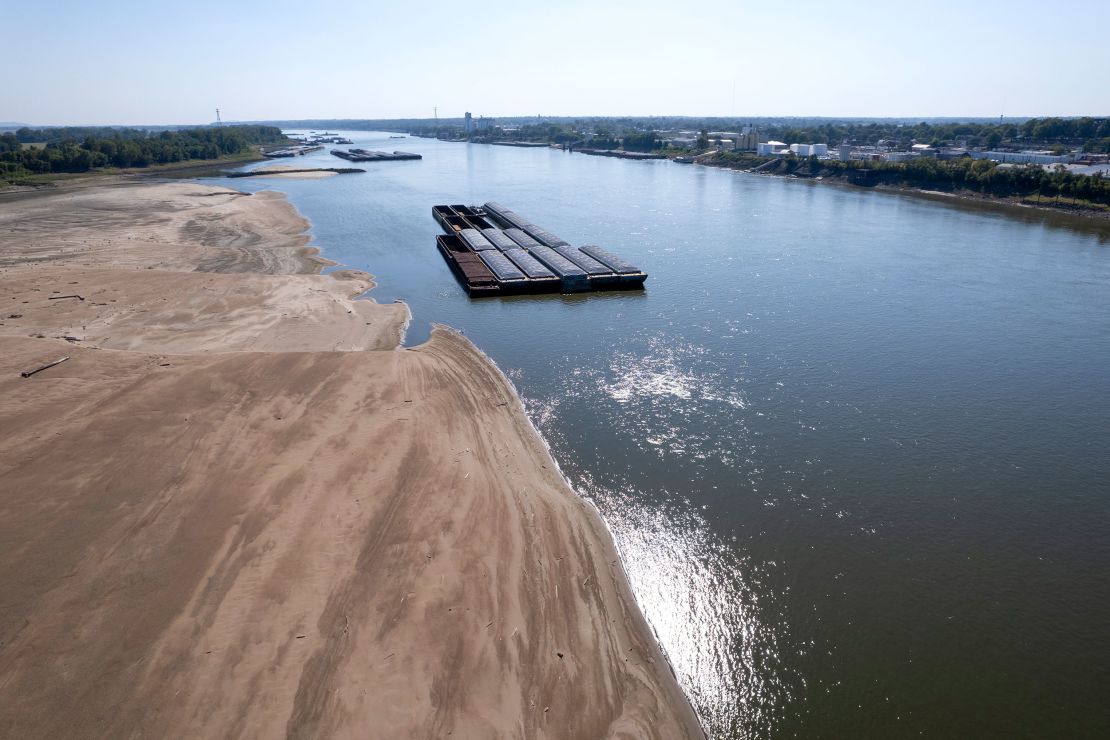
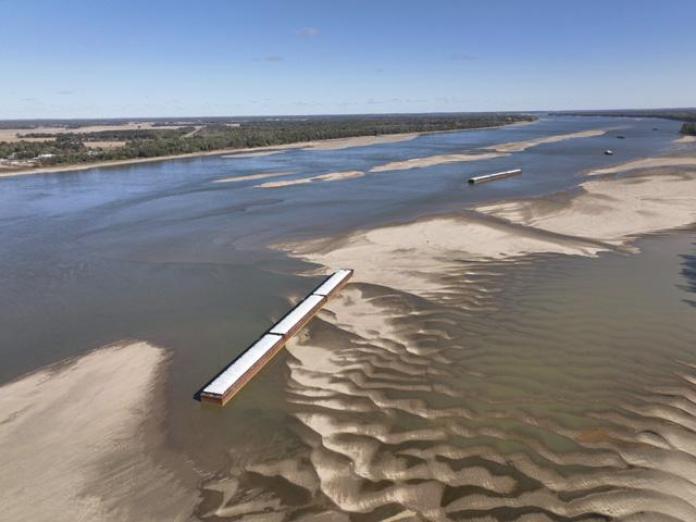
In recent years, particularly during 2022 and 2023, the river has experienced some of the lowest water levels on record.
Gauges in places like Memphis have shown alarming declines, leading to stranded barges and a significant drop in shipping capacity.
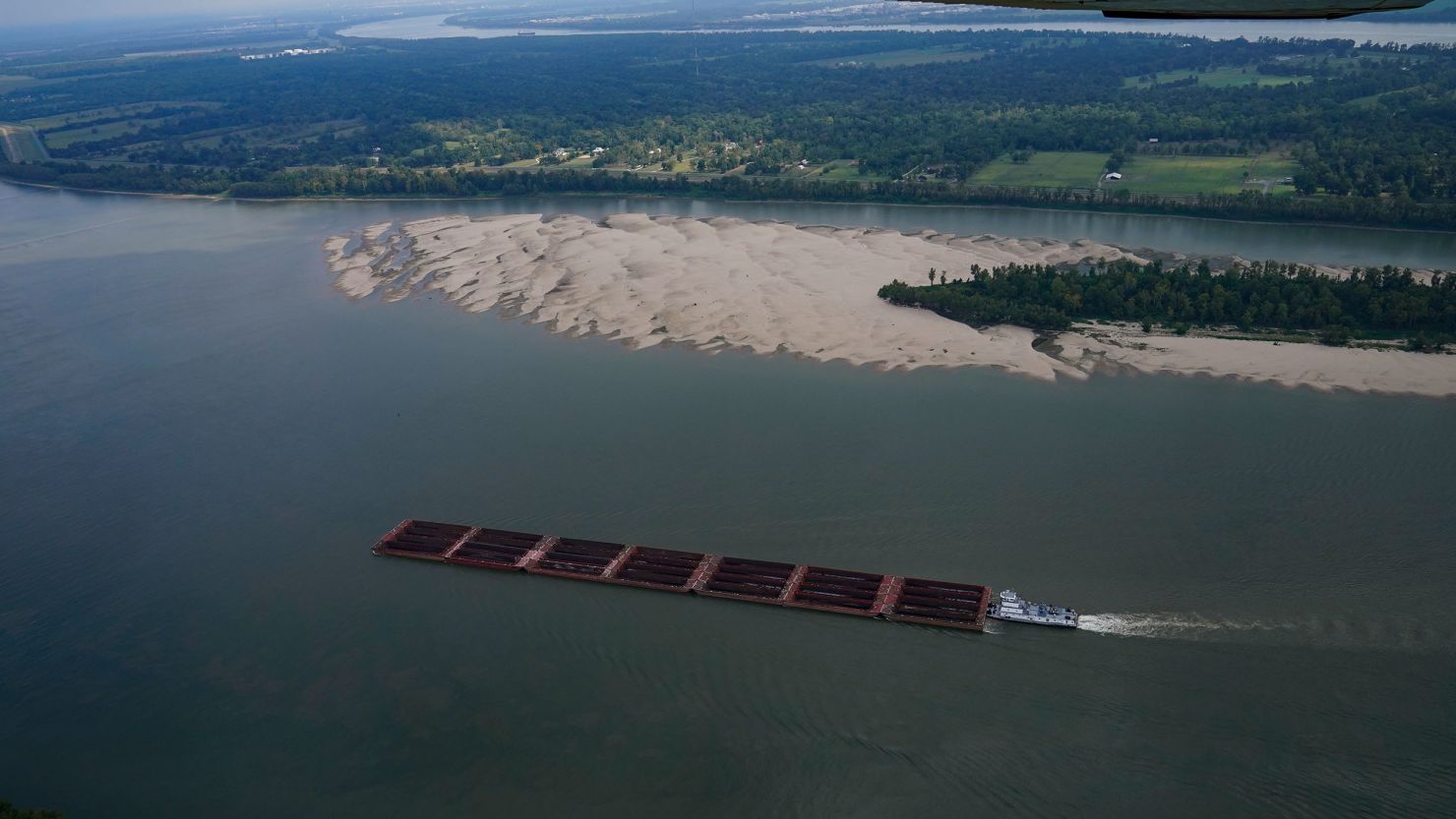
The primary culprit behind these low levels is not a sudden geological event but rather an extended drought affecting the entire Mississippi basin, particularly the Midwest and the Missouri River system.
Reduced rainfall has led to less runoff feeding the river, while high temperatures have accelerated evaporation and increased soil moisture loss.
As upstream tributaries weaken, the main stem of the Mississippi inevitably suffers.
However, drought alone does not tell the whole story.
The Mississippi River is a heavily engineered system, shaped by nearly a century of human intervention.
In response to the catastrophic Great Mississippi Flood of 1927, Congress enacted the Flood Control Act of 1928, empowering the US Army Corps of Engineers to construct an extensive network of levees, flood walls, revetments, dams, and control structures.
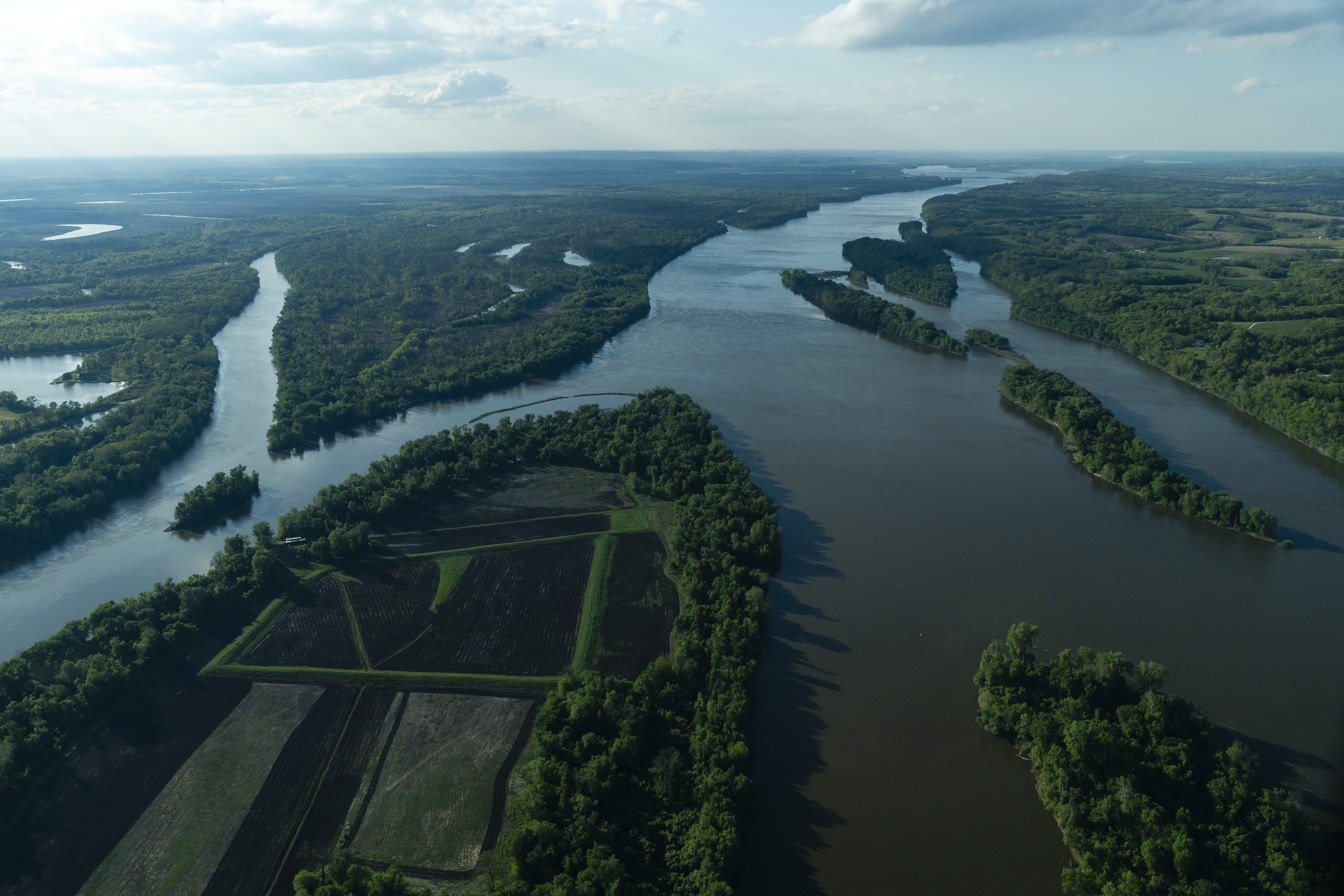
While these projects have significantly reduced flood risks and improved navigation, they have also altered how the river interacts with its floodplain.
A natural river would typically spread out during floods, depositing sediment across wide areas, which helps maintain wetlands and build land.
However, the confinement of the river by levees has concentrated its energy within a narrower channel, causing faster water to erode the riverbed more deeply in certain sections.
At the same time, upstream dams trap sediment that would usually replenish downstream areas.
This sediment trapping is critical; major dams along the Missouri River system capture tens of millions of tons of sediment each year.
As a result, less material reaches the lower Mississippi and the Louisiana Delta, which historically helped build coastal land.

But this does not mean that the riverbed has transformed into a giant drain, swallowing half of its flow.
Large rivers like the Mississippi naturally exchange water with groundwater systems, with some water seeping downward while groundwater seeps back into the river.
This interaction is a normal hydrological process, but it does not account for sudden, mᴀssive volume losses.
Groundwater depletion is another pressing issue in the Mississippi basin, particularly in agricultural states like Arkansas and Mississippi, where aquifers have been heavily pumped for irrigation.
When groundwater levels decline, the hydraulic relationship between the river and aquifer can shift, causing some rivers to lose more water to surrounding sediments than before.
However, these processes are gradual and regionally variable, not indicative of a sudden continent-wide drainage event.
The dramatic low water conditions of 2022 and 2023 also led to another consequence: saltwater intrusion near the Gulf of Mexico.
When river flow weakens, saltwater from the Gulf can push upstream along the bottom of the channel, threatening drinking water intakes in parts of Louisiana.
In response, the US Army Corps of Engineers constructed an underwater sill to slow the intrusion—a costly but temporary solution that bought some time.
Low water levels also create ecological stress, as shallow channels heat more quickly, shrinking fish habitats and altering migratory bird patterns.
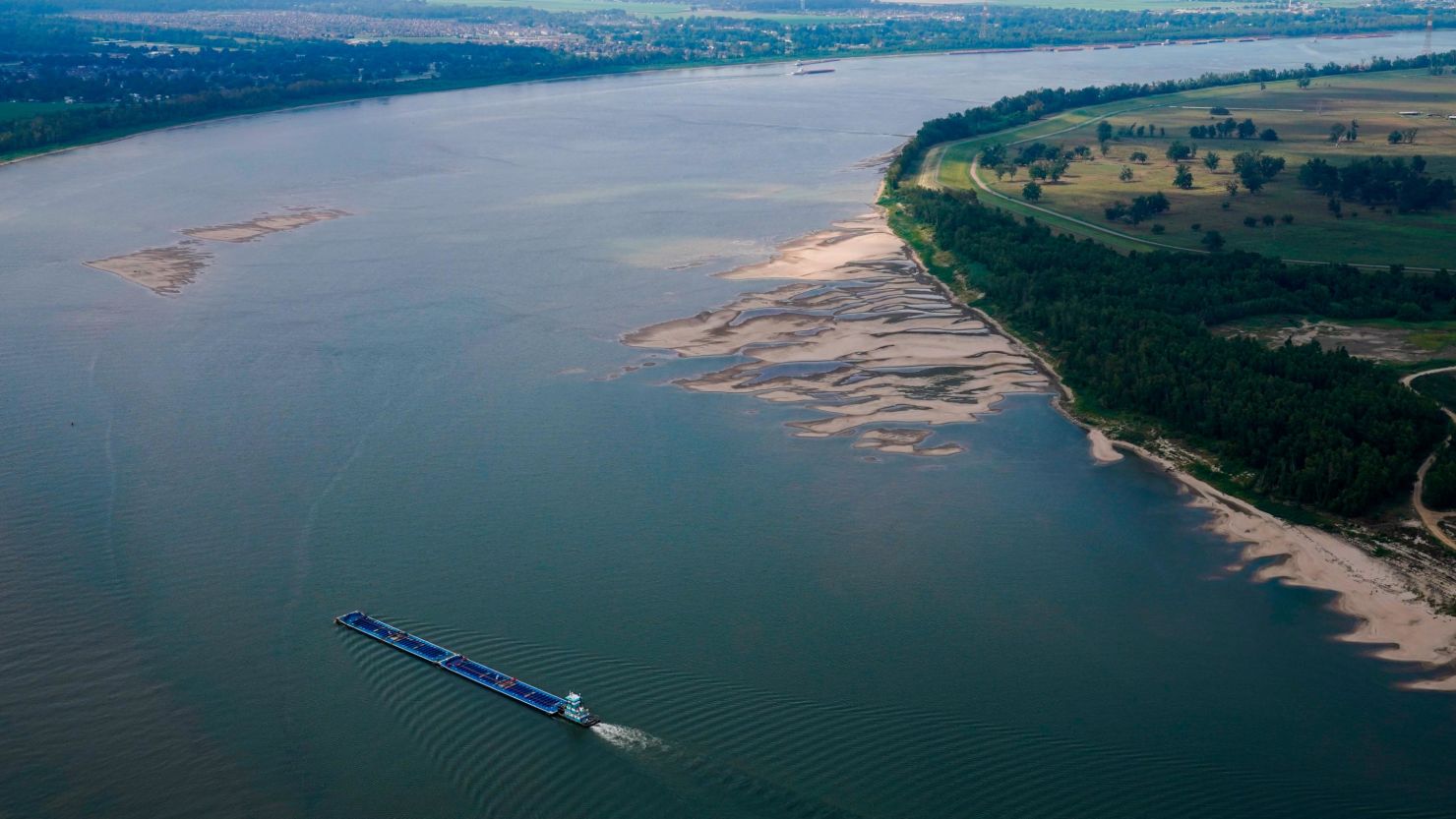
Navigation becomes more challenging, with increased dredging and the formation of sandbars in new locations.
Economically, the impacts ripple outward; when barge drafts must be reduced, each vessel carries less cargo, leading to more trips, higher costs, and delays.
Farmers are often the first to feel these effects, but exporters, global buyers, and consumers ultimately bear the burden as well.
The Mississippi River, which typically moves grain efficiently to global markets, becomes a bottleneck under these conditions.
It is crucial to separate verified data from sensational claims.
There is no official measurement indicating that 47% of the Mississippi River disappeared in 72 hours.
River gauges along the system are closely monitored, and if such a catastrophic loss occurred, it would be documented across multiple stations.
Hydrologists continuously track inflows, outflows, precipitation, and discharge, and while discrepancies can arise due to timing, measurement uncertainty, and local conditions, they do not support the idea of half the river vanishing underground.
The real crisis is slower and more complex, with climate variability appearing to increase.
The basin has seen both extreme floods and droughts within relatively short time spans, testing infrastructure built for 20th-century patterns against 21st-century volatility.
Managing excessive water and insufficient water within the same engineered system is becoming increasingly challenging.
Long-term questions regarding sediment management, delta sustainability, groundwater pumping, and navigation depth requirements remain unanswered.
Engineers and scientists are actively studying these interactions, but solutions are not straightforward.
Eliminating levees could expose communities to flood risks, while releasing sediment from dams would require significant operational changes.

Reducing groundwater pumping would impact agriculture, creating a complex web of trade-offs.
The Mississippi River is not collapsing overnight, nor is it draining into a hidden geological abyss.
Instead, it is a heavily engineered system facing climate stress, sediment imbalance, and water management challenges that will shape its future.
This story is not about a single terrifying discovery; it is about the cumulative decisions made over decades.
Each project solved a problem, but together they have created trade-offs that are now harder to ignore.
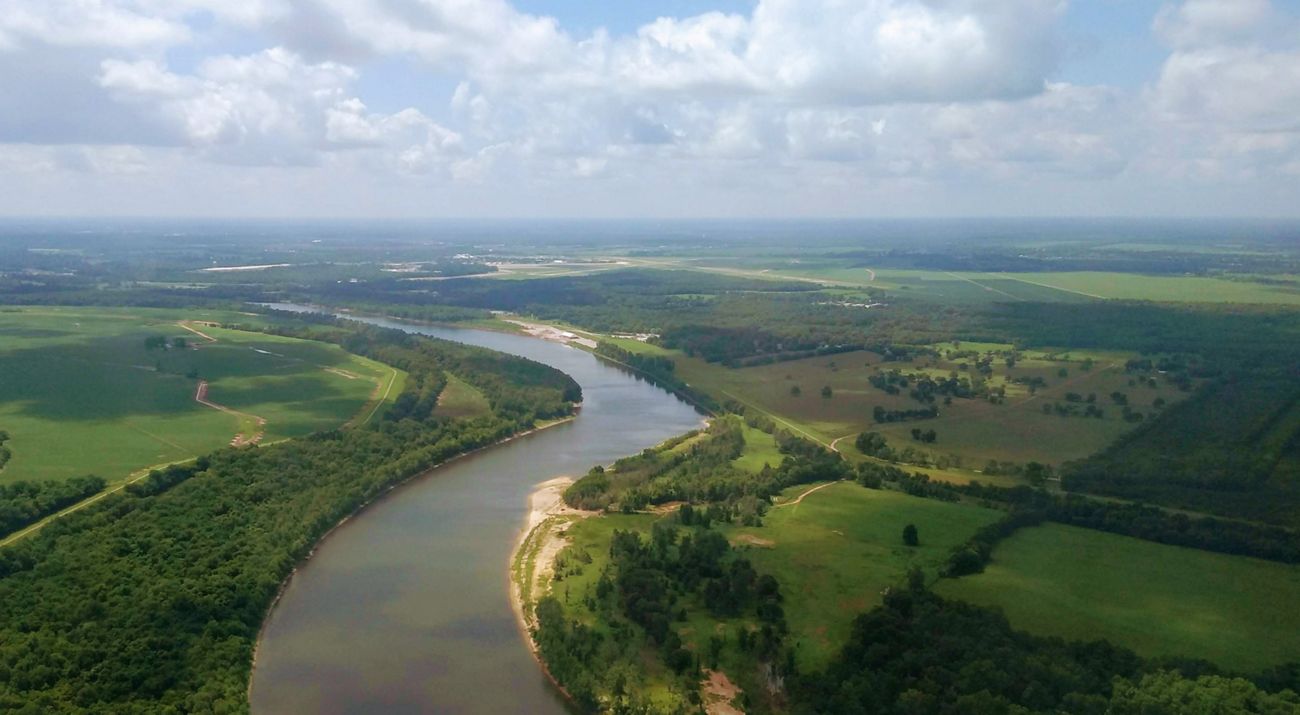
The river continues to flow to the Gulf, supporting millions of livelihoods and carrying vast volumes of water and cargo.
Its stability now depends on adaptive management, updated forecasting models, coordinated basin-wide planning, and realistic expectations about how much control humans can exert over such a dynamic natural system.
The Mississippi is not bleeding out in 72 hours; it is changing.
How the nation responds to these changes—through science, policy, engineering, and conservation—will determine whether this river remains the backbone of American commerce and ecology for the next century.
If you found this breakdown helpful and want more in-depth analysis on major environmental and infrastructure stories, be sure to like this video, share it with others who care about what’s really happening, and subscribe to the channel for more updates.


