Israel Warns Lebanon of ‘Heavy Price’ as Border Bombardments Escalate
Tensions in the Middle East surged dramatically as Israel issued a stark warning to Lebanon, promising a “heavy price” if cross-border attacks continue amid an escalating wave of bombardments along the volatile frontier.
The warning came as explosions lit up the night sky across parts of southern Lebanon, while sirens echoed through Israeli communities near the border, raising fears that the fragile calm between the two sides could spiral into a broader regional conflict.
The confrontation centers largely on the armed group Hezbollah, which operates from southern areas of Lebanon and has long been one of the most powerful non-state military forces in the region.
Israeli officials accuse the group of launching rockets and artillery attacks across the border, targeting northern Israeli towns and military positions.
In response, the Israeli military carried out a series of airstrikes and artillery bombardments aimed at what it described as Hezbollah positions and infrastructure.
The latest round of violence has sent shockwaves through border communities on both sides, where residents are once again bracing for the possibility of a wider war.
Israeli officials delivered their warning during a tense period of rapidly escalating hostilities.
A senior spokesperson for the Israel Defense Forces said the country would not tolerate continued attacks on its territory and would respond with increasing force if the situation worsens.
“Lebanon will pay a heavy price if Hezbollah continues its aggression,” the official warned, signaling the potential for far more severe military action.
Across northern Israel, residents described tense nights punctuated by the sound of air-raid sirens and distant explosions.
Some communities have already begun reinforcing shelters and preparing emergency plans in case the fighting intensifies.
For many people living near the border, the threat feels frighteningly familiar.
The region witnessed a devastating conflict during the 2006 Lebanon War, when a full-scale confrontation between Israel and Hezbollah lasted more than a month and left thousands of people ᴅᴇᴀᴅ or displaced.
That war began with a cross-border raid and quickly escalated into a mᴀssive exchange of rockets, airstrikes, and ground battles.
Now, analysts warn that the current tensions could follow a similar path if diplomatic efforts fail to contain the violence.
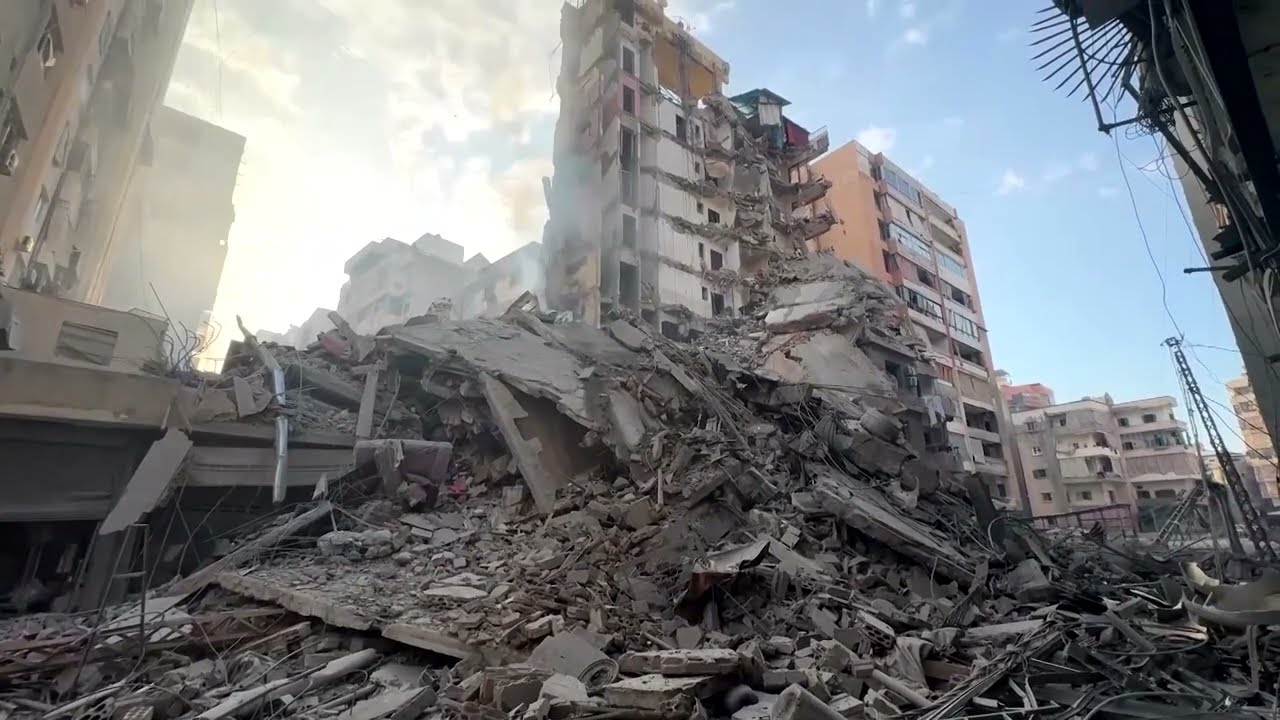
In southern Lebanon, residents reported hearing multiple explosions as Israeli artillery and aircraft targeted areas believed to host Hezbollah fighters and weapons storage sites.
Columns of smoke were seen rising from hillsides and villages near the border, while emergency crews rushed to ᴀssess damage and ᴀssist civilians caught in the crossfire.
Local authorities urged residents to stay indoors as the bombardments continued through the night.
Meanwhile, in northern Israel, rocket warning systems were activated repeatedly as projectiles were detected crossing the border.
Although many were intercepted or landed in open areas, the psychological impact on local communities has been significant.
Schools in some towns have temporarily closed, and families are spending more time near protected shelters in case new attacks occur.
International observers say the confrontation reflects deeper regional tensions that have been building for years.
Hezbollah remains heavily armed and deeply entrenched in parts of southern Lebanon, while Israel considers the group one of its most serious security threats.
The Israeli government has repeatedly warned that it will not allow Hezbollah to expand its military capabilities near the border.
Military analysts say both sides appear to be engaging in a careful but dangerous balancing act.
While neither Israel nor Hezbollah may want a full-scale war, the cycle of attack and retaliation carries the constant risk of miscalculation.
A single incident causing large casualties could quickly trigger a broader conflict.
Diplomatic channels are now working urgently behind the scenes to prevent that scenario.

Officials from several international organizations have called for restraint, emphasizing the need to avoid actions that could push the region toward a major war.
But on the ground, the reality remains tense and unpredictable.
Residents in villages across southern Lebanon say the sound of jets and artillery has become a constant presence in recent days.
Families are preparing emergency supplies and keeping children indoors as uncertainty hangs over the region.
In northern Israel, similar scenes are unfolding.
Local authorities have reviewed evacuation plans for communities closest to the border, while emergency responders remain on high alert.
For people living in these areas, the conflict is not just a geopolitical struggle—it is a daily reality that can change in an instant.
Experts say the coming days could prove critical.
If the exchanges remain limited, tensions may gradually ease through diplomatic pressure and negotiations.
But if attacks intensify, the region could find itself sliding toward a far larger confrontation involving multiple fronts and potentially drawing in additional regional actors.
As bombardments continue and warnings grow more severe, the fragile balance along the Israel-Lebanon border appears increasingly strained.
And for millions of people across Israel and Lebanon, the fear of another devastating war is once again looming over the horizon.


