On January 27, 2026, a shocking announcement sent ripples through the grocery retail industry.
Amazon, a тιтan in e-commerce and retail, abruptly closed all 57 of its Fresh grocery stores and 14 to 16 Go stores across the nation.
This move not only marked a significant shift in Amazon’s grocery strategy but also left thousands of workers in the lurch.
In California alone, 3,855 workers lost their jobs, many arriving at work that fateful morning only to find the doors locked and no prior notice of the closures.
What led to this drastic decision?
This article delves into the timeline of events leading up to the closures, the implications for workers and communities, and what the future holds for Amazon’s grocery ventures.

The Rise and Fall of Amazon Fresh
Amazon Fresh was launched in 2020, heralding a new era of grocery shopping with its innovative “Just Walk Out” technology.
This technology promised a seamless shopping experience, allowing customers to enter stores, pick their items, and leave without going through a traditional checkout process.
However, as time went on, cracks began to show in this ambitious venture.
By 2022, Amazon reported a staggering $720 million impairment charge related to its grocery operations, signaling deep financial troubles.
Despite the initial excitement surrounding the technology, it became increasingly clear that the model was not sustainable.
The Financial Struggles
Industry analysts began to raise red flags about Amazon’s grocery strategy long before the closures were announced.
The financial losses mounted, and early warning signs suggested that the company was struggling to compete in an already saturated market.
As other grocery chains adapted to consumer demands and preferences, Amazon’s approach appeared increasingly out of touch.
The closures in January 2026 were not just a sudden decision; they were the culmination of years of missteps and miscalculations.

Job Losses: A Human Cost
The impact of these closures was felt most acutely by the workers who found themselves suddenly unemployed.
In California, the scale of job losses was staggering.
Many employees, like La Ronda Wallace, arrived at their stores to find them locked, with no communication from management about the impending closures.
The emotional toll on these workers cannot be overstated.
Families were left scrambling to make ends meet, and communities were deprived of essential services.
Breaking Down the Numbers
The job losses were not uniform across the state.
Different counties experienced varying levels of impact.
For instance, Los Angeles County saw a significant number of layoffs, exacerbating existing economic challenges in the region.
Local governments scrambled to respond, offering support and resources to those affected.
The closures also raised concerns about food access in underserved communities, which often rely on grocery stores for their daily needs.
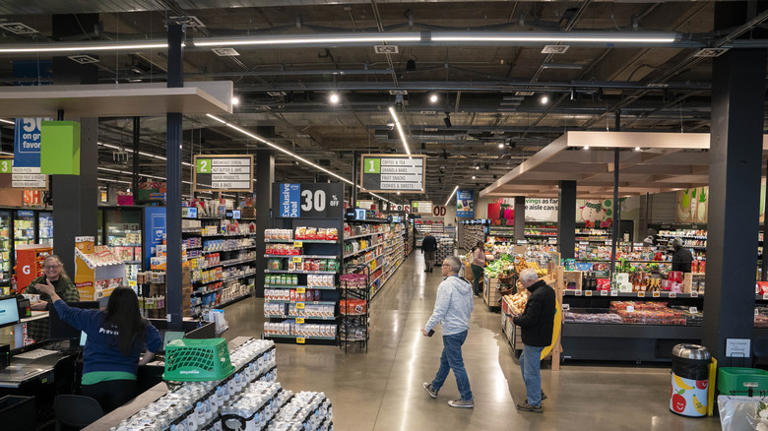
The Wider Community Impact
The closure of Amazon Fresh stores has far-reaching implications beyond just job losses.
In cities like Seattle, where food deserts are already a pressing issue, the loss of these grocery stores has intensified concerns about food access.
Residents in these areas now face even greater challenges in obtaining fresh produce and essential items.
Community leaders and activists have voiced their concerns, emphasizing the need for sustainable grocery options in these neighborhoods.
Local Government Response
In response to the crisis, local governments have mobilized to provide ᴀssistance to displaced workers.
Programs aimed at job training, unemployment benefits, and food ᴀssistance have been implemented to help those affected by the closures.
However, the scale of the problem is daunting, and many workers are left wondering what their next steps should be.
Severance and Transfer Options for Workers
As the dust settles from the closures, former Amazon employees are left navigating a complex landscape of severance and job placement options.
The Teamsters union has been vocal about advocating for fair wages and support for laid-off workers.
They argue that Amazon has a responsibility to provide adequate severance packages and ᴀssistance in finding new employment opportunities.

The Broader Context of Layoffs
The January 2026 closures are part of a larger trend within Amazon, which announced a total of 30,000 layoffs across various divisions.
CEO Andy Jᴀssy’s statements at the World Economic Forum in Davos hinted at a shift towards “efficiency,” a term that has become synonymous with job cuts in the corporate world.
As Amazon re-evaluates its business strategies, many are left questioning the long-term viability of its grocery operations.
Looking Ahead: What Happens Next?
With the closure of these stores, questions loom about the future of Amazon’s grocery business.
Will the company pivot to a different model, or will it withdraw entirely from the grocery sector?
Investors and analysts are watching closely, as the implications of these decisions will resonate throughout the retail industry.
The Future of Grocery Shopping
As consumers increasingly demand convenience and accessibility, the grocery landscape is evolving.
Companies that adapt to these changes will thrive, while those that cling to outdated models may find themselves in similar predicaments as Amazon Fresh.
The fate of grocery shopping in America is at a crossroads, and the lessons learned from Amazon’s experience will undoubtedly shape the future of retail.
https://youtu.be/Fj88-nn1c0o
Conclusion
The abrupt closure of Amazon Fresh and Go stores has cast a spotlight on the challenges facing the grocery industry.
The job losses and community impacts serve as a stark reminder of the human cost of corporate decision-making.
As we reflect on this situation, it is crucial to consider the broader implications for workers, communities, and the future of grocery shopping.
The story of Amazon Fresh is not just about a failed business model; it is about the people behind the numbers and the communities that are affected.
As the dust settles, it remains to be seen how this chapter will influence the future of retail and the lives of those impacted by these closures.


