Just before dawn on June 11th, the air in Franklin, Alabama hung thick with humidity as federal agents ᴀssembled outside a modest storefront mᴀssage parlor. The building looked like countless others across America’s suburbs—faded signage, darkened windows, a door that wouldn’t draw a second glance during daylight hours. But investigators believed what was happening inside was anything but ordinary.
The raid was part of a broader federal initiative later referred to as Operation Coast to Coast, a multi-state crackdown targeting suspected human trafficking networks operating under the cover of legitimate businesses. What agents found inside that first location would quickly widen the scope of the investigation beyond anything initially anticipated.
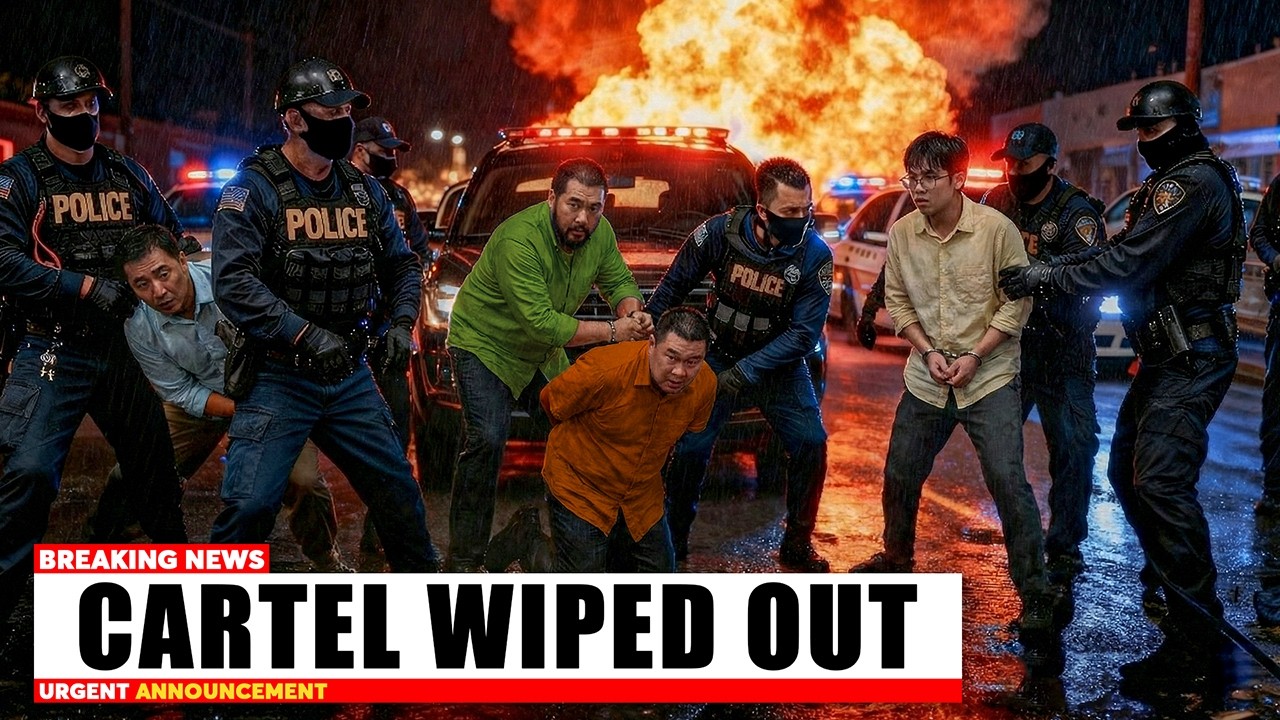
According to federal authorities, several women were located inside the premises living and working under conditions consistent with coercion. Interviews conducted in the hours that followed revealed allegations of debt bondage, restricted movement, and constant surveillance. The parlor, officials say, was not an isolated operation—it was one node in a network spanning multiple states.
As the investigation expanded, federal agencies including the FBI and Homeland Security Investigations (HSI) began connecting similar storefronts in Texas, California, New York, Missouri, and Oklahoma. Many of the businesses were registered under different corporate names but shared overlapping ownership structures, financial patterns, and staffing pipelines.
What initially appeared to be scattered cases of illicit activity began to resemble a coordinated enterprise.

Investigators allege that victims—primarily Chinese nationals—were recruited overseas with promises of legitimate employment opportunities in the United States. Upon arrival, however, they were allegedly informed that they owed substantial “travel debts,” often ranging from $50,000 to $70,000. Authorities say these debts were used as leverage to force compliance.
Federal affidavits describe women working seven days a week, sometimes sleeping in the same rooms where services were performed. Many allegedly had limited access to phones, restricted contact with family members, and little understanding of their legal rights. Some reported being moved across state lines frequently, a tactic investigators believe was used to prevent them from forming local ties or seeking help.

As agents dug deeper, they uncovered evidence suggesting that the operation was supported by a sophisticated financial structure. Shell companies, layered ownership filings, and cross-border wire transfers masked the movement of funds. Prosecutors allege that profits were broken into smaller transactions—a practice known as “structuring” or “smurfing”—to avoid triggering financial reporting requirements.
Encrypted messaging platforms were reportedly used to coordinate operations between managers in the United States and handlers overseas. In several locations, agents discovered hidden surveillance systems that allowed off-site supervisors to monitor activities inside the parlors in real time.
“It operated with the discipline of a corporation,” one federal official said during a later briefing. “This was not random. It was structured.”

The scale of the alleged enterprise became clearer when agents executed synchronized warrants across five states. In Austin, Texas, authorities reported finding individuals concealed in cramped back rooms. In California, agents located hidden compartments built into commercial spaces. Across multiple sites, law enforcement documented similar layouts—front-facing businesses with discreet living quarters behind false walls or secured doors.
By the end of the coordinated raids, federal officials announced that approximately 60 potential trafficking victims had been removed from exploitative conditions and placed into protective services. Thirty individuals described as high-level coordinators were arrested on charges including conspiracy, trafficking-related offenses, and money laundering.
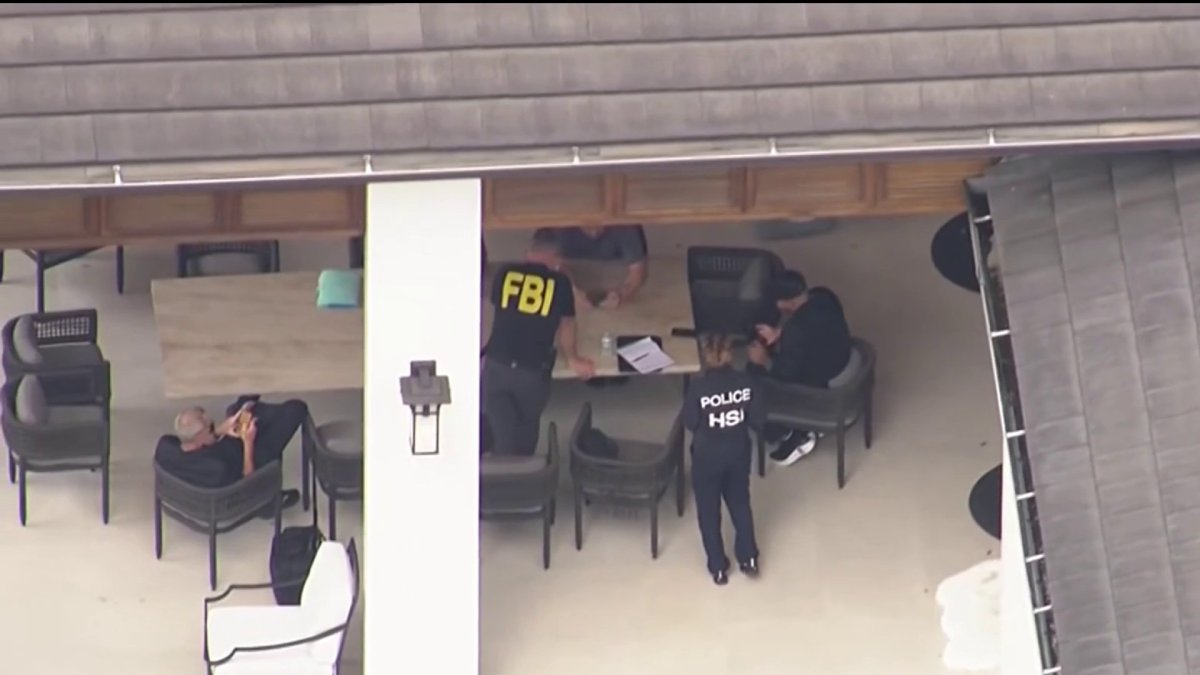
Prosecutors allege that the organization generated hundreds of millions of dollars over several years, using front businesses not only to exploit labor but also to launder profits. Financial records seized during the raids detailed complex webs of transfers between domestic and international accounts.
What stunned investigators most was how seamlessly the operation blended into everyday commerce. Mᴀssage parlors are legal businesses when properly licensed and regulated. Many operate legitimately. The alleged network relied on that legitimacy, officials say, using business registrations, tax filings, and rental agreements to present a compliant public image.
Community members in several cities expressed shock upon learning of the allegations. Neighbors described the storefronts as “quiet” and “low-profile,” with little visible disturbance. That invisibility, investigators believe, allowed the operation to persist for years.

Yet dismantling such networks is rarely simple.
Federal officials acknowledged that criminal enterprises often adapt quickly. In past cases, storefronts shuttered by enforcement have reopened under new names or ownership structures. Authorities are now working with state regulators to strengthen oversight of business licensing, improve interagency data sharing, and identify patterns that could signal coercive labor practices.
Advocacy organizations emphasized that addressing trafficking requires more than arrests. Survivors need long-term support including housing, legal ᴀssistance, language services, and trauma-informed care. Without those resources, experts warn, vulnerable individuals may remain at risk of re-exploitation.

The investigation also prompted renewed scrutiny of visa programs and labor recruitment channels. Lawmakers have called for enhanced monitoring of sponsorship arrangements and stricter vetting of corporate ownership disclosures to prevent similar schemes from embedding themselves within legitimate industries.
Operation Coast to Coast marked a significant enforcement action, but officials were careful to frame it as one chapter in a larger fight.
Human trafficking networks, particularly those operating transnationally, rely on exploitation of immigration vulnerabilities, financial opacity, and social isolation. They thrive in environments where victims fear authorities or lack access to information about their rights.
For the women removed from the parlors, the raids represented an abrupt end to years of confinement and control. Federal agencies are coordinating with victim ᴀssistance programs to provide shelter and immigration relief where applicable.

The storefronts involved in the case now sit dark, their neon lights extinguished. But investigators continue reviewing digital evidence, tracing financial pathways, and examining related enтιтies that may still be operating.
The case underscores a difficult truth: exploitation can hide behind the façade of ordinary commerce. It can exist in strip malls and office parks, in places people pᴀss every day without suspicion.
And while one network may have been disrupted, authorities caution that vigilance remains essential. Human trafficking persists not because it is visible—but because it is designed to look ordinary.


