Silenced Mid-Stream: When Covering Epstein and Prince Andrew Triggered a Shutdown
On a Friday afternoon livestream, a political commentator known for dissecting the Epstein files found his broadcast abruptly terminated. The reason displayed on screen: “Stream unavailable. Stream suspended for policy violations.” Moments later, he discovered the trigger—copyright enforcement related to footage from the BBC’s 2019 interview with Prince Andrew.
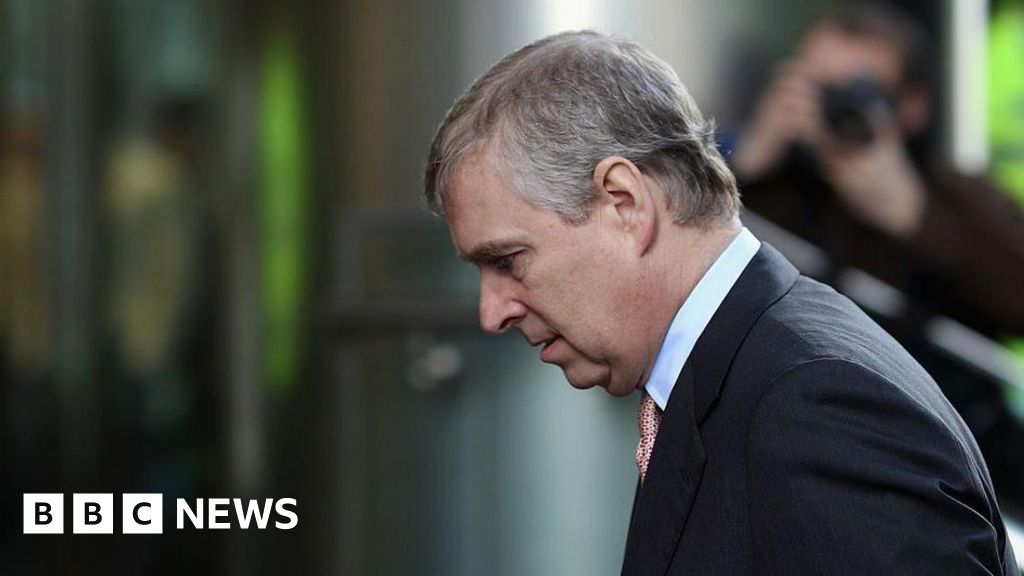
The shutdown occurred roughly 20 minutes into a segment analyzing Andrew’s now-infamous interview, conducted in November 2019 at Buckingham Palace. The interview, widely criticized at the time for the Duke of York’s tone and responses, addressed his relationship with convicted Sєx offender Jeffrey Epstein and allegations brought by Virginia Giuffre. Andrew has consistently denied Giuffre’s allegations and reached an out-of-court civil settlement with her in 2022 without admitting liability.

The livestream host had been playing short clips of the BBC interview while pausing to offer commentary and analysis—a format commonly used in news criticism and legal breakdowns. According to the host, the use of footage fell under fair use, as it was presented for educational and analytical purposes rather than rebroadcast in full.
Nevertheless, the platform’s automated copyright system issued a strike, and the stream was taken down mid-broadcast.
After the initial termination, the host restarted the livestream and continued discussing Epstein, Prince Andrew, and Giuffre—this time attempting to avoid direct BBC footage. Near the end of that second stream, another copyright claim appeared, though the video was allowed to remain visible temporarily.
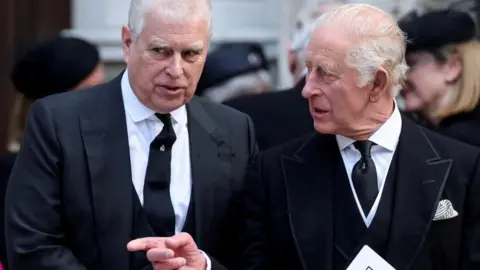
Frustrated but defiant, the host edited both streams together, removed the BBC footage entirely, and formally disputed the strike under fair use provisions. He argued that his work was commentary on matters of public interest—specifically, documents and interviews already released to the public.
The dispute highlights a growing tension in digital media: the intersection of copyright law, automated enforcement systems, and politically sensitive content.
The livestream was not solely about Prince Andrew’s interview. It was part of a broader series covering newly released Epstein-related documents—often referred to online as “data drops” or file releases. These releases have reignited debate about transparency, accountability, and the role of insтιтutions in handling Epstein’s network of ᴀssociations.
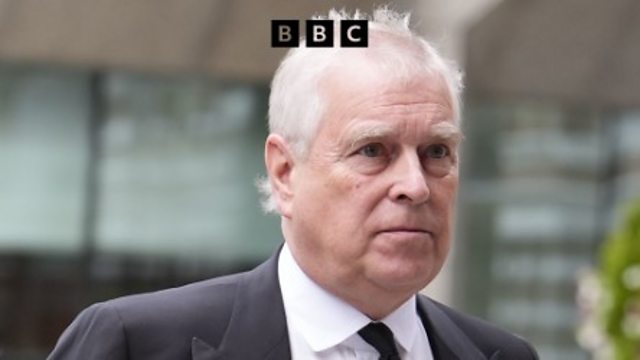
The host emphasized repeatedly that the appearance of a name in investigative documents does not imply guilt or criminal wrongdoing, a distinction echoed by mainstream reporting. Allegations are not convictions, and individuals named in court documents are presumed innocent unless proven otherwise.
Still, public interest in Epstein’s connections remains intense, particularly regarding high-profile figures who maintained social or professional contact with him prior to his 2019 death in federal custody.
At the heart of the controversy is a familiar digital-age dilemma: what qualifies as fair use?

Under U.S. copyright law, fair use allows limited use of copyrighted material for purposes such as commentary, criticism, news reporting, teaching, and research. Courts consider factors including the purpose of the use, the nature of the copyrighted work, the amount used, and the effect on the market value of the original.
Many legal analysts note that transformative commentary—especially when clips are paused, analyzed, and contextualized—often falls within fair use. However, online platforms frequently rely on automated detection systems rather than nuanced legal review. These systems can issue strikes immediately, leaving disputes to be resolved after content is removed.
The BBC, like many major broadcasters, actively protects its footage. Automated claims do not necessarily indicate editorial disapproval; they are often triggered by content-matching software designed to enforce licensing rights.

The host interpreted the strike as an attempt to silence discussion of Epstein-related topics. He argued that mainstream media outlets were not covering the newest document releases extensively and that independent creators were filling the gap.
However, experts caution against conflating copyright enforcement with political censorship. A strike triggered by protected footage does not inherently reflect opposition to the subject matter. It may simply reflect strict intellectual property policy enforcement.
That said, the incident underscores a structural challenge: when critical analysis depends on reviewing original footage, copyright rules can complicate public discourse.
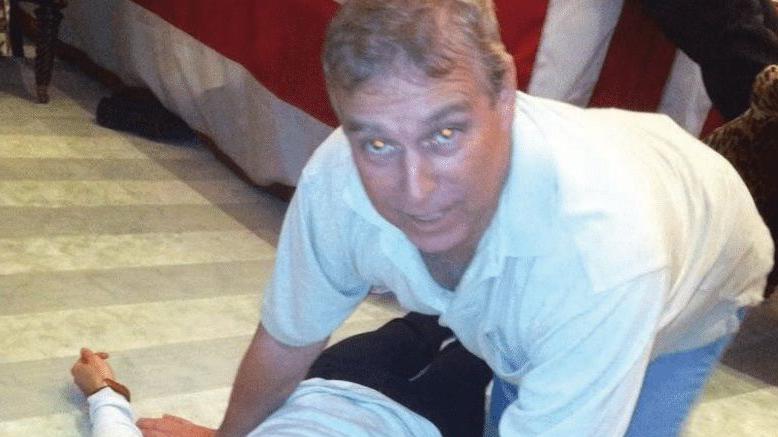
The 2019 BBC “Newsnight” interview remains one of the most scrutinized royal media appearances in modern history. During the interview, Andrew denied ever meeting Giuffre, questioned the authenticity of a widely circulated pH๏τograph, and offered explanations that drew widespread public skepticism.
Shortly after the interview aired, Andrew stepped back from public royal duties. In 2022, he reached a settlement with Giuffre in her civil lawsuit, again without admitting wrongdoing. The royal family later removed his honorary military тιтles and patronages.
Because the interview is central to understanding Andrew’s public defense, analysts frequently reference it. However, full rebroadcast rights remain under BBC ownership, creating ongoing friction between commentary and copyright control.
Beyond the immediate strike, the incident raises broader questions about digital-era journalism:
-
How can independent commentators analyze public-interest interviews without triggering automated claims?
-
Should news footage that shaped major public events be more accessible for critique?
-
Do automated enforcement tools inadvertently limit legitimate commentary?
Platforms face pressure to protect intellectual property while also safeguarding open discourse. Striking the right balance remains a work in progress.
The host has formally appealed the strike, ᴀsserting that his usage met fair use criteria. Appeals can take days or weeks, depending on the platform’s review process and whether the copyright holder contests the claim.
If upheld, the strike could limit his channel’s functionality temporarily. If reversed, it would reinforce the principle that transformative commentary is protected.
Meanwhile, the underlying topics—the Epstein files, insтιтutional transparency, and accountability—continue to generate discussion across political and media platforms worldwide.
In the digital era, even the act of analyzing a controversial interview can become its own controversy. Whether this was censorship or copyright enforcement may depend less on intent and more on how platforms adapt to an environment where public scrutiny increasingly lives online.


