A Hypothetical War That Would Reshape the Middle East
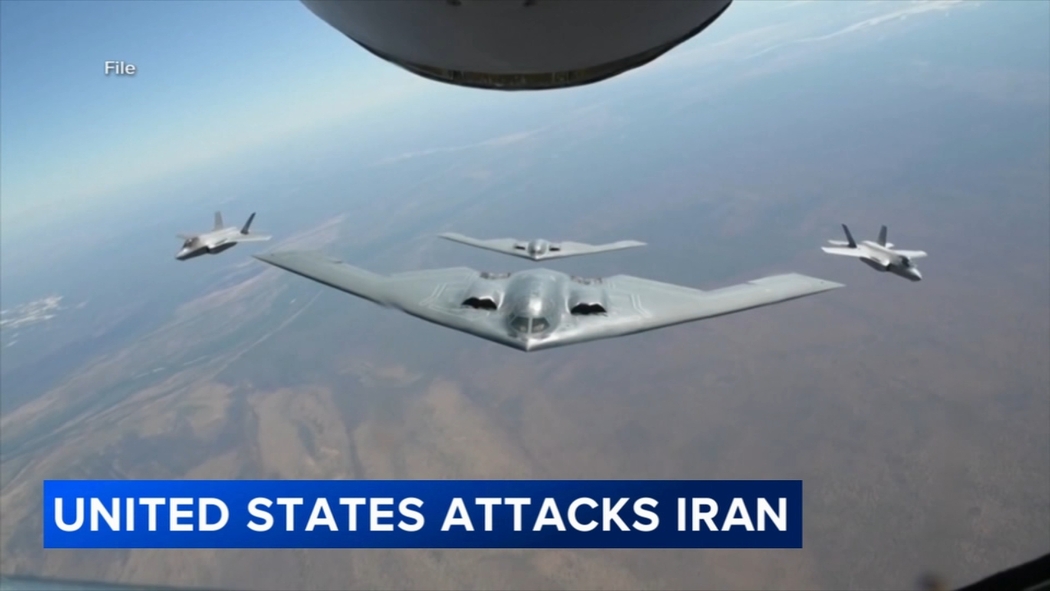
A scenario depicting America launching its most intensive military campaign since the Iraq War paints a picture of overwhelming force: carrier strike groups in position, stealth bombers loaded, submarines armed with cruise missiles, and hundreds of aircraft poised for synchronized action.
In this hypothetical sequence, the strike begins with electronic warfare and cyber operations designed to blind and paralyze Iranian defenses before the first missiles even arrive. Air defense networks collapse under jamming.
Command centers lose connectivity. Precision-guided munitions target radar systems, missile batteries, airfields, naval bases, and underground bunkers.

Within hours, much of Iran’s conventional military infrastructure is severely damaged. Air bases burn. Warships are disabled. Command facilities collapse under bunker-busting bombs. The scenario suggests air dominance is achieved quickly, with thousands of precision strikes degrading Iran’s ability to wage conventional war.
But the decisive phase of the story isn’t the opening attack.
It’s the response.
Rather than attempting to match U.S. power conventionally, Iran shifts to asymmetric tactics—long central to its defense strategy.
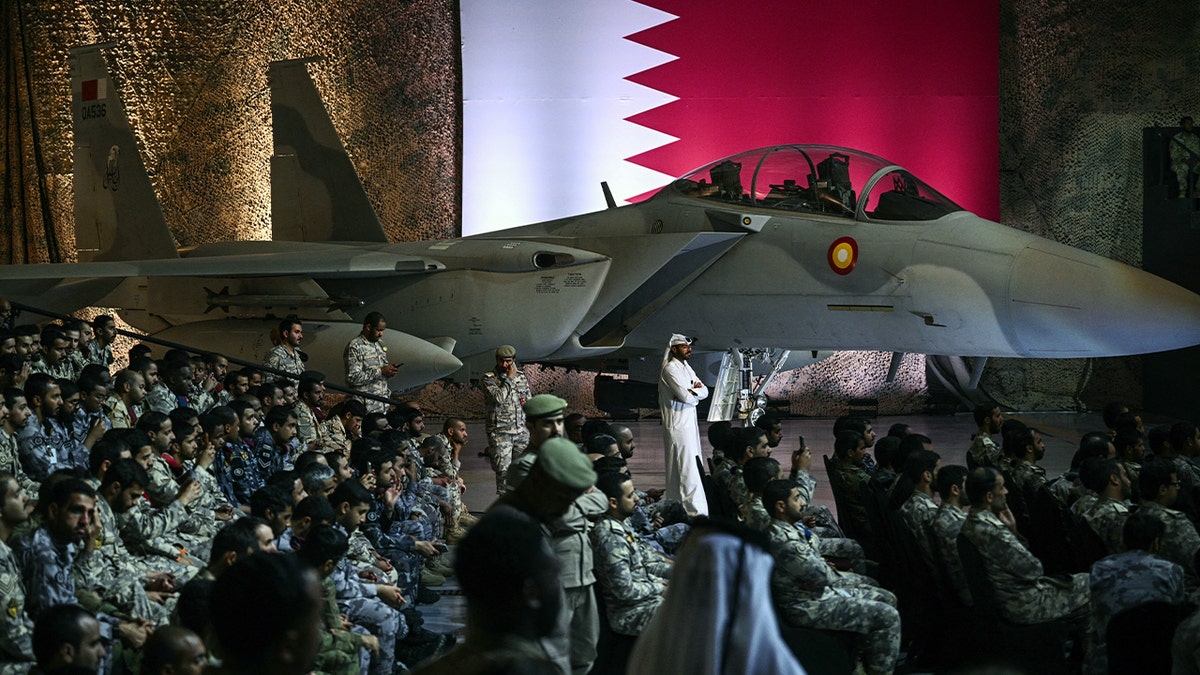
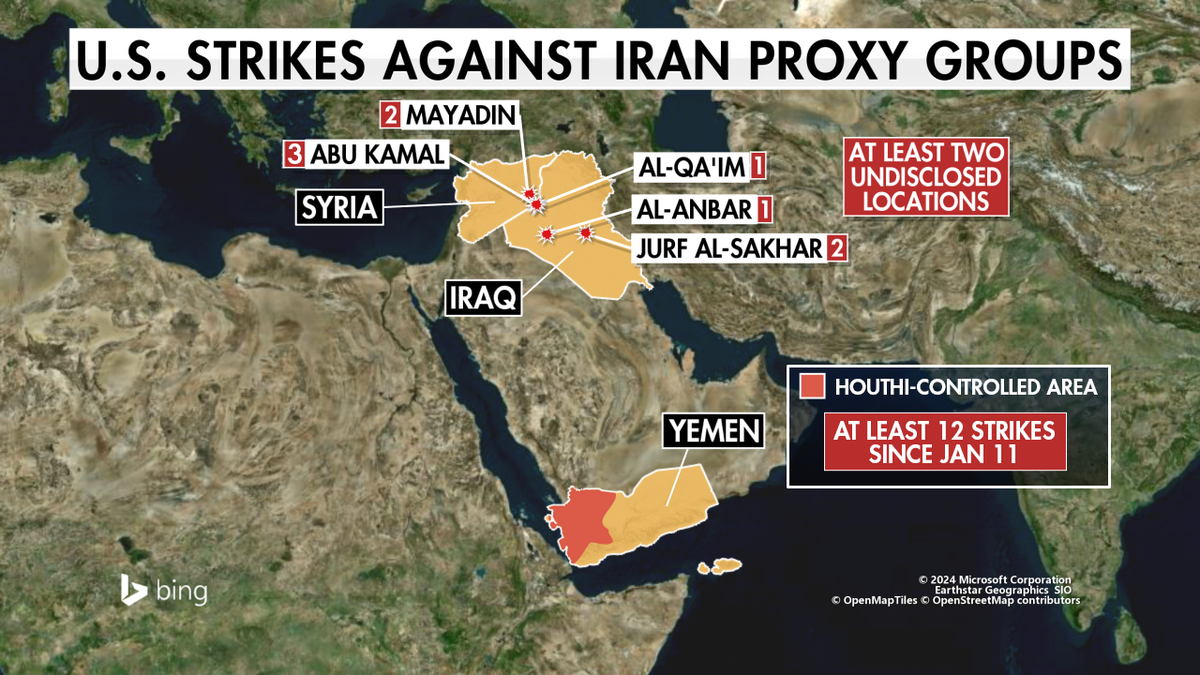
Militia groups in neighboring Iraq launch rocket attacks on U.S. positions. Ballistic missiles strike regional bases. Naval swarms of fast attack boats attempt to challenge U.S. vessels in the Strait of Hormuz. Submarines probe for vulnerabilities beneath the surface.
Even more significantly, the conflict extends into cyberspace. Power grids experience disruptions. Financial systems detect intrusion attempts. The digital battlefield mirrors the physical one, underscoring how modern war is no longer confined to geography.
In this imagined escalation, oil prices surge above $200 per barrel as commercial traffic avoids the Strait of Hormuz. Global markets plunge. The economic ripple effect becomes immediate and severe.
The message is clear: even overwhelming conventional superiority cannot prevent strategic blowback.
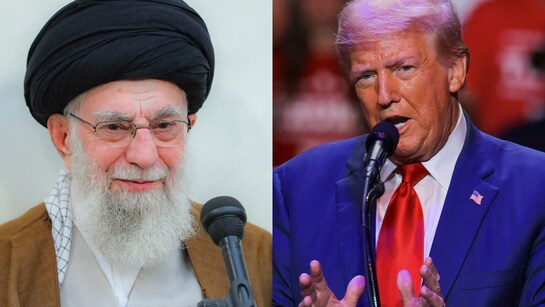
In the scenario, China and Russia react swiftly. Diplomatic condemnation follows, along with intelligence-sharing and emergency United Nations sessions. Moscow positions itself as a broker. Beijing voices concern over regional destabilization.
Even if the United States achieves rapid battlefield success, geopolitical consequences compound quickly. The conflict becomes a global crisis, not just a regional one.
The longer-term implications raise even more complex questions.
Suppose Iran’s conventional military capability were severely degraded. What then?
History suggests that military defeat does not automatically produce political stability. Removing or crippling a state’s military infrastructure can create power vacuums. Those vacuums often invite non-state actors, militias, and extremist groups to fill the gap.
Iraq offers a sobering example of how quickly instability can follow regime or military collapse.
In this scenario, Gulf states might feel emboldened by Iran’s weakened position. Regional rivalries could intensify. Turkey might expand influence. Israel would reᴀssess its security posture. Some states might even accelerate nuclear ambitions, concluding that only nuclear deterrence prevents overwhelming intervention.
Ironically, eliminating a conventional military threat could increase long-term militarization across the region.

The scenario ultimately reveals a core truth of modern conflict: conventional military forces can be destroyed quickly by a superpower. But ideology, political grievances, and regional rivalries cannot be bombed away.
Asymmetric strategies—cyber warfare, proxy militias, missile saturation, economic disruption—allow weaker states to impose costs even when outmatched militarily.
In today’s interconnected world, economic consequences are immediate. Energy markets react in hours. Financial systems tremble in days. Supply chains feel strain within weeks.
A nine-day campaign might devastate infrastructure, but rebuilding—or managing the fallout—could take years.

Even in a scenario of tactical success, strategic questions would dominate:
-
Does eliminating military infrastructure create lasting security—or new instability?
-
How long must forces remain deployed to prevent power vacuums?
-
How would global alliances shift in response to unilateral force?
-
Would other nations accelerate pursuit of nuclear deterrence as protection against similar strikes?
Modern warfare is no longer just about battlefield dominance. It is about narrative, economics, alliances, and long-term stability.
The hypothetical strike illustrates the staggering scale of American military capability. Carrier groups, stealth bombers, submarines, cyber units—when coordinated—can dismantle conventional forces in days.
But it also highlights a paradox: decisive military superiority does not guarantee decisive political outcomes.
Real security requires more than force projection. It demands diplomacy, regional cooperation, economic interdependence, and careful management of escalation risks.
In the end, the most significant consequence of such a conflict would not be the initial barrage of missiles. It would be the precedent set for the future—how other nations interpret deterrence, vulnerability, and survival in a world where conventional forces can be neutralized rapidly.
Military power can reshape battlefields.
Whether it can reshape stability is a far more complicated question.


