🎤 “Bam Bam” Legend Speaks Out: Sister Nancy’s Powerful Truth Has the Music World Talking
For decades, the unmistakable voice behind one of reggae’s most recognizable songs echoed through dance halls, radio stations, and hip-hop samples around the world.
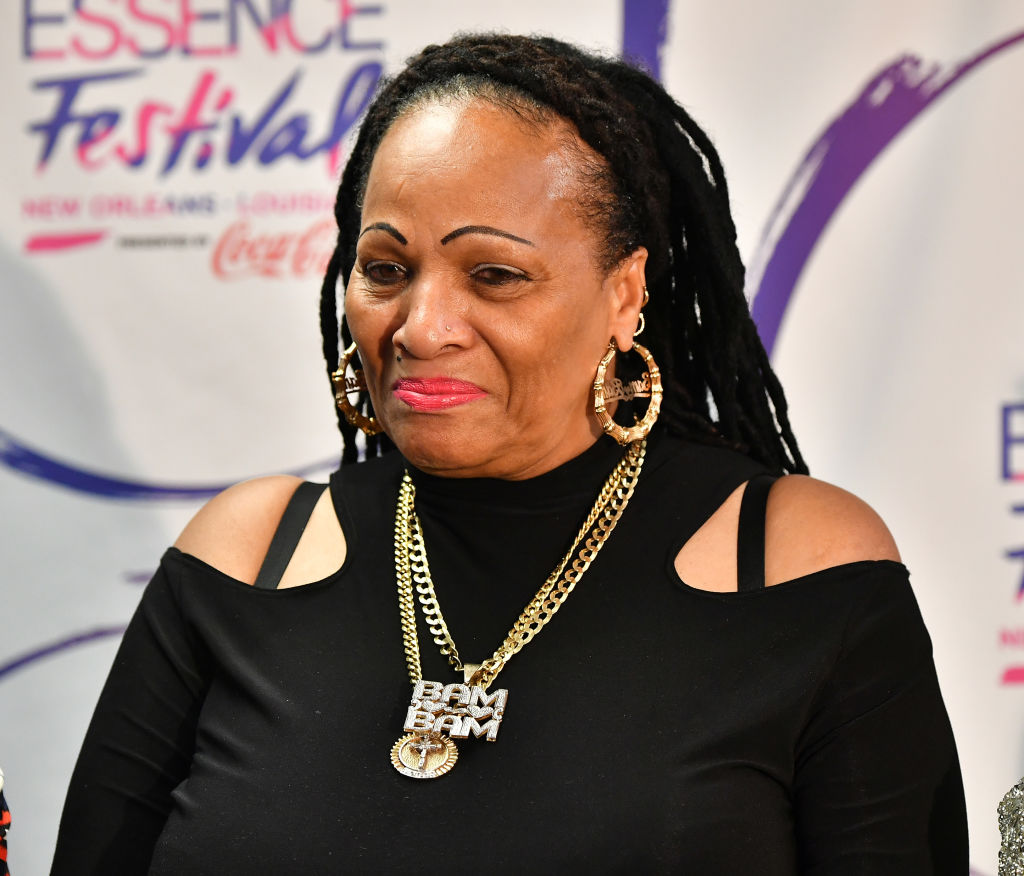
Yet behind the global success of the legendary track Bam Bam, the woman who recorded it spent years navigating a music industry that often overlooked her contributions.
Now, a new revelation from Sister Nancy is reigniting conversations about recognition, resilience, and the hidden struggles faced by pioneers of reggae and dancehall.
Born Ophlin Russell in Kingston, Jamaica, Sister Nancy grew up surrounded by music.
Her brother, the well-known DJ Brigadier Jerry, was already making waves in Jamaica’s vibrant sound system culture during the late 1970s.
At that time, the reggae and dancehall scene was overwhelmingly dominated by male performers, and very few women were able to secure opportunities behind the microphone.
But Nancy had something that could not be ignored — a fearless voice and a natural sense of rhythm that electrified audiences.

Her earliest performances took place at local sound system events in Kingston, where DJs competed for the loudest speakers, the freshest riddims, and the most charismatic performers.
In those environments, reputation spread quickly.
Word of Nancy’s talent moved through the streets, and soon she began appearing regularly alongside established DJs.
What made her stand out was not only her voice but also her confidence.
In a culture where female performers were rare, Nancy stepped onto stages with the same commanding presence as any male DJ.
Audiences were surprised at first, but they quickly embraced her energy.
The more she performed, the more her reputation grew.
Then came the moment that would define her legacy.

In 1982, Sister Nancy recorded Bam Bam, a track built on the classic Stalag riddim produced by Winston Riley.
At the time, it was simply another dancehall recording in a rapidly evolving genre.
No one could have predicted what would happen next.
The song exploded across Jamaica’s dance floors.
Its catchy rhythm and confident lyrics made it an instant favorite among DJs and fans alike.
Over time, “Bam Bam” would grow beyond its original release, eventually becoming one of the most sampled reggae songs in music history.
Artists from hip-hop, electronic, and pop genres began incorporating fragments of the track into their own recordings.
Its influence could be heard in songs by performers such as Lauryn Hill, Jay-Z, and Kanye West.
Yet while the song’s popularity grew across continents, Sister Nancy herself was not experiencing the financial success many people ᴀssumed accompanied such a global hit.
For years, she received little to no payment from the widespread sampling of her music.
This surprising reality is at the center of the revelation that has recently captured the attention of fans worldwide.
In interviews and public discussions, Nancy has spoken candidly about the long battle she fought to reclaim ownership and recognition for her work.
According to the artist, she initially signed contracts early in her career without fully understanding how music rights and royalties functioned in the international industry.
Like many young performers entering the business, she trusted the system around her.
But as the years pᴀssed, she began realizing that the song she created had become a worldwide phenomenon — while she herself was receiving almost nothing in return.
It was a discovery that shocked even her.
As the internet age expanded access to music catalogs and global audiences rediscovered reggae classics, Nancy began noticing just how often “Bam Bam” appeared in other songs.
The track had become a foundational sound within modern music culture.
But recognition for its creator remained limited.
Determined to change that, Sister Nancy eventually began pursuing legal avenues to reclaim her rights.
The process was long, complex, and emotionally draining.
Music rights cases often involve decades-old contracts, multiple ownership claims, and intricate copyright laws spanning several countries.
Yet Nancy refused to give up.
Her persistence eventually led to a breakthrough.
Through legal efforts and negotiations, she finally secured recognition and compensation connected to the use of “Bam Bam.
” For the first time in decades, the artist who recorded the legendary track was receiving the credit she deserved.
The moment marked more than a personal victory.
It became a powerful example for musicians everywhere about the importance of understanding ownership in the music industry.
Nancy has since spoken openly about the lessons she learned from the experience.
Her message to younger artists is clear: talent alone is not enough.
Understanding contracts, royalties, and intellectual property rights is essential for protecting creative work.
The revelation has sparked widespread discussion throughout reggae communities and beyond.
Many fans were stunned to learn that such an influential song had generated little income for its creator for so many years.
Others pointed out that Nancy’s story reflects a broader pattern within the music industry, where early pioneers often struggle to benefit from the long-term success of their recordings.
In recent years, Sister Nancy’s legacy has undergone a remarkable resurgence.
New generations of listeners are discovering “Bam Bam”, often encountering the song through viral social media clips, film soundtracks, and streaming playlists celebrating reggae history.
Younger audiences who were not even born when the track was recorded are now singing along to its unforgettable chorus.
For Nancy, the renewed attention feels both surreal and deeply meaningful.
After decades of performing, touring, and fighting for recognition, she now sees her music embraced across cultures and generations.
Concert crowds frequently erupt with excitement when the opening notes of “Bam Bam” begin to play.
The moment is a reminder that timeless music can survive far beyond the circumstances of its creation.
Yet Nancy’s recent statements suggest that her story is about more than just one song.
She has increasingly used her platform to speak about the challenges faced by women in reggae and dancehall during the early years of the genre.
In the 1980s, female performers often struggled to secure recording opportunities or equal respect within the industry.
Nancy’s success helped break those barriers.
Today, artists such as Spice and Shenseea represent a new generation of women thriving in dancehall and global music markets.
Many of them acknowledge Sister Nancy as a trailblazer who helped open doors.
The renewed interest in Nancy’s story has also reminded fans of reggae’s powerful global influence.
What began as a regional sound system culture in Jamaica eventually spread across continents, shaping genres from hip-hop to electronic music.
Within that global movement, Sister Nancy’s voice became one of its most recognizable echoes.
Her latest revelations are not simply about past struggles but about resilience and recognition.
They highlight the long journey many artists travel before their contributions are fully acknowledged.
For Nancy, the attention now surrounding her story feels like a long-overdue chapter of justice.
And for fans, it serves as a reminder that behind every legendary song lies a human story — often far more complicated than the music itself reveals.
More than forty years after “Bam Bam” first shook dance floors in Kingston, its creator is finally receiving the spotlight she deserves.
And the world is listening.


