“You Didn’t Call Me”: Donnie McClurkin Fires Back at Critics Demanding He Step Down
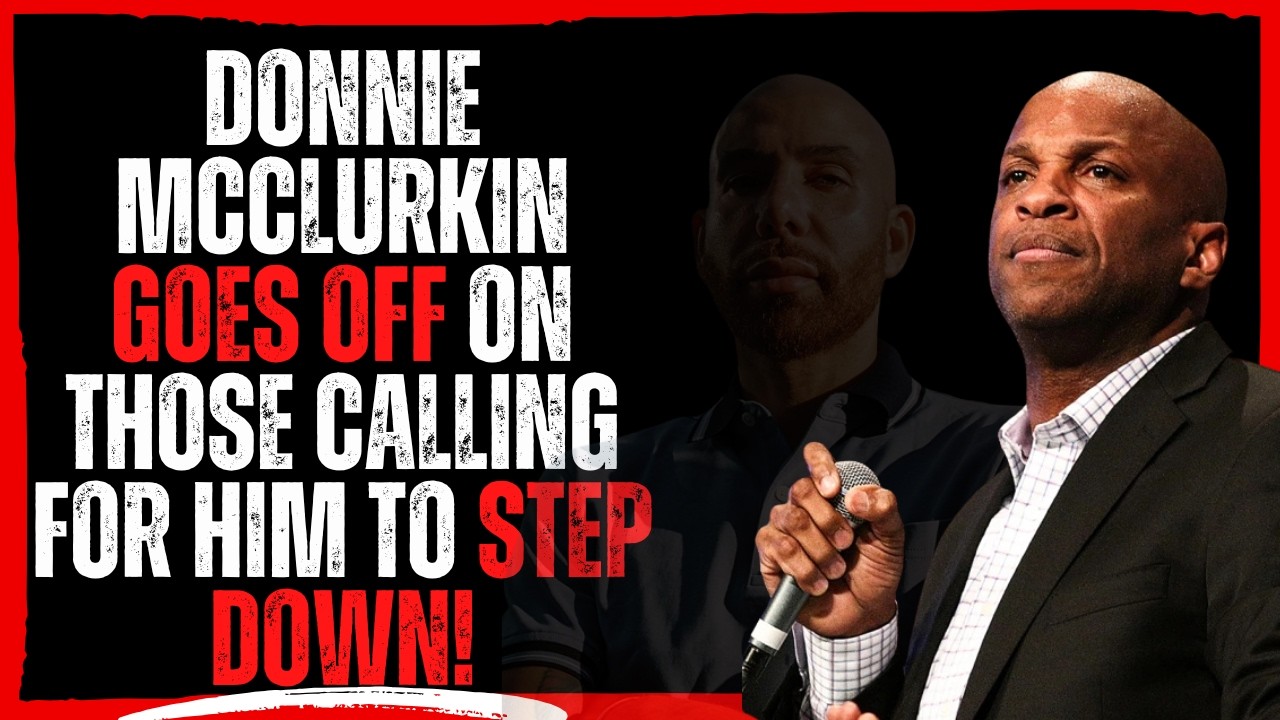
A recent sermon clip featuring Grammy-winning gospel artist and pastor Donnie McClurkin is rapidly circulating online, drawing both applause and controversy. In the viral moment, McClurkin directly addresses critics who privately urged him to step down from pastoring, responding with a pᴀssionate defense of his calling, his convictions, and his faith.
The clip begins with McClurkin recounting a message he received.
“Somebody sent me a text and said, ‘You need to sit down. You need to step down from pastoring. You need to get some mental help.’”
The congregation’s reaction is immediate—gasps, cheers, and murmurs ripple through the sanctuary. But McClurkin does not hesitate.
“Let me address you real quick,” he declares. “You ain’t talking to no punk.”
The statement is met with thunderous applause. What follows is not a retreat, but a doubling down. McClurkin insists that his leadership does not hinge on public approval or online commentary.

“You didn’t call me, and you can’t sit me down,” he proclaims. “There’s only one that can sit me down—and He’s the One who stood me up.”
The phrase becomes the anchor of the message. For McClurkin, his pastoral role is not a position granted by popular vote but a divine ᴀssignment. He emphasizes that his ministry is not fueled by fame, fortune, or platform-building, but by obedience.
“I’m not doing this for fame nor fortune. I’m doing it because I’m true to it.”
Throughout the sermon, he repeatedly returns to a phrase that once circulated widely in church culture: “I ain’t new to this—I’m true to this.” In his framing, Christianity is not cultural affiliation or national idenтιтy. It is allegiance to what he calls a “kingdom agenda.”
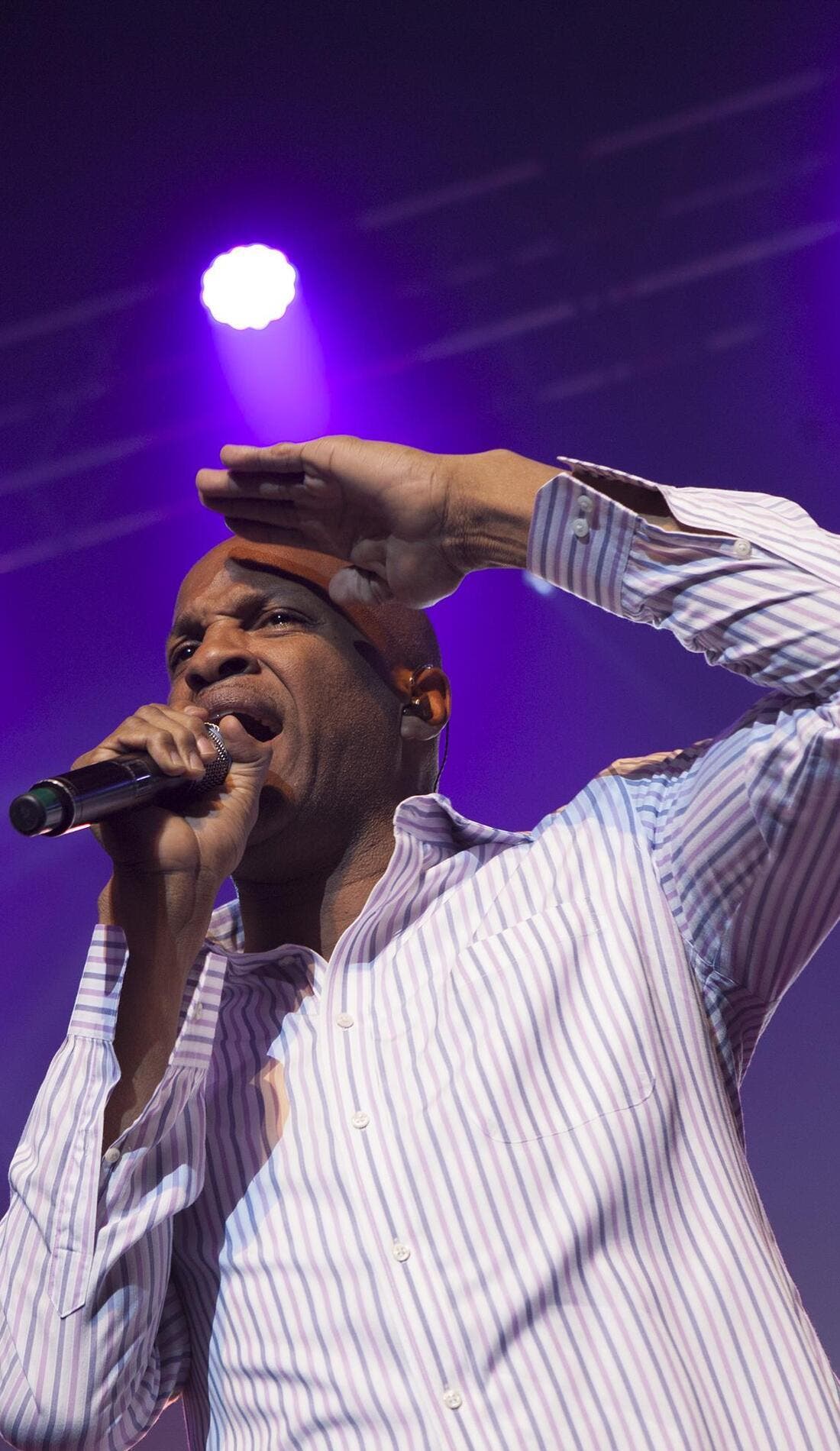
“We’re not just Christian because we go to church,” he says. “We’re true to this.”
The message quickly expands beyond personal defense. McClurkin pivots toward what he sees as a broader crisis among believers: a reluctance to speak boldly.
“This is a time where Christians have got to become true and honest,” he urges. “They’ve got to become strong. They’ve got to become empowered. They’ve got to speak truth to power.”
He clarifies that he is not speaking in strictly civic or partisan terms, but from what he describes as biblical conviction. For him, faith requires clarity about moral issues—regardless of cultural backlash.
“Right’s got to be right, and wrong’s got to be wrong,” he declares.
One of the most talked-about portions of the sermon involves his remarks on abortion. McClurkin states unequivocally that he believes abortion is wrong, except in cases where the mother’s life is in danger. He insists that his stance is rooted not in party politics, but in scriptural principle.
“We’re not saying this out of partisanship,” he says. “We’re saying this out of a biblical principle.”
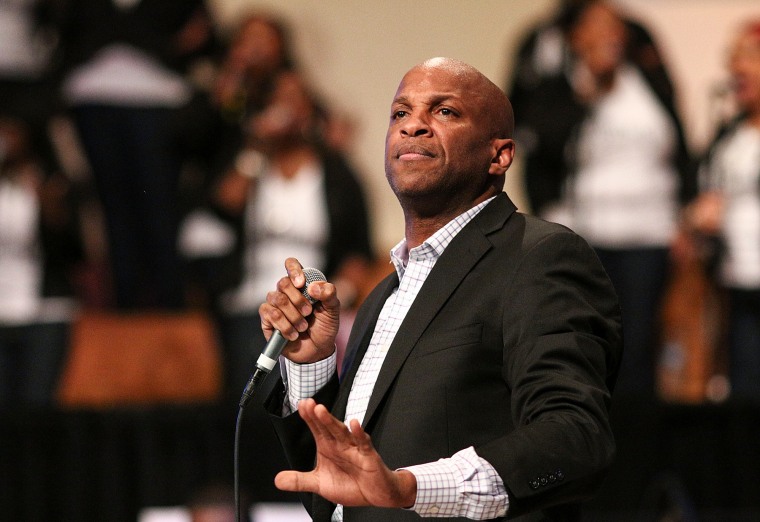
Those remarks, combined with his forceful delivery, have fueled intense online discussion. Supporters praise his unwavering commitment to his beliefs and his refusal to be silenced. Critics argue that his tone and framing escalate already sensitive issues. As with many public faith leaders, the reaction has been sharply divided.
McClurkin also references another grievance: the racist depiction of Barack and Michelle Obama as monkeys during Black History Month. By calling it “wrong,” he frames moral clarity as consistent across issues—whether confronting cultural sin, political matters, or racial disrespect.
The sermon crescendos with imagery of spiritual warfare. He speaks of carrying his “sword,” treading on “serpents and scorpions,” and standing firm against the enemy. The language is intense, metaphorical, and steeped in biblical symbolism.
“I’m not backing off from Jesus,” he shouts. “I will live for this. I will die for this. I am true.”
For longtime followers of McClurkin, the fervor is not surprising. He has long been known for emotional preaching and bold testimony, often blending music, exhortation, and confrontation in a single service. But in today’s digital age, where sermons are clipped into seconds-long viral moments, such declarations travel far beyond church walls.
The larger question raised by the viral clip is one that many faith communities are wrestling with: How should spiritual leaders respond to criticism in a hyperconnected world? When private messages become public talking points, and sermons become trending content, the line between pastoral care and public platform grows increasingly thin.
For McClurkin, the answer appears simple. His authority, he insists, does not come from critics—or even supporters—but from the One he believes called him.
“You didn’t call me,” he repeats. “And you can’t sit me down.”
Whether viewed as courageous conviction or controversial defiance, the sermon has undeniably reignited conversation about leadership, accountability, and the cost of standing firm in one’s beliefs.
And as the clip continues to circulate, one thing is certain: Donnie McClurkin has made it clear he has no intention of stepping aside quietly.


