BREAKING: The Largest M4.6 in Campi Flegrei’s History — Early Warning or Just a Minor Tremor?
Residents around Campi Flegrei had barely processed the vibration under their feet when the numbers began circulating: magnitude 4.6.
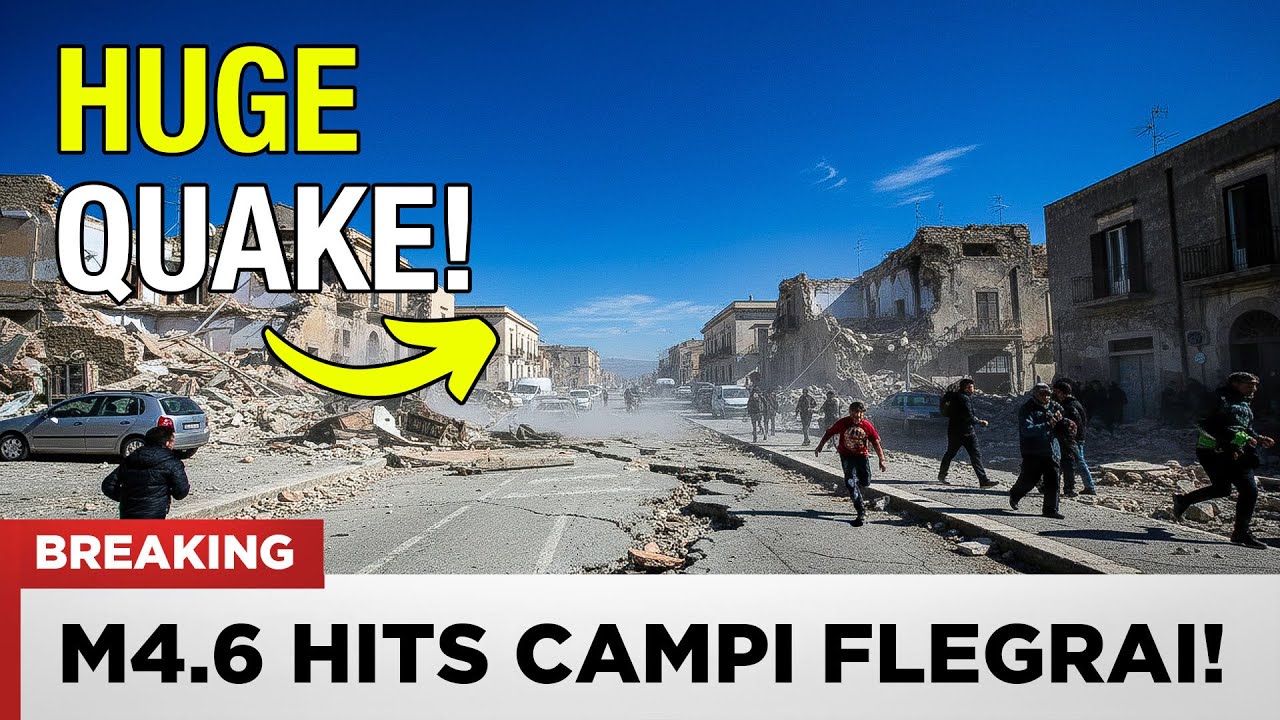
On paper, it is not catastrophic.
Globally, stronger earthquakes occur almost daily.
Yet in this corner of southern Italy, the figure carried a weight that felt disproportionate to its decimal point.
It was the strongest ever instrumentally recorded in the caldera’s modern monitoring history.
That distinction alone was enough to alter the tone of official briefings.
Windows rattled across Pozzuoli.
Car alarms flickered on and off in uneasy chorus.
Some residents stepped into the streets, scanning façades for cracks that were not there moments before.
Others remained indoors, eyes fixed on their phones, waiting for confirmation that what they felt was real.
Within minutes, seismological agencies released preliminary data: shallow depth, centered within the restless volcanic field that has long unsettled geologists.
The message was clinical.
The reaction was not.
For years, the ground at Campi Flegrei has been rising and falling in a slow, cyclical motion known as bradyseism.
Entire neighborhoods have experienced subtle elevation changes measurable in centimeters.
Roads have tilted almost imperceptibly.
Harbor levels have shifted.
These movements have been described as breathing — a geological inhale and exhale.
Scientists emphasize that bradyseism does not automatically signal an eruption.
Yet the metaphor itself implies life.
And when the “breath” becomes sharper, more forceful, people notice.
A 4.6 magnitude event in most tectonic zones might pᴀss without headlines.
Here, it is different.
Campi Flegrei is not a typical volcanic cone but a sprawling caldera, formed by colossal eruptions thousands of years ago.
Beneath its towns and vineyards lies a vast hydrothermal system intertwined with magma reservoirs whose exact configuration remains debated.
Monitoring networks track gas emissions, ground deformation, microseismic swarms.
Each dataset feeds into models.
Each model carries uncertainty.
Officials were quick to reᴀssure.
Structural inspections began.
Emergency protocols were reviewed.
Statements stressed that seismic activity in the area has intensified in recent years but remains under constant surveillance.
The phrasing was careful, almost rehearsed.
“No evidence of imminent eruption,” one authority noted.
Yet the qualifier “imminent” lingered in headlines, doing quiet work in the public imagination.
What unsettles observers is not solely the magnitude but the trajectory.
Over the past decade, the frequency of tremors has increased.
Swarms of minor quakes have punctuated otherwise calm weeks.
Gas emissions, particularly carbon dioxide, have fluctuated.
The ground uplift has accelerated at intervals, then stabilized, then resumed.
Each shift can be interpreted in multiple ways: pressure release, magma movement, hydrothermal adjustment.
The science is complex.
The optics are simpler.
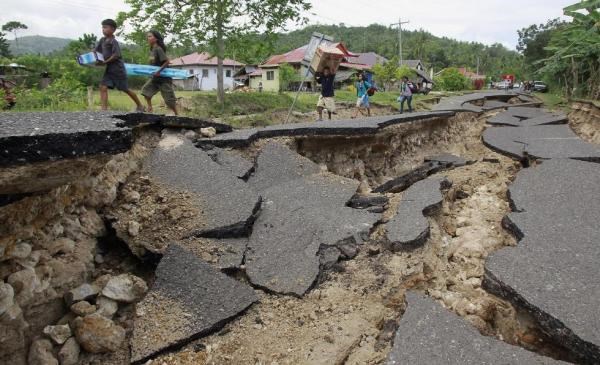
Activity appears to be trending upward.
Social media amplified the tremor within seconds.
Videos of shaking chandeliers and trembling shelves spread rapidly.
Some users invoked apocalyptic language.
Others accused authorities of minimizing risk.
A smaller group insisted the quake was merely statistical noise.
The polarization was predictable.
In the absence of certainty, narratives compete.
Geologists interviewed in the hours after the quake maintained composure.
A magnitude 4.6, they explained, reflects energy release along faults within the caldera’s crust, potentially linked to pressurized fluids rather than direct magma ascent.
Such events, they argued, can relieve stress.
Stress relief, in theory, reduces eruption probability in the short term.
But the same data can be read differently.
Increased fracturing may also create new pathways for magma migration.
That possibility remains speculative, yet it cannot be dismissed.
The memory of past volcanic crises shadows every discussion.
In the early 1980s, bradyseismic uplift forced the evacuation of thousands from Pozzuoli after hundreds of tremors unsettled the region.
No eruption followed, but the disruption left scars.
Property values shifted.
Confidence eroded.
The current episode, while less extreme, reopens old questions: At what threshold does caution become alarm? At what point does reᴀssurance become complacency?
Some researchers argue that Campi Flegrei’s greatest hazard is not a dramatic, explosive eruption but a gradual escalation of seismicity and gas emissions that destabilizes infrastructure over time.
Buildings not designed for persistent tremors may weaken.
Underground utilities may strain.
Psychological fatigue can set in among residents who live in perpetual anticipation.
A community can erode long before lava appears.
The caldera’s history adds an almost mythic dimension to the anxiety.
Tens of thousands of years ago, eruptions here were powerful enough to spread ash across continents.
Those cataclysms shaped landscapes and climates.
Modern monitoring suggests that such super-eruptions are extraordinarily rare.
Still, the geological record exists.
It cannot be erased.
When the strongest quake ever recorded strikes, even if modest by global standards, it resonates against that backdrop.
Authorities emphasize preparedness over panic.
Evacuation plans have been updated.
Communication channels are tested regularly.
Scientists continue to analyze gas ratios, thermal anomalies, satellite-based deformation data.
They speak in probabilities and margins of error.
Yet the public often hears something else: that despite decades of study, the subterranean architecture of Campi Flegrei remains partly opaque.
Models are refined constantly because new data alter ᴀssumptions.
Knowledge evolves.
Certainty does not.
The latest quake occurred at a time when the caldera had already been experiencing a cluster of smaller tremors.
Some seismologists describe it as the logical peak of an ongoing swarm.
Others caution that labeling any event as a “peak” may be premature.
Swarms can fade quietly.
They can also intensify.
The pattern following this 4.6 will be scrutinized closely.
If aftershocks diminish, the narrative may pivot toward stabilization.
If they persist or escalate, pressure will mount — scientifically and politically.
Economically, the stakes are high.
The Campi Flegrei area sits near densely populated zones and critical infrastructure.
Tourism in the broader region depends on perceptions of safety.
Real estate markets react quickly to seismic headlines.
Insurance policies are reᴀssessed.
Every tremor carries financial reverberations alongside geological ones.
There is also the intangible factor: trust.
Public faith in insтιтutions determines whether official guidance calms or inflames.
If future quakes occur, comparisons will be drawn to this record-setting 4.6.
It will become a benchmark, a reference point in local memory.
“Stronger than the big one” or “not as bad as last time.” The language is already forming.
Some experts privately acknowledge that the caldera’s behavior in recent years challenges earlier ᴀssumptions that activity would gradually subside.
Instead, uplift has resumed after pauses, suggesting a system that is dynamic rather than linear.
Whether that dynamism trends toward eruption or toward prolonged unrest remains unknown.
Geological systems operate on timescales that defy electoral cycles and news cycles alike.
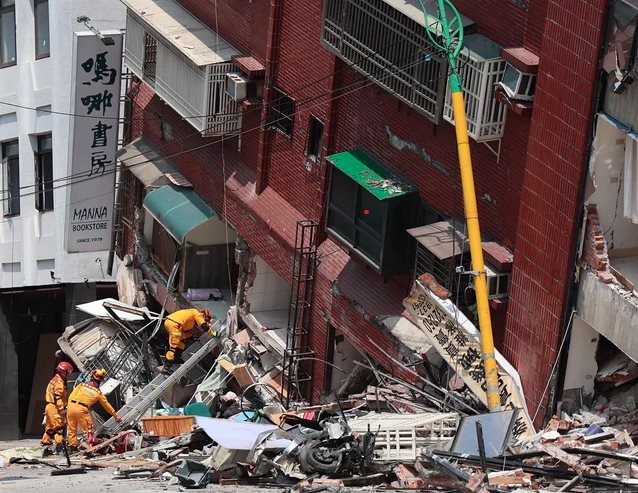
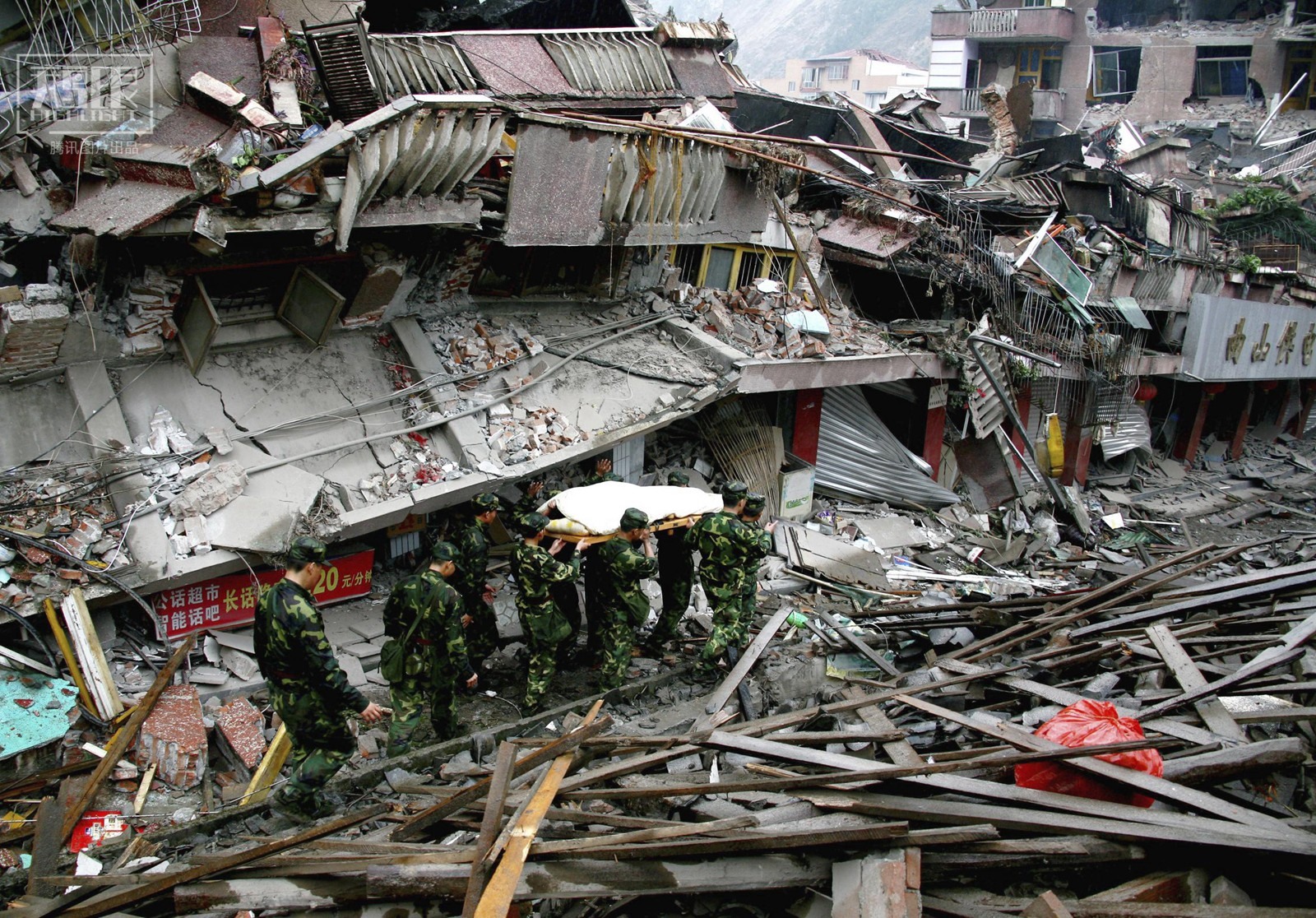
In the immediate aftermath, structural damage appears limited.
That fact may reᴀssure some.
Yet the absence of visible destruction does not neutralize unease.
Seismic records show a clear spike.
The graph does not lie.
Interpretation, however, remains contested.
A single tremor does not dictate destiny.
History is filled with volcanic systems that roared with earthquakes and then quieted for decades.
It is also filled with eruptions preceded by sequences that, in retrospect, seemed obvious.
The difficulty lies in distinguishing between noise and signal in real time.
As night falls over the caldera, monitoring instruments continue to hum.
Gas sensors measure invisible plumes.
GPS stations track millimeters of motion.
Data streams into control rooms where analysts compare today’s readings to yesterday’s, last month’s, last year’s.
The work is meticulous, unglamorous, relentless.
Whether the M4.6 quake will be remembered as a footnote or a prelude remains uncertain.
It may mark the crest of a cycle already waning.
Or it may represent the opening line of a longer chapter not yet written.
For now, Campi Flegrei is quiet again — at least on the surface.
Beneath it, pressures adjust in darkness, indifferent to headlines and hashtags.


