Global Shockwaves as Allegations Surface of U.S.Intelligence Role in Coordinated Hit Inside Iran Amid Rising Tensions with Israel!
New details have emerged about the joint U.S.–Israeli operation that resulted in the death of Iran’s Supreme Leader, Ayatollah Ali Khamenei, as part of a coordinated airstrike on Tehran.
According to accounts from officials familiar with the planning and execution of the mission, the U.S. Central Intelligence Agency (CIA) played a pivotal role in identifying the timing and location that made the strike possible — including pinpointing a rare high-level meeting of Iranian leadership within Khamenei’s fortified compound.
In the months leading up to the attack, American intelligence agencies had tracked Khamenei’s movements and patterns of behaviour, building a detailed understanding of how his security apparatus operated.
This long-term surveillance effort was part of broader national security work concerning Iran’s leadership activities amid rising tensions with the United States and its allies.
The CIA’s focus on tracking Khamenei and other senior officials intensified as diplomatic negotiations faltered and concerns grew over Iran’s nuclear ambitions, missile development, and regional influence.
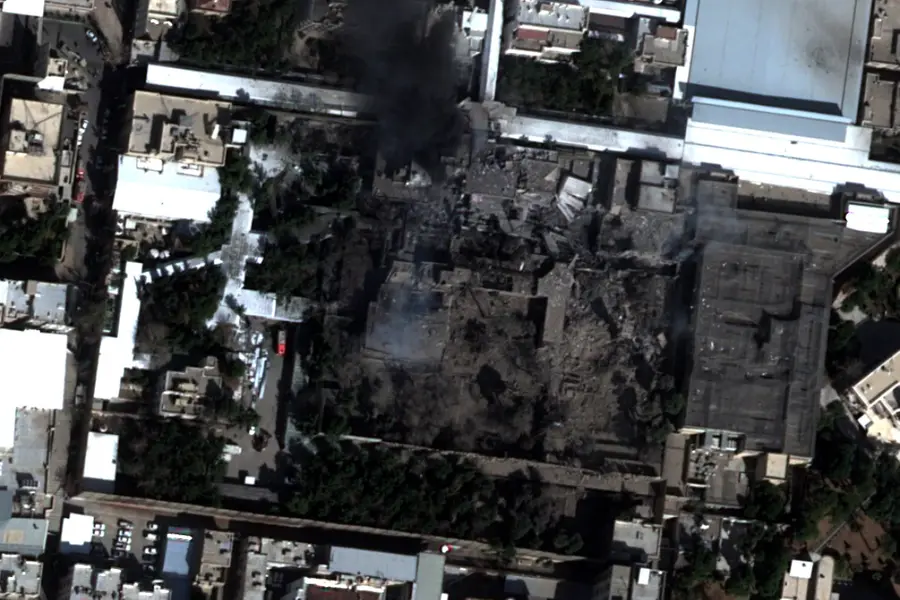
According to details shared by people briefed on the operation, U.S.analysts eventually learned that Khamenei and several of Iran’s top military and political figures were planning to gather at a leadership compound in central Tehran one morning.
This information was described as “high-confidence intelligence,” meaning that analysts were reasonably certain of the meeting’s timing, location, and the attendance of high-ranking officials.
It was this intelligence — rather than raw speculation — that allowed operational planners on both sides to ᴀssess a critical window of opportunity.
Originally, U.S.and Israeli military planners had considered launching strikes at night, under conditions of darkness that typically offer greater tactical cover.
However, once the CIA’s report about the leadership meeting was received, officials revised the timing of the operation.
The presence of Khamenei and other key figures at the same location at a predictable hour presented a rare chance to eliminate multiple top decision-makers simultaneously.
The intelligence was shared with Israeli counterparts, who had been preparing for a potential strike on Iran’s leadership for some time.
Israeli defence planners, working closely with U.S.partners, ultimately determined that the operation should proceed the following morning, adjusting aircraft schedules, ordnance delivery, and flight paths to synchronise with the tip-off from CIA analysts.
On the morning of the operation, fighter jets and long-range munitions were deployed against the compound in Tehran.
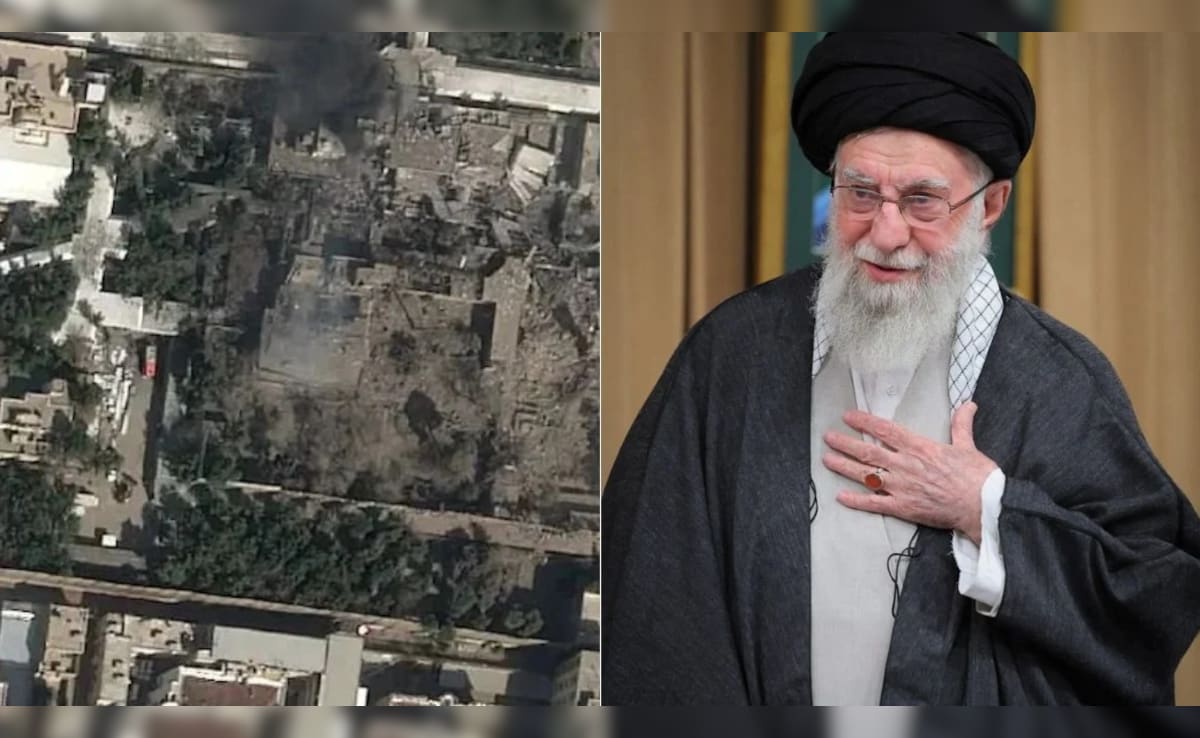
Strikes hit multiple buildings within the complex, including the one where Khamenei was located.
Other senior Iranian military leaders were also killed during the attack.
Iranian officials later confirmed Khamenei’s death, marking an extraordinary escalation in hostilities between Tehran and Western military forces.
The intelligence cooperation in this operation was described by officials as “deep and long-standing,” reflecting years of shared ᴀssessments between American and Israeli agencies about strategic threats emanating from Tehran.
U.S.policymakers had warned for months that Iran’s leadership and nuclear programme posed significant risks, and the window of opportunity created by the CIA’s surveillance was seen as critical in influencing the final decision.
While details about the CIA’s involvement were not formally acknowledged by U.S.government spokespeople, people familiar with the situation said the agency’s work gave planners the confidence to proceed with the strike when they did.
A change from a night-time plan to a daylight window was considered significant; it increased the likelihood that high-value targets would be present at the site when munitions arrived.
The decision to act based on intelligence about a high-level gathering was not taken lightly.
Military and civilian leaders alike were reportedly briefed on the risks and potential consequences of such a strike, including the possibility of widespread retaliation and broader regional conflict.
Despite these concerns, U.S.and Israeli officials concluded that eliminating Khamenei and other top figures would deliver a decisive blow to the leadership structure that had guided Iran for nearly four decades.
Since the strike, Iran has responded with missile and drone attacks against military bases and allied infrastructure across the region, signalling a fierce and immediate backlash.
The killing of its supreme leader — a figure of profound symbolic and political importance — has heightened tensions to levels not seen in years.
Iran’s military leadership has vowed strong reprisals, and allied proxy groups have signalled intensified operations in support of Tehran.

Political analysts have noted that the CIA’s intelligence contribution underscores the central role that covert surveillance and information sharing play in modern military operations.
Tracking a leader like Khamenei — whose movements are typically shrouded in secrecy — requires extensive resources, human intelligence, and technological monitoring.
That such intelligence could be translated into an actionable operational window reflects a level of cooperation between U.S.and Israeli security services that had been building over years of shared strategic concerns.
At the same time, the operation has prompted debate within diplomatic and strategic circles about the consequences of using targeted intelligence in such a direct and lethal way.
Supporters of the action argue that the elimination of Khamenei removes an antagonist with a long record of regional violence and anti-Western posturing.
Critics warn that the removal of a entrenched leader, particularly without clear communication on long-term diplomatic goals, could accelerate instability and empower even more hardline factions within Iran’s power structure.
Indeed, prior to the operation, some U.S.intelligence ᴀssessments had considered the possibility that if Khamenei were to be killed or incapacitated, hardline elements within the Islamic Revolutionary Guard Corps (IRGC) might rise to power, potentially intensifying Iran’s confrontational posture.
These ᴀssessments did not offer certainty but outlined plausible scenarios to help policymakers anticipate potential outcomes.
In the wake of the strike, attention has turned not only to the immediate military response but also to the broader implications for regional politics.
Countries in the Gulf Cooperation Council, as well as global powers with interests in Middle Eastern stability, have engaged in emergency consultations.
The United Nations Security Council has been convened to address the crisis, and world leaders are evaluating options to prevent further escalation that could draw in major powers or destabilise international energy markets.
For all its strategic calculation, the operation’s reliance on refined intelligence underscores a fundamental reality of modern conflict: information can be as decisive as firepower.
The ability to detect, verify, and act on information about top leadership movements transformed a distant possibility into a precise military outcome.
As the dust settles over Tehran and conflicting narratives unfold on the world stage, one aspect of the operation’s design — the central role of CIA-provided intelligence — stands at the forefront of discussion among military analysts, policymakers, and observers of global security.
Whether this approach will reshape future engagements remains an open question, but its impact in this moment is unmistakable.


