Shocking Images Of Hawaii’s EXTREME Historical Flood – $1 Billion In DAMAGES, Wahiawa Dam FAILS?!
Hawaii is currently experiencing its worst flooding crisis in over two decades, a disaster that has left communities in chaos and prompted urgent evacuation orders.
The Wahiawa Dam, which holds back a staggering three billion gallons of water, has come dangerously close to failing, raising serious concerns about the safety of the surrounding towns.
In just ten days, two powerful storm systems have dumped more than 50 inches of rain across the Hawaiian Islands, wreaking havoc and destruction.
On Oahu’s north shore, floodwaters have ravaged homes, uprooted cars, and rendered every road impᴀssable.
The National Guard has been deployed to conduct rescues, with over 236 individuals, including children from a spring break camp, airlifted to safety by helicopters.

As the situation escalated, an imminent failure notice was issued for the Wahiawa Dam, which surged alarmingly from 79 feet to 85 feet in mere hours, just three feet shy of its crest.
This dam, over 120 years old and originally constructed to irrigate sugarcane fields for Dole Food Company, has been under scrutiny for its inadequate spillway since 1978.
State regulators have repeatedly warned Dole about the dam’s potential for failure, yet the company has taken little action to address the safety concerns.
Instead, Dole has suggested donating the dam to the state, effectively shifting the financial burden of repairs onto taxpayers.
As sirens blared across the North Shore and families scrambled to evacuate, Dole issued a statement claiming that the dam was “operating as designed,” a statement that many found disconcerting given the dire circumstances.
The flooding began with the arrival of a Kona low on March 10, a subtropical cyclone that reversed the typical trade winds and unleashed a deluge of tropical moisture over the islands.

For six consecutive days, this storm stalled northwest of Hawaii, causing Oahu’s highest peak to record over 26 inches of rain, while Maui’s summit gauge measured nearly 50 inches.
Honolulu shattered a daily rainfall record that had stood for 75 years, with every weather station across the state reporting new record highs.
Wind gusts reached a staggering 135 miles per hour on the Big Island, saturating the soil and leading to catastrophic flooding.
Then, as if the situation couldn’t worsen, a second Kona low hit on the night of March 19, further complicating rescue efforts and evacuation plans.
By early Friday morning, the Honolulu Department of Emergency Management was sending out urgent alerts, advising residents to seek higher ground.
As the dam’s water level climbed perilously close to the evacuation trigger, the city issued an imminent failure warning, urging those downstream to evacuate immediately.
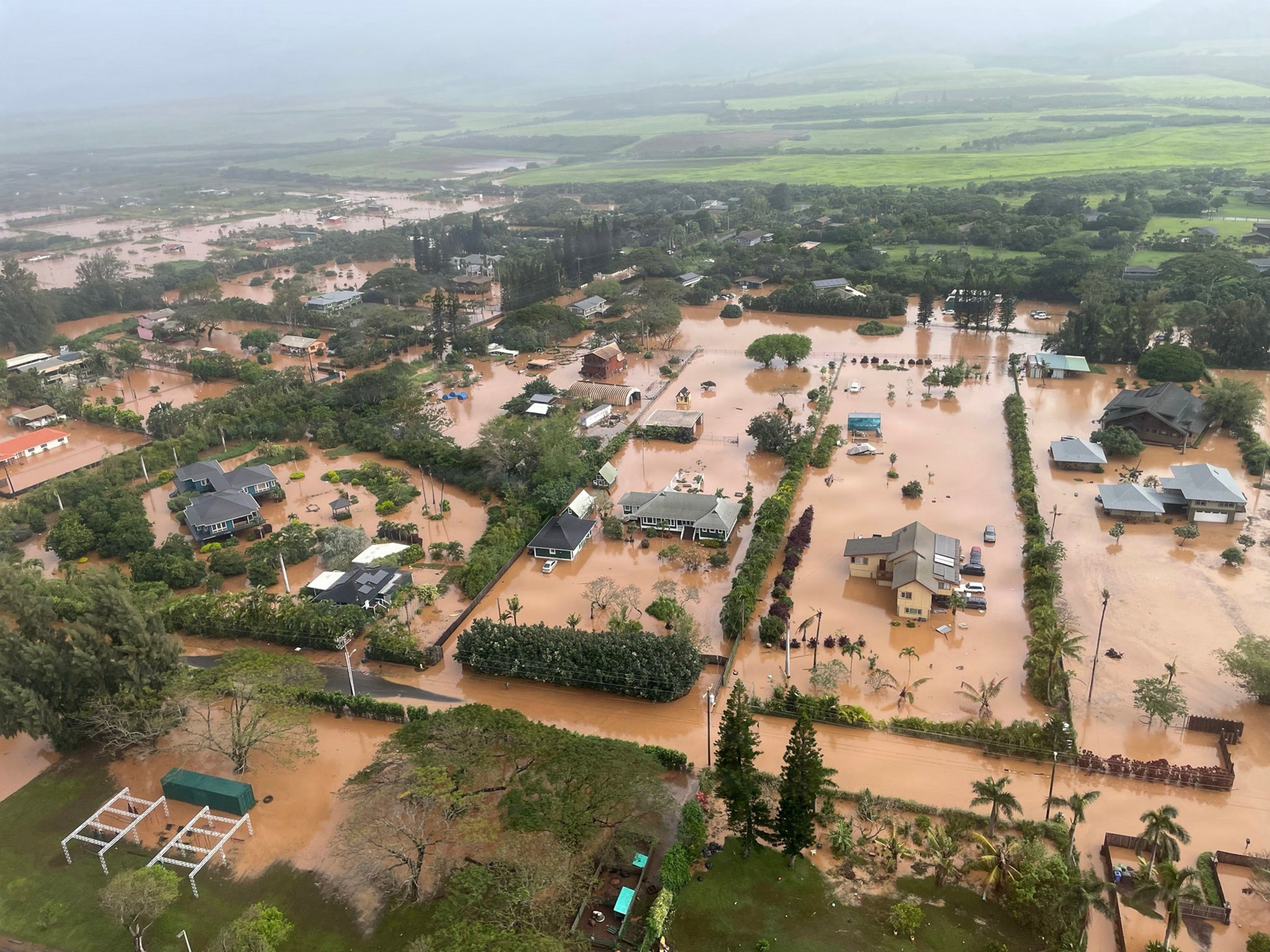
However, the main routes out of the North Shore were already submerged, leaving residents trapped in rising waters with no means of escape.
The geography of Oahu played a significant role in the flooding; the North Shore is flanked by mountains that funnel rainfall into low-lying areas, exacerbating the situation.
The Wahiawa Dam, standing 88 feet tall and constructed primarily of earth and rock, has been classified as being in poor condition, with a high hazard potential.
Despite being flagged for its undersized spillway for decades, no substantial repairs have been made, leading to a critical situation as the dam began to breach its spillway, releasing 1,500 gallons of water per second into already inundated towns.
Raquel Ashiu, a farmer from Waialua, witnessed the rapid rise of floodwaters that threatened her animals and her home.
She described the chaos in a text message to a reporter, highlighting the desperation of families who woke up to sirens and had mere minutes to grab their belongings.

Waiakea High School, which opened as an emergency shelter, itself became flooded, forcing evacuees to relocate once more.
This unprecedented disaster has drawn comparisons to the last dam breach in Hawaii in 2006, when the Ka Loko Dam collapsed, resulting in the tragic loss of seven lives.
The owner of that dam faced legal consequences, raising questions about accountability for Dole Food Company, which has repeatedly ignored safety notices regarding the Wahiawa Dam.
In light of the recent events, the state has pᴀssed legislation to acquire the dam, with a ᴅᴇᴀᴅline for the deal set for June 30th.
As the storm continues to test the resilience of the islands, the community is left grappling with the aftermath of destruction, with reports of significant damage to homes and infrastructure.
The floodwaters have left over 6,400 customers without power, and a boil-water advisory has been issued due to contamination from flooded homes.
On Maui, the situation is equally dire, with neighborhoods that were devastated by wildfires in 2023 now facing the threat of flooding.
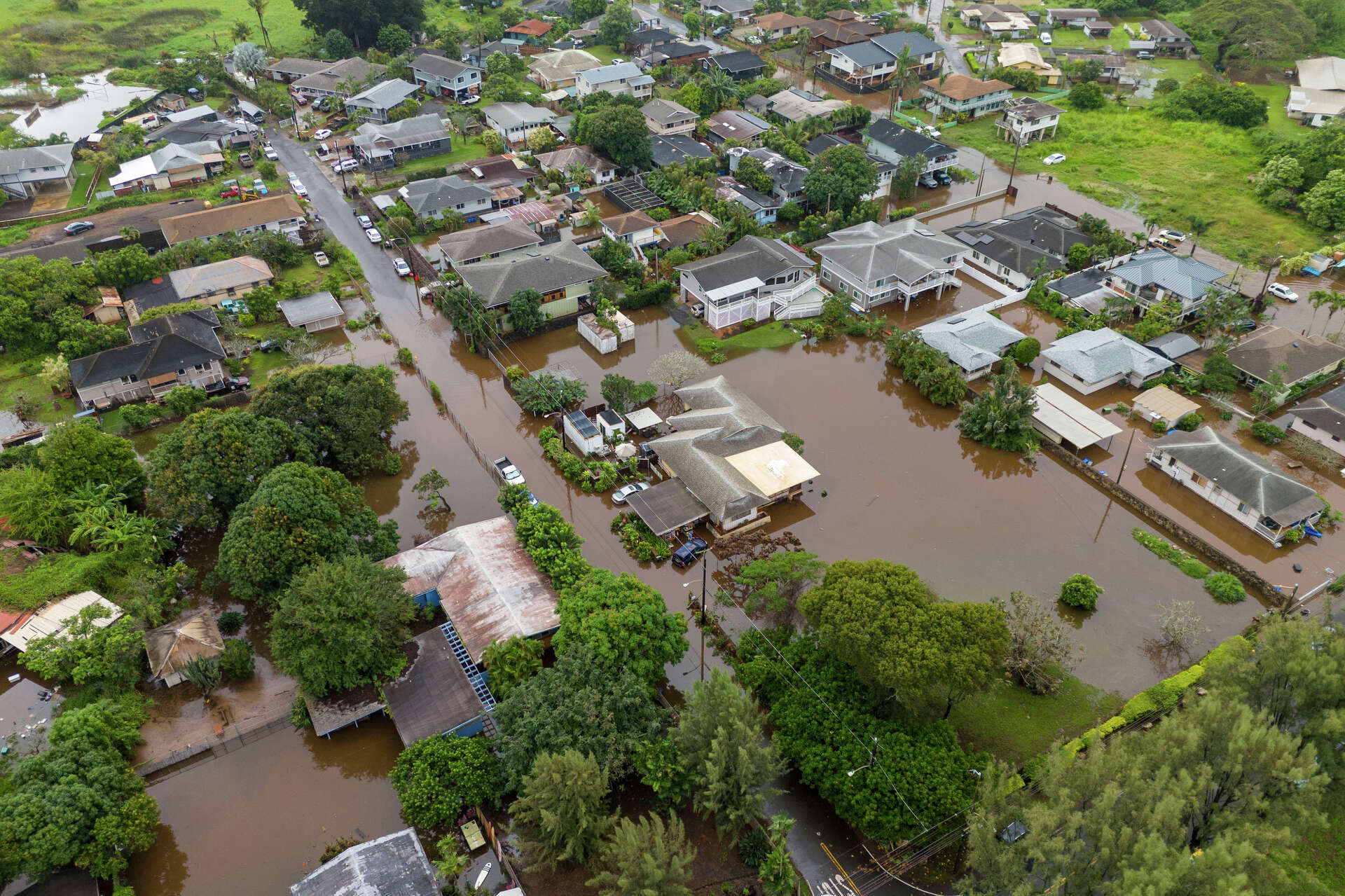
Crews are working tirelessly to pump water from retention basins that are nearing capacity, while evacuation warnings have been issued for areas at risk of flooding.
The community that suffered a devastating fire is now at risk of drowning, highlighting the compounded challenges faced by residents.
As search efforts continue for a missing 71-year-old woman swept away in the raging waters, the state remains under a flood watch, with more rain forecasted.
Meteorologists are cautioning residents not to let their guard down, emphasizing that the potential for further flooding remains high.
The looming question is not if another storm will strike, but rather what will happen to the aging Wahiawa Dam when it does.
With its history of negligence and the increasing frequency of extreme weather events, the safety of the communities below hangs in the balance, as they await the state’s promised intervention by June.
Dole maintains that the dam is stable, but with billions of gallons of water still held back, the threat of disaster continues to loom ominously over the island chain.


