The Democratic Party is entering a period of visible internal tension, but the situation is far more layered than a simple “civil war” narrative.
What is happening is a familiar cycle in American politics: a struggle between ideological direction and electoral strategy, now playing out more publicly as the party looks ahead to 2026 and 2028.
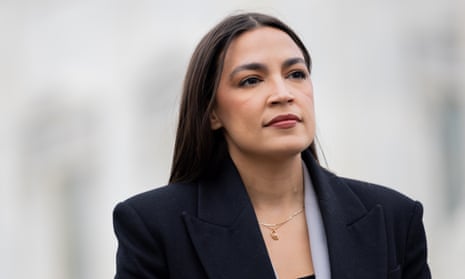
At the center of this conversation are figures like Alexandria Ocasio-Cortez and Bernie Sanders, who represent the progressive wing of the party.
They have built strong national profiles, particularly through grᴀssroots fundraising and digital engagement.
Their influence is real, especially among younger voters and activist circles.
However, influence inside a coalition does not always translate into consensus about leadership at the national level.
Reports from outlets like Politico and others have highlighted ongoing debates among Democratic strategists, donors, and think tanks—particularly centrist groups like Third Way—about how the party should position itself in future elections.

These discussions are not new.
For years, Democrats have wrestled with how to balance progressive policy goals with the need to win compeтιтive races in swing districts and battleground states.
The concern from more moderate or establishment-aligned Democrats is largely electoral.
In closely contested districts, messaging and candidate positioning can significantly affect outcomes.
Some strategists argue that certain progressive proposals or rhetoric may be more difficult to defend in purple or conservative-leaning areas.
Others strongly disagree, arguing that bold policies energize voters and expand turnout.
This tension reflects a broader strategic divide rather than a coordinated effort to “block” specific individuals.
Party nominations, especially for president, are ultimately decided through primaries where voters—not party elites alone—play the decision role.

While insiders can influence narratives, fundraising, and endorsements, they cannot unilaterally prevent candidates from running or gaining support.
Polling data is often cited in these debates, including generic ballot numbers.
A tied or close generic ballot can signal a compeтιтive environment, but it does not by itself determine outcomes.
Election results depend on many factors: candidate quality, turnout, economic conditions, and campaign strategy.
Both parties routinely interpret the same data differently to support their internal arguments.
The discussion around Texas is another example of strategic disagreement.
Some Democrats view Texas as a long-term opportunity due to demographic changes and urban growth.
Others see it as a costly and difficult battleground where resources might yield better results elsewhere.
This is a classic allocation debate—whether to invest heavily in high-risk, high-reward races or focus on more attainable targets.
Similarly, references to past candidates like Beto O’Rourke or Stacey Abrams often come up in these conversations.
They demonstrated strong fundraising and national attention but ultimately fell short in their statewide races.
For some strategists, this reinforces caution; for others, it shows the importance of sustained investment in expanding the map over time.
It’s also important to separate verified developments from exaggerations or inaccuracies.
For example, there is no confirmed evidence of a coordinated plan to formally block specific progressive leaders from future presidential runs.
Internal disagreements and strategic discussions are normal in large political parties, especially after challenging election cycles.
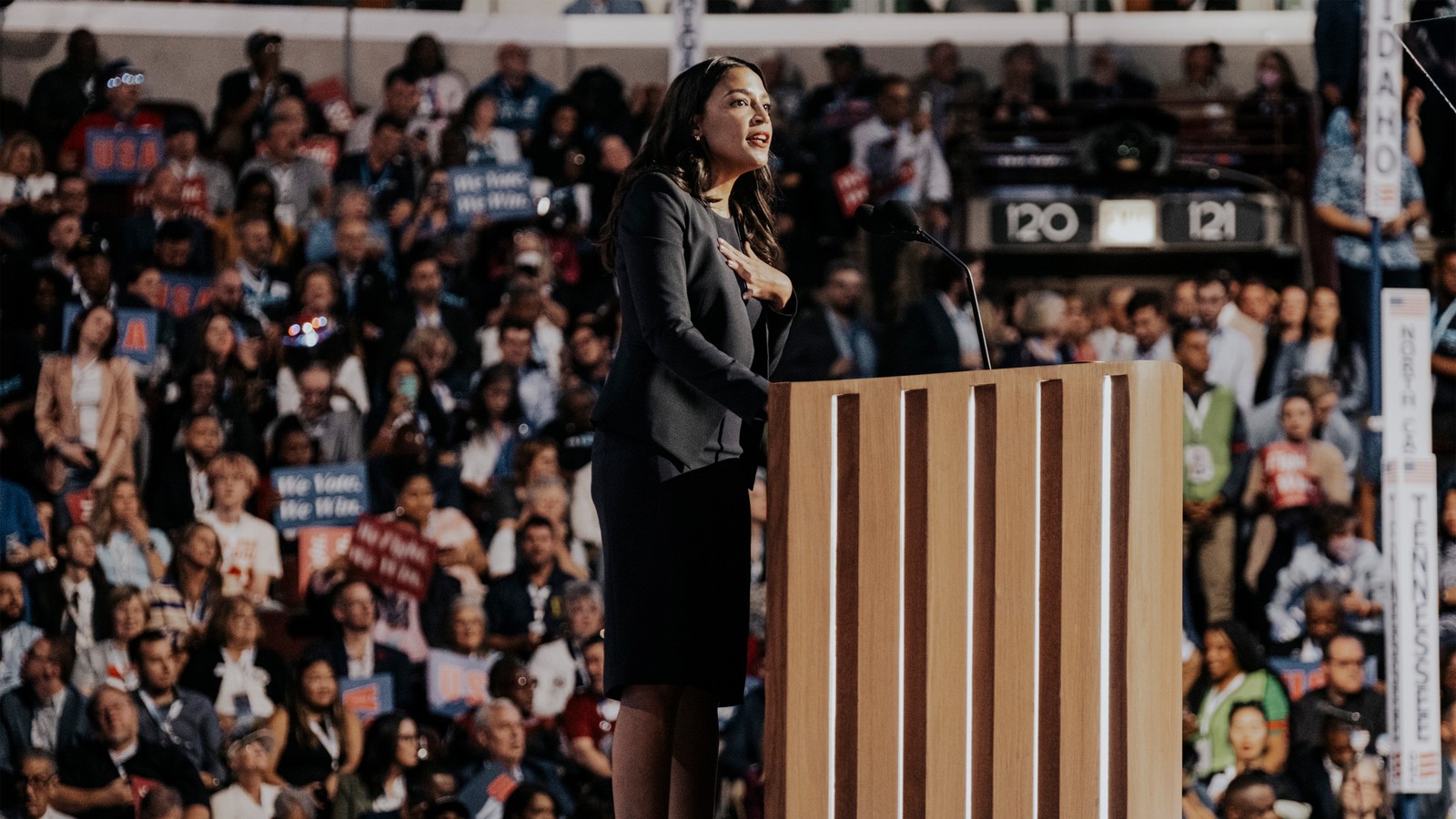
The mention of individual comments by politicians, such as Jasmine Crockett, reflects another dynamic: how messaging and rhetoric are scrutinized in a national political environment.
Statements that energize one audience can be viewed differently by another, which is why party strategists often focus heavily on tone and framing.
Ultimately, what we are seeing is not a party collapsing, but a coalition negotiating its idenтιтy.
The Democratic Party includes a wide range of viewpoints—from centrist pragmatists to progressive reformers—and tension between those groups is not unusual.
In fact, similar divisions exist within the Republican Party and have shaped its evolution over time.

As the 2026 midterms and 2028 presidential race approach, these debates will likely intensify.
The key question is not whether disagreement exists—it clearly does—but how the party manages it.
Successful coalitions typically find ways to integrate different factions, while unsuccessful ones allow divisions to weaken their overall strategy.
For voters, the outcome of this internal debate will influence candidate selection, policy priorities, and campaign messaging in the years ahead.
But it is still an open question which direction will ultimately prevail.


