In the heart of the American Southwest, a crisis is unfolding that could have dire consequences for the region and beyond.
The Hoover Dam, an iconic symbol of engineering prowess and a critical source of water and power for millions, is facing an unprecedented challenge.
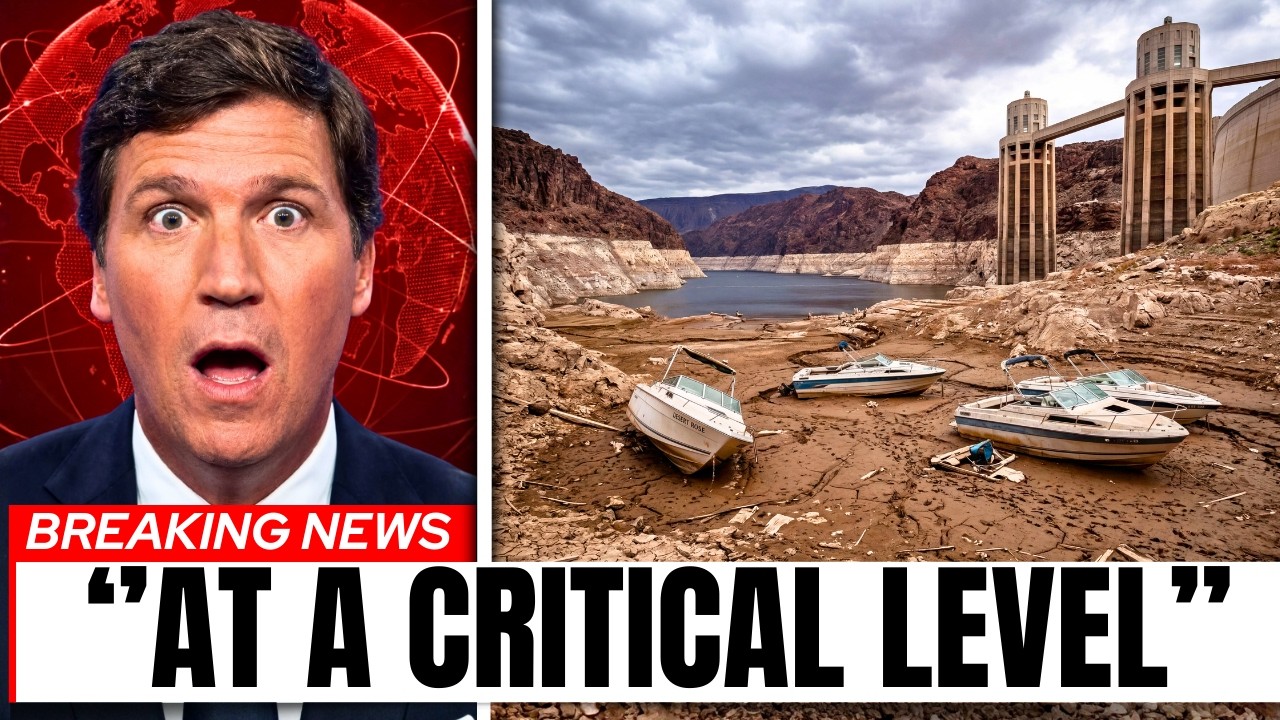
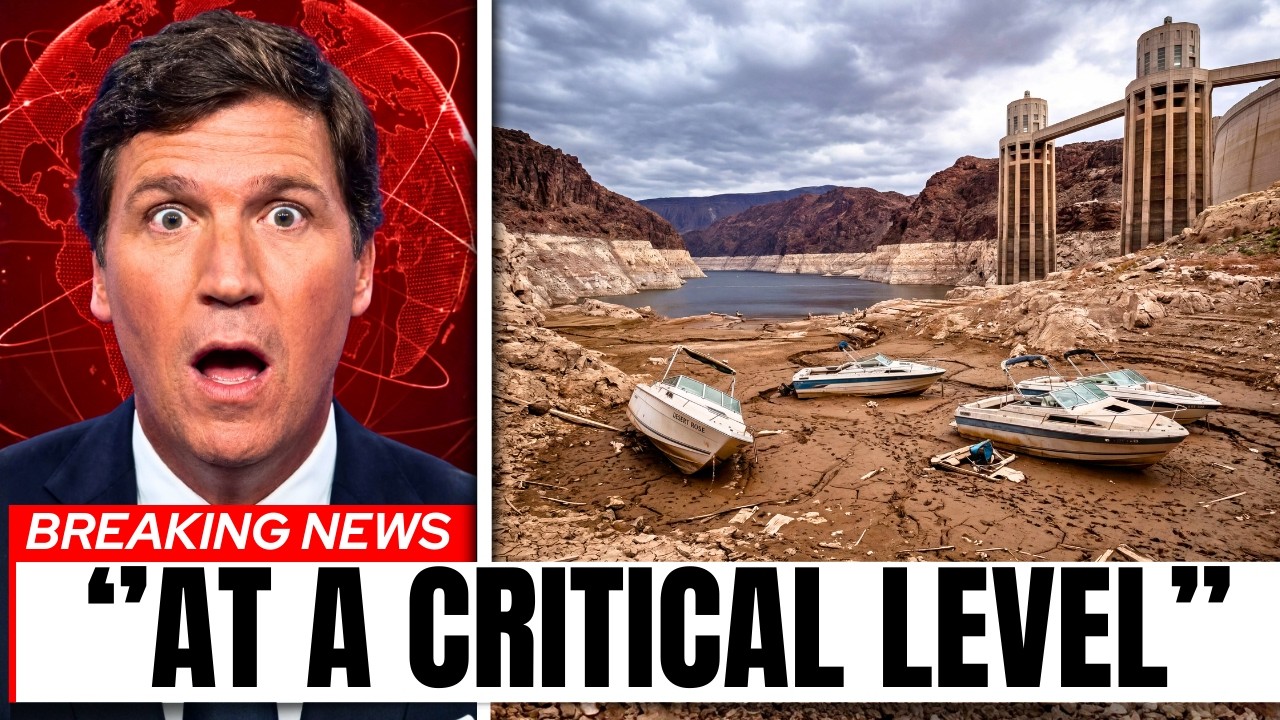
Recent reports indicate that the water levels in Lake Mead, the reservoir created by the dam, have plummeted by a staggering 140 feet.
This alarming drop has left engineers and environmentalists alike in a state of shock, raising questions about the future of this vital resource.
As we delve into the details of this situation, it becomes clear that the implications extend far beyond the immediate vicinity of the dam.
The Significance of Hoover Dam
Constructed during the Great Depression, the Hoover Dam stands as a testament to human ingenuity.
It not only provides hydroelectric power to millions of residents in Arizona, Nevada, and California but also plays a crucial role in water management for agriculture and urban areas.
However, the current crisis threatens to undermine the very foundation upon which this engineering marvel was built.
Understanding the Water Level Drop
The recent decline in Lake Mead’s water levels can be attributed to a combination of factors.
Prolonged drought conditions, exacerbated by climate change, have significantly reduced the amount of water flowing into the reservoir.
Additionally, increased demand for water due to population growth and agricultural needs has further strained this critical resource.
As the water levels continue to drop, the consequences are becoming increasingly apparent.
Impacts on the Region
The implications of a 140-foot drop in water levels are profound.
For one, the reduction in water supply could lead to severe restrictions on water usage for both residential and agricultural purposes.
Farmers who rely on the water from Lake Mead for irrigation may find themselves facing crop failures, leading to economic instability in the region.
Moreover, the power generated by the Hoover Dam could also be compromised, affecting electricity supply to millions.
Engineering Challenges
Engineers are now grappling with the challenges posed by the declining water levels.
As the reservoir shrinks, the dam’s ability to generate hydroelectric power diminishes.
This has prompted discussions about the need for alternative energy sources and the potential for investing in renewable energy technologies.
Furthermore, the structural integrity of the dam itself could be at risk if water levels continue to decline.
Environmental Concerns
The environmental impact of the water level drop cannot be overlooked.
Aquatic ecosystems that depend on the reservoir are under threat, with species facing habitat loss and altered water quality.
Additionally, the drop in water levels has led to increased salinity, which can further disrupt the delicate balance of life in and around the lake.
Community Response
In light of this crisis, local communities are beginning to mobilize.
Residents are becoming more aware of the need for conservation measures and are advocating for policies that prioritize sustainable water management.
Community leaders are calling for increased education on water usage and the importance of preserving this vital resource for future generations.
Government Action
Recognizing the severity of the situation, government officials are taking steps to address the crisis.
Emergency measures are being discussed to manage water distribution and ensure that essential needs are met.
Moreover, there is a growing push for federal funding to support infrastructure improvements and enhance water conservation efforts.
The Future of Lake Mead
As we look ahead, the future of Lake Mead remains uncertain.
Will the water levels stabilize, or will they continue to decline?
This question looms large over the region, as residents and officials alike grapple with the implications of a changing climate and its impact on water resources.
Conclusion
The drop in water levels at Lake Mead is more than just a statistic; it is a wake-up call for all of us.
As we navigate the complexities of water management in an era of climate change, it is crucial that we come together to find sustainable solutions.
The Hoover Dam has stood for nearly a century as a symbol of resilience and innovation.
Now, it is up to us to ensure that it continues to serve future generations.
The time for action is now.
Let us heed the warning signs and work towards a more sustainable future for our water resources.
In doing so, we can preserve the legacy of the Hoover Dam and protect the communities that depend on it for their survival.


