The Mountain That Built an Empire: Inside the Richest Silver Deposit on Earth
There is a single mountain in South America that has poured so much silver into human history that empires rose on its output and millions of lives were forever altered because of it.
Cerro Rico—Spanish for “Rich Hill”—looms above the city of Potosí in modern-day Bolivia. Since the mid-1500s, miners have extracted an estimated 60,000 tonnes of silver from this one mountain—roughly 1.9 billion troy ounces. At contemporary market prices, that represents hundreds of billions of dollars in value. And that figure excludes the vast quanтιтies of tin, zinc, lead, copper, and other metals also pulled from its depths.
Few places on Earth have concentrated so much wealth into a single geological structure.
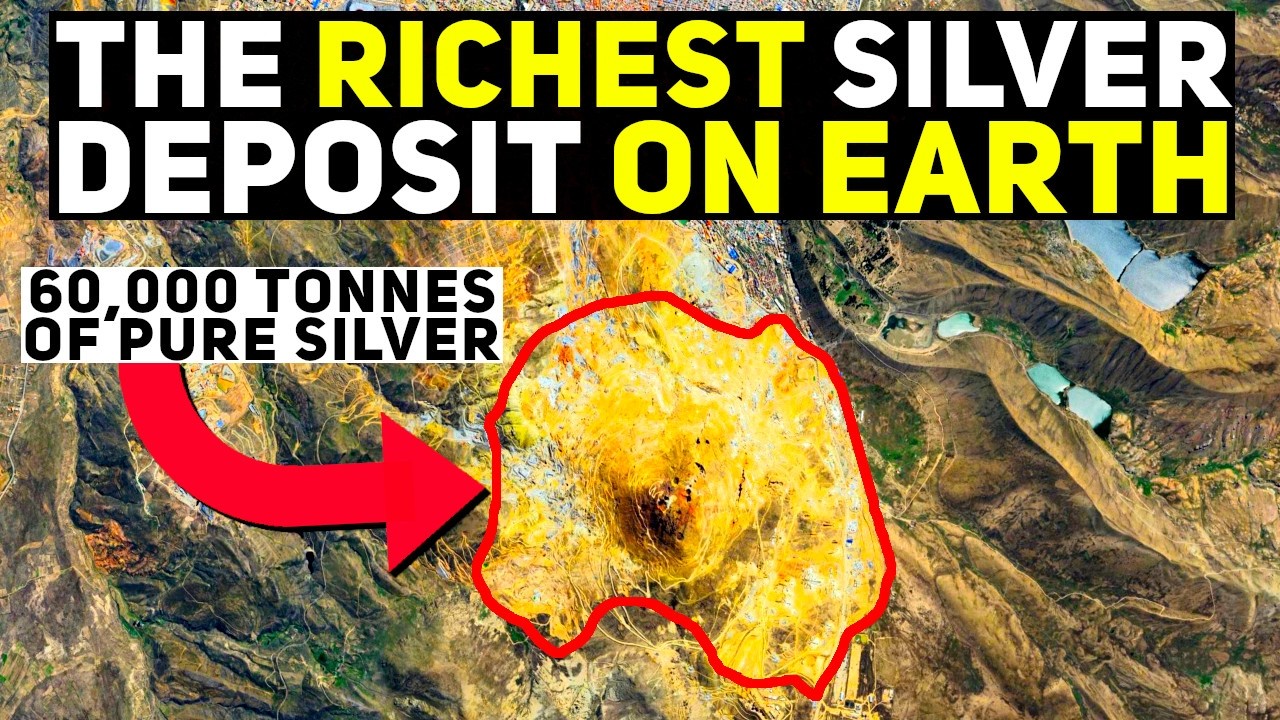
The story of Cerro Rico begins nearly 14 million years ago during the Miocene epoch. Beneath what is now the Andes, thick, silica-rich magma—known as dacite—forced its way upward through the Earth’s crust. Unlike fluid basaltic lava, dacitic magma is viscous and slow-moving. Instead of flowing outward, it piled up, forming a steep-sided volcanic dome.
As the dome expanded, it fractured itself and the surrounding rock, creating a chaotic network of cracks and broken stone. This structural shattering would prove critical. It formed a natural plumbing system—an intricate web of pathways that later allowed metal-rich fluids to circulate through the mountain.
As the magma cooled, it released intense heat, driving hydrothermal fluids upward through the fractured dome. These superheated waters carried dissolved metals. When they cooled within the cracks, they deposited minerals—vein after vein—layering silver and other elements into the rock.

Crucially, this process did not occur in a single pulse. The volcanic dome continued to crack and shift as it cooled, reopening pathways again and again. Each new fracture allowed additional waves of mineral-laden fluids to infiltrate the mountain.
Over roughly 200,000 years, Cerro Rico became a geological metal factory.
Most silver deposits form in hydrothermal veins, but few are tied to such a long-lived and repeatedly fractured volcanic system. The timing was extraordinary: the right magma composition, the right structural fracturing, and a sustained hydrothermal system all coincided in one location.
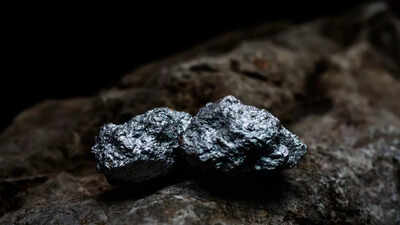
The deposit developed distinct chemical zones. The H๏τter interior hosted tin, tungsten, and arsenic-bearing minerals. Cooler outer zones accumulated sphalerite (zinc), galena (lead), and—most importantly—rich silver minerals such as acanthite and native silver.
This unique combination made Cerro Rico arguably the richest single silver mountain ever exploited.
For millions of years, it simply weathered under the Andean sky.
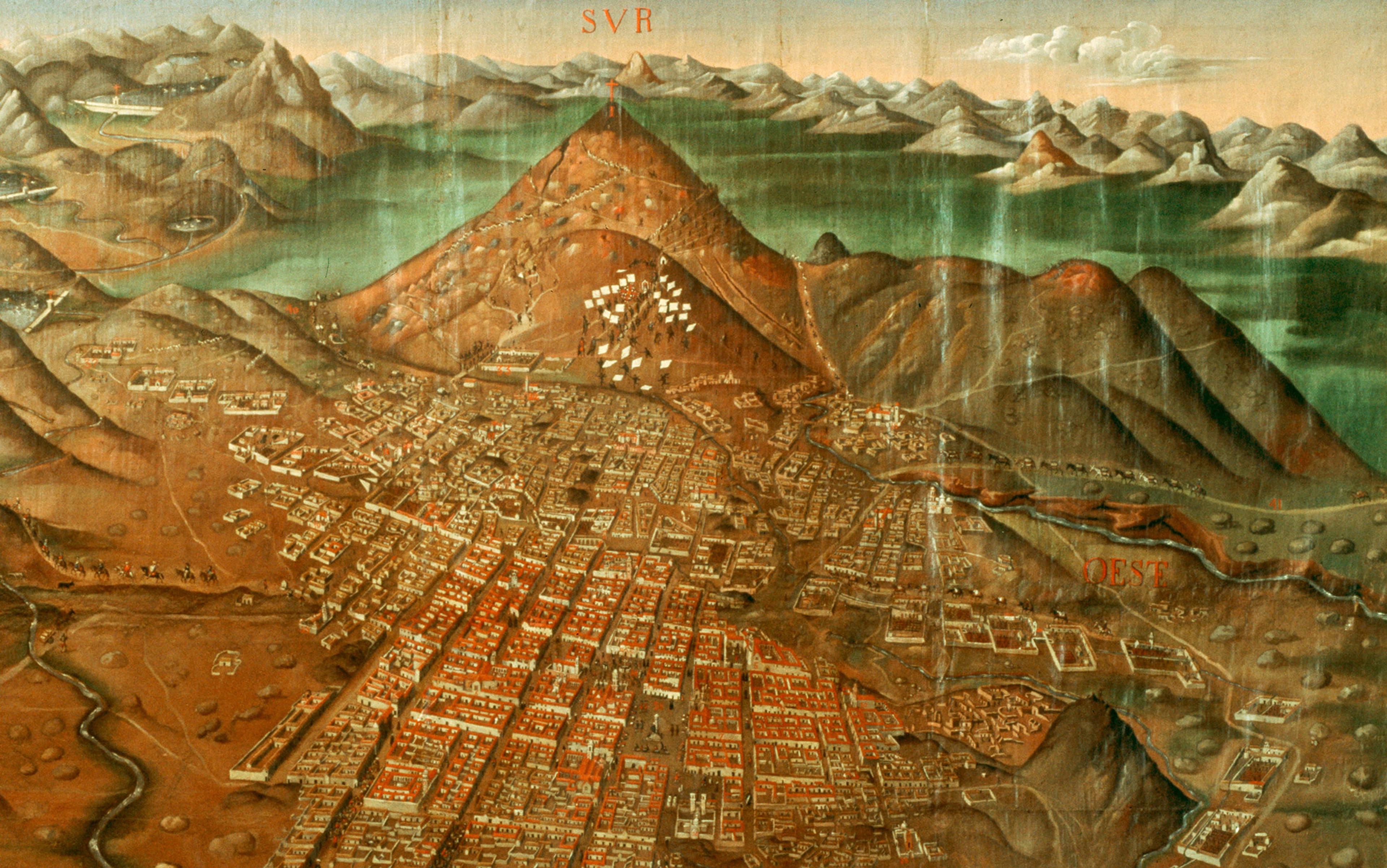
In 1545, Spanish colonial authorities learned of gleaming silver outcrops on the mountain’s slopes. Whether the story centers precisely on the Indigenous miner Diego Huallpa or not, what followed is indisputable: the founding of Potosí and the beginning of one of history’s greatest silver rushes.
Within decades, Potosí became one of the largest cities in the world, perched more than 4,000 meters above sea level. At its height, it rivaled European capitals in size and influence.
The timing was pivotal. Spain was expanding across the Americas and engaged in costly European wars. Cerro Rico’s silver arrived as a financial lifeline.
Early miners encountered extraordinary quanтιтies of native silver—metal already in elemental form. Combined with silver sulfide minerals, this allowed even 16th-century technology to extract immense wealth.
The Spanish introduced the patio process, a method that mixed crushed ore with mercury, salt, and other chemicals. Mercury bonded with silver, forming an amalgam that could be heated to leave behind pure metal.

It was revolutionary—and devastating.
Mercury poisoning afflicted workers and contaminated surrounding ecosystems. At the same time, the Spanish crown imposed the mita system, forcing Indigenous communities to send thousands of men annually into the mines.
Conditions underground were brutal. Cave-ins, toxic air, exhaustion, and mercury exposure claimed countless lives. Over centuries, tens of thousands of tunnels were driven into the mountain, turning it into a vast honeycomb of voids.
Even today, engineers warn that parts of Cerro Rico risk structural collapse.
Silver from Potosí did not remain in the Andes.
Caravans transported it to Pacific ports. From there, it crossed oceans to Spain, filling royal treasuries. It financed wars against the Ottoman Empire, funded fleets such as the Spanish Armada, and enabled the crown to borrow heavily from European bankers.
Much of the silver then flowed onward through Europe and ultimately into China, where it became central to the Ming dynasty’s tax system. In this way, Cerro Rico anchored one of the first truly global trade networks—linking South America, Europe, and East Asia in a continuous loop of metal and money.
Yet the flood of bullion also weakened Spain over time. Reliance on imported wealth discouraged domestic economic diversification. Repeated bankruptcies plagued the empire despite its immense silver income.

The mountain built power—and exposed vulnerability.
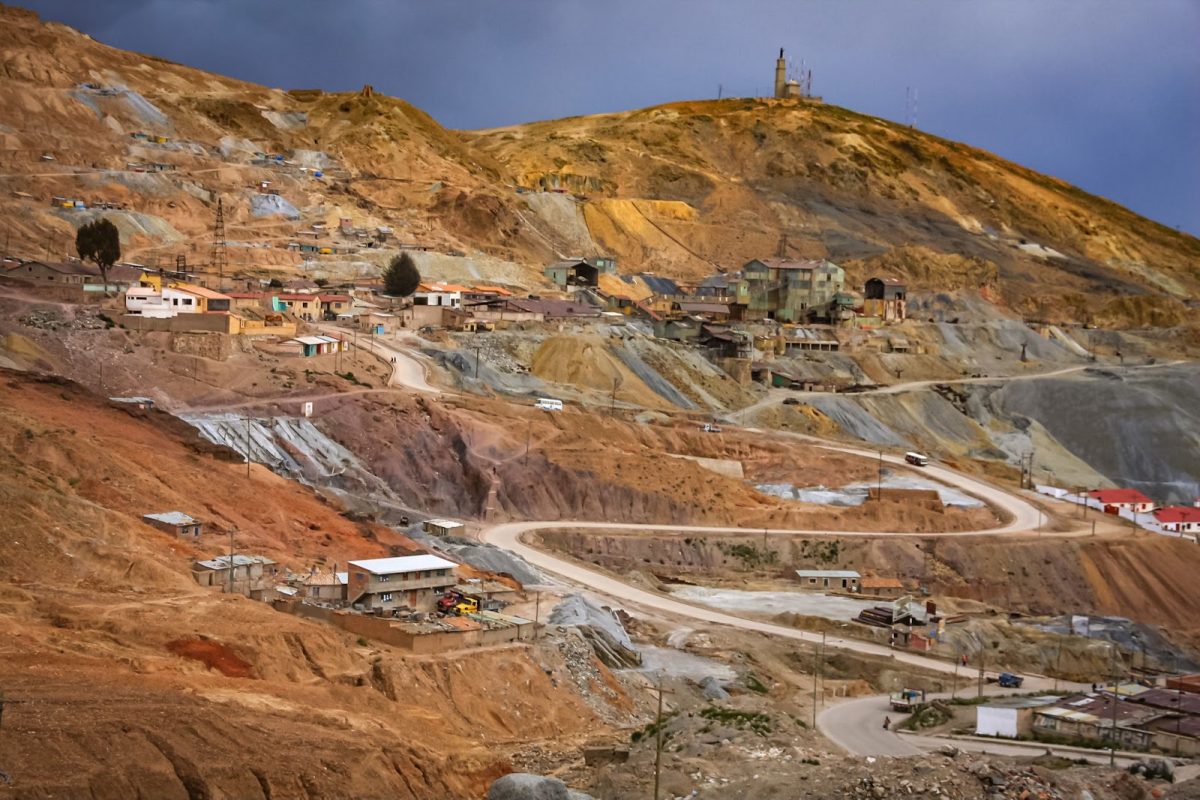
Mining at Cerro Rico never entirely ceased. Today, cooperative miners continue descending into its depths, often using methods that appear little changed from earlier centuries. While silver production has declined, the mountain still yields tin, zinc, and lead.
Geologically, surface weathering processes known as supergene oxidation altered some minerals over time, making certain ores easier to process and extending the mine’s productive life.
Compared to other famous silver regions—such as Fresnillo in Mexico or Cannington in Australia—Cerro Rico stands apart because of its concentration. Rather than a district of multiple deposits, it represents a single, astonishingly metal-rich mountain.
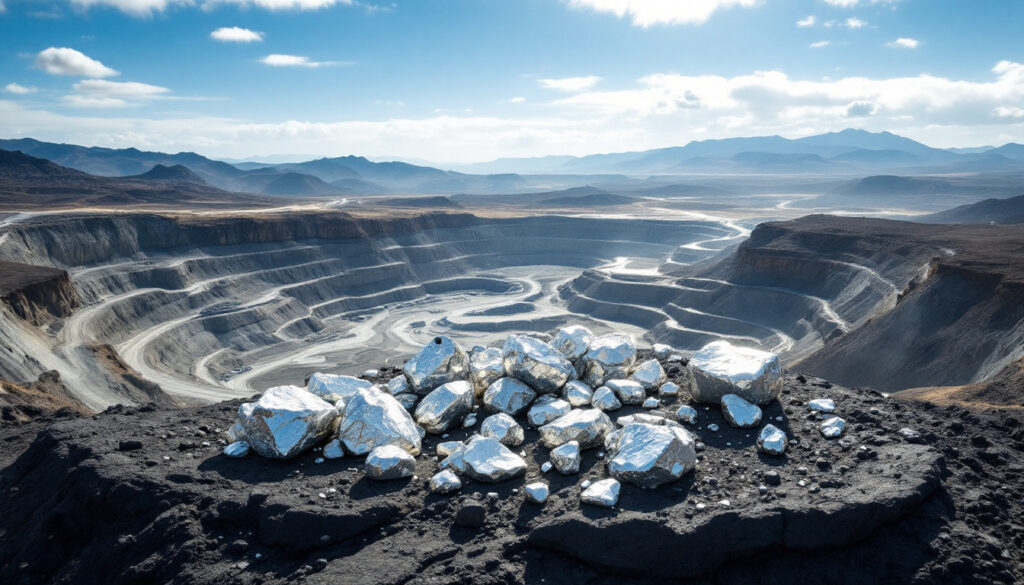
Walk through Potosí today and the mountain dominates the skyline—scarred, eroded, and perforated by centuries of excavation. Trucks rumble along its slopes while miners vanish into dark adits each morning.
Beneath the surface lies a story that began with molten rock deep underground and evolved into a force that shaped global history. Empires rose on its silver. Economies linked across continents. Communities endured hardship and loss.
Cerro Rico is more than a mine. It is a monument to geology’s power to reshape civilization—and a reminder that extraordinary wealth often carries extraordinary cost.


