In recent weeks, the Middle East has once again become a focal point of global attention.
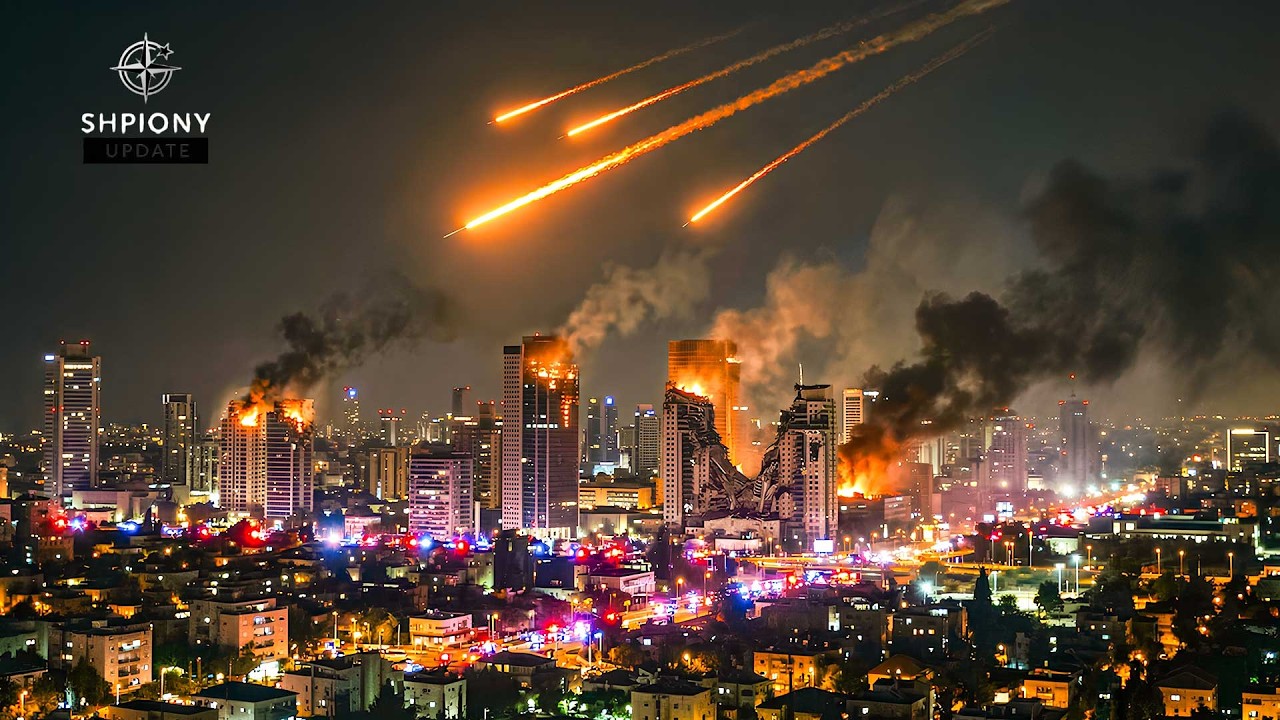
The emergence of Iran’s Fattah-2 hypersonic missile has sent shockwaves through the region and beyond.
But is this development merely about advanced weaponry, or does it signify a deeper strategic shift in the geopolitical landscape?
As tensions rise, it is crucial to dissect the implications of this missile and what it means for the broader conflict involving Iran, Israel, and the United States.
The Significance of the Fattah-2 Missile
The Fattah-2 missile represents a significant leap in Iran’s military capabilities.
This hypersonic weapon is not just about speed; it alters the strategic calculus for regional actors.
For years, Iran has been developing its missile technology, and the Fattah-2 is a testament to that progress.
Its introduction raises questions about deterrence and the balance of power in the Middle East.
Timing is Everything
The timing of the Fattah-2’s unveiling is crucial.
Iran has strategically chosen this moment amidst escalating tensions with Israel and increasing pressure from the United States.
By showcasing its advanced missile technology, Iran sends a clear message: it is not to be underestimated.
This move can be seen as a response to perceived threats from its adversaries, particularly in light of Israel’s ongoing military operations and America’s unwavering support for its ally.

Psychological Warfare: Impact on Israel
The psychological impact of the Fattah-2 on Israel cannot be overstated.
Israel has long prided itself on its technological superiority and military prowess.
However, the introduction of a hypersonic missile changes the game.
The Fattah-2’s speed and maneuverability make it a formidable threat, challenging Israel’s air defense systems.
This development forces Israeli leaders to rethink their strategic approach to national security.
The American Dilemma
For the United States, the rise of the Fattah-2 poses a strategic dilemma.
America has been a staunch ally of Israel, but the dynamics of the region are shifting.
As Iran continues to advance its military capabilities, the U.S. must ᴀssess its role and influence in the Middle East.
Will it continue to support Israel unconditionally, or will it seek a more balanced approach that acknowledges Iran’s growing power?
A Calculated Strategy of Deterrence
Many analysts argue that Iran’s actions are part of a broader strategy of deterrence.
By developing and showcasing advanced weaponry, Iran aims to deter potential attacks from its adversaries.
This strategy is not merely about military might; it is also a form of geopolitical communication.
Iran seeks to convey that it is prepared to defend itself and that any aggression will be met with a significant response.
The Role of Open Source Intelligence
The analysis surrounding the Fattah-2 is grounded in open-source intelligence.
This approach allows for a more nuanced understanding of the situation, relying on credible public sources and verified data.
As the situation evolves, it is essential to remain vigilant and critically ᴀssess the information available.

The Bigger Picture: Global Security Implications
The developments in the Middle East have far-reaching implications for global security.
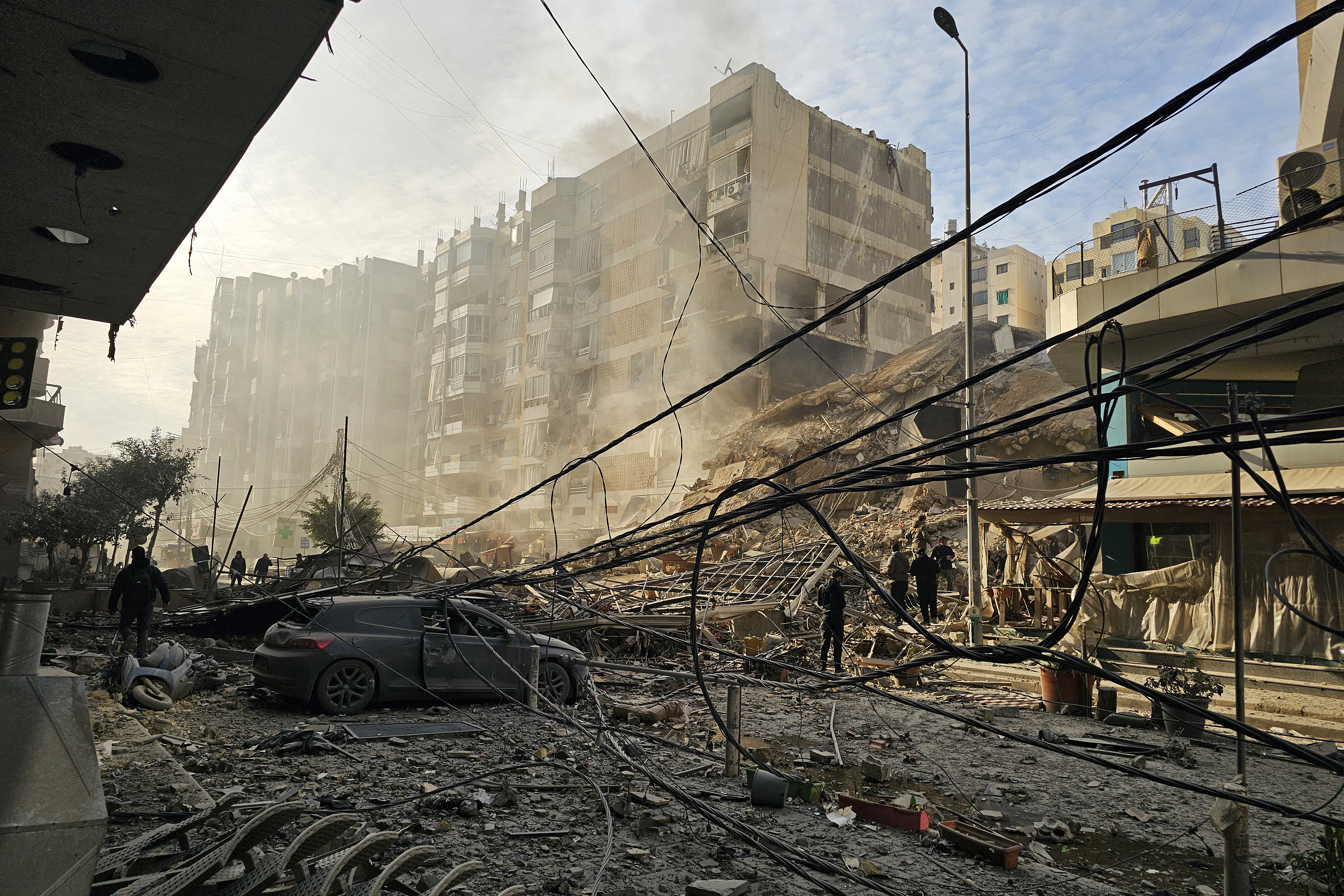
As regional conflicts escalate, the potential for miscalculation increases.
The introduction of advanced weaponry like the Fattah-2 could lead to a new arms race in the region.
Countries may feel compelled to enhance their military capabilities in response, further destabilizing an already volatile area.
A Call for Rational Analysis
In times of heightened tensions, it is vital to approach the situation with a rational mindset.
Sensationalism and propaganda can cloud judgment and lead to misguided actions.
This analysis aims to provide a clear-eyed view of the situation, focusing on strategic patterns rather than emotional reactions.
Conclusion: Rethinking Strategies
As we navigate the complexities of the Middle East conflict, it is essential to rethink our strategies and approaches.
The emergence of the Fattah-2 missile serves as a wake-up call for all stakeholders involved.
Understanding the motivations and calculations behind such developments is crucial for fostering dialogue and preventing escalation.
In a world increasingly defined by military technology and strategic posturing, the need for informed discussion has never been more critical.
By engaging with the content critically and respecting diverse perspectives, we can contribute to a more nuanced understanding of global conflicts.
This article aims to provide an analytical perspective on the rising tensions in the Middle East, focusing on Iran’s Fattah-2 missile and its implications for regional and global security dynamics.
As the situation continues to evolve, staying informed and engaged is essential for fostering a deeper understanding of these complex issues.


