Clarifying Mary’s Role: The Vatican’s Definitive Statement on Marian тιтles
The document, тιтled Maurifidelis, Mother of the Faithful People, was released by the Vatican to provide clarity and balance in the way Catholics understand and speak about Mary’s roles and тιтles.
It aims to affirm certain traditional тιтles such as “Mother of the Faithful,” “Mother of Believers,” and “Spiritual Mother,” while firmly rejecting others that have caused theological confusion or misinterpretation.
One of the most debated тιтles is “Co-Redemptrix.”

This term suggests that Mary shares equally in Jesus Christ’s saving power, an idea that the Vatican has now explicitly rejected.
The Church emphasizes that Christ alone is the Redeemer and Mediator between God and humanity.
While Mary cooperated uniquely in God’s plan of salvation, she is not a second savior nor equal partner in the redemption of mankind.
This stance is not entirely new but builds on earlier warnings from Church leaders.
For instance, Cardinal Joseph Ratzinger, who later became Pope Benedict XVI, cautioned against the тιтle of “Mary Mediatrix of all Graces” in the 1990s.
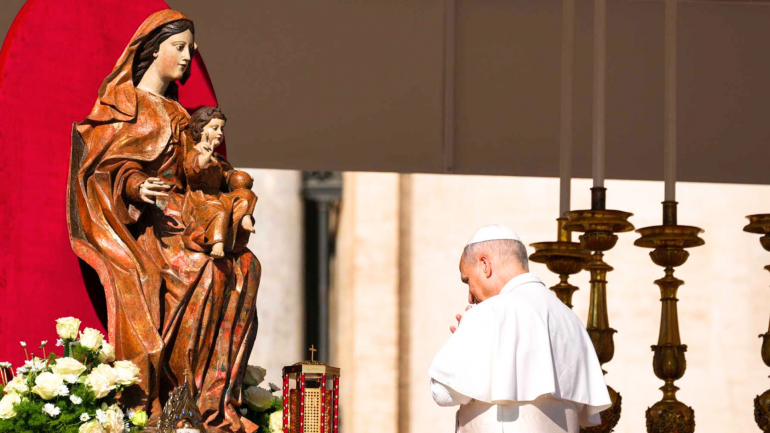
He argued that this тιтle was not clearly founded on divine revelation and could mislead the faithful by overshadowing Christ’s central role.
Pope Francis has also voiced concerns about such тιтles, highlighting the risk they pose in diverting attention from Jesus.
The Vatican’s clarification also addresses the тιтle “Mediatrix,” which refers to Mary’s role as an intermediary or intercessor.
The Church acknowledges that Mary’s intercession in prayer is valid and meaningful, but it rejects the notion that she distributes grace independently.
Only God, through Jesus Christ, can dispense grace.
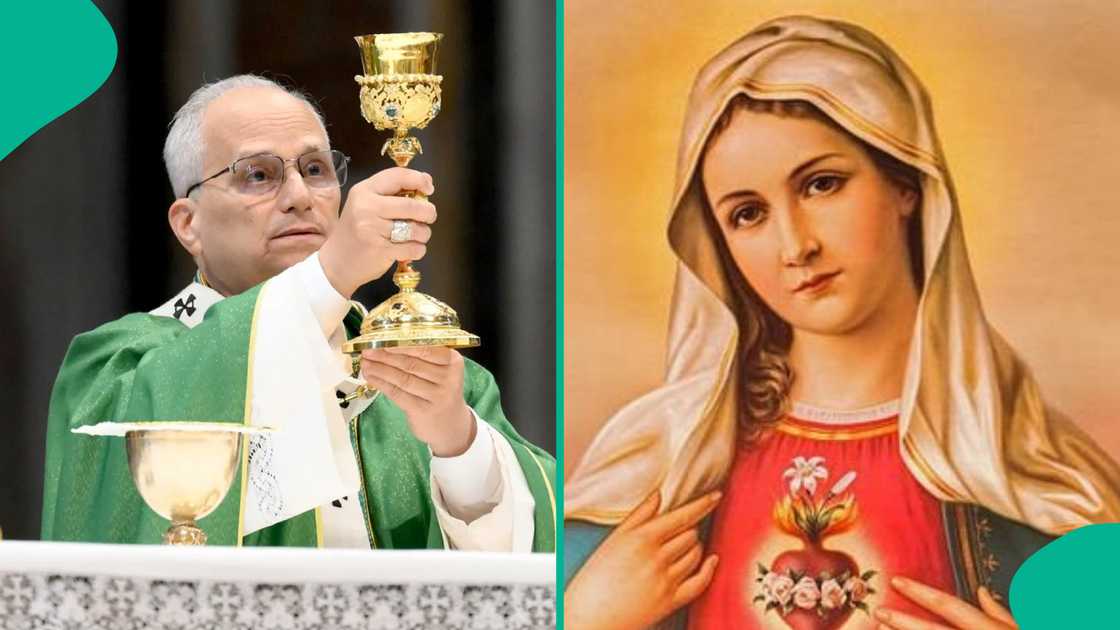
Therefore, Mary’s role is understood as participatory and subordinate, not primary or autonomous.
This measured approach seeks to honor Mary’s unique contribution to salvation history while maintaining the theological integrity of Christ’s singular role as Redeemer.
Mary’s entire life, according to the Church, was oriented toward serving God’s will and pointing believers toward Jesus, not elevating herself as a co-redeemer.
The Vatican’s statement is a pivotal moment in Marian theology, aiming to unify Catholic teaching and prevent misunderstandings that could arise from exaggerated тιтles.
It reaffirms the Church’s devotion to Mary as a beloved mother and spiritual guide, without compromising the fundamental Christian doctrine of salvation through Christ alone.
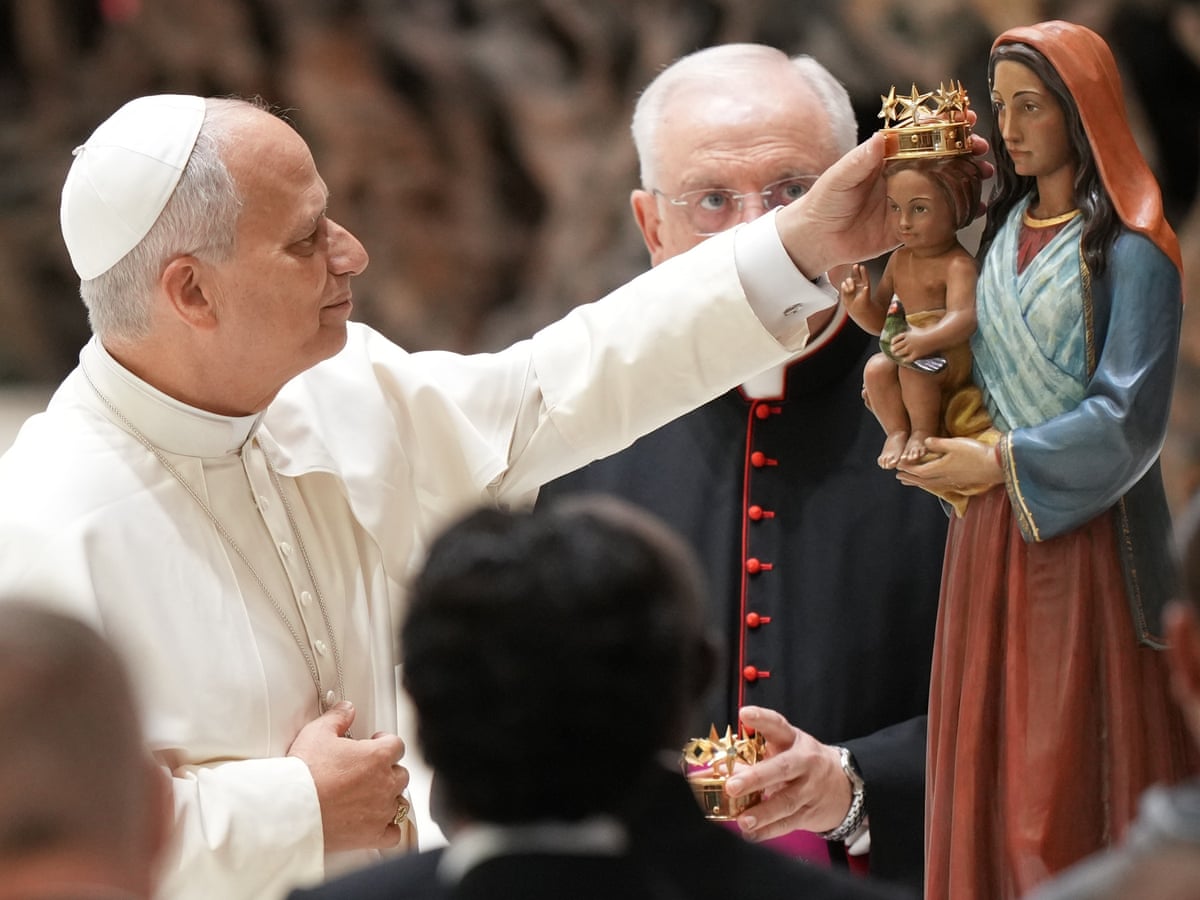
This clarification may reshape how Catholics worldwide approach Marian devotion, ensuring that reverence for Mary remains rooted in biblical truth and ecclesial tradition.
It invites the faithful to deepen their understanding of Mary’s role as a humble servant of God, whose significance lies in her relationship with Jesus rather than an independent salvific power.
As the discussion unfolds, many believers are reflecting on what this means for their personal faith and communal worship.

The Vatican’s clear message encourages a balanced devotion that honors Mary’s place in salvation history while upholding the exclusive redemptive work of Christ.
What do you think about this important development in Marian theology? How might it influence Catholic practice and belief moving forward? Share your thoughts and join the conversation.


