Royal Shockwaves or Pure Fiction? The Truth Behind the “Altered Will” Story
A sensational narrative has taken over parts of the internet, alleging that Princess Anne caught Queen Camilla attempting to alter Queen Elizabeth II’s will, triggering chaos inside Buckingham Palace.
The story is filled with vivid imagery—secret pᴀssages, hidden archives, forged documents, and tense confrontations between senior royals.
But despite its gripping detail, there is one major problem:
There is no credible evidence that any of it actually happened.
The claims appear to originate from a style of content that blends fiction with real public figures, presenting dramatic, cinematic scenarios as if they were factual accounts.
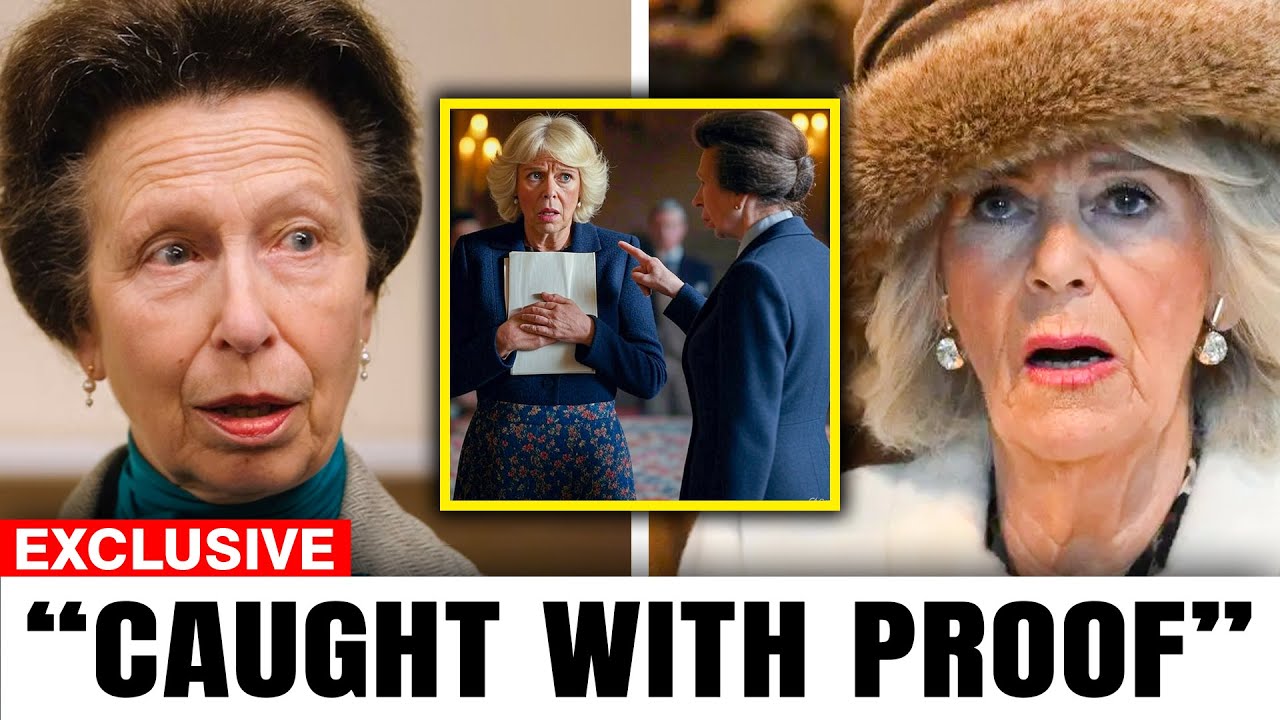
While compelling, these stories often rely on imagination rather than verified information.
To understand why this particular narrative falls apart under scrutiny, it’s important to look at how royal wills actually work.
Unlike ordinary wills, the wills of senior members of the British royal family are sealed by court order.
This means they are not made public and are kept private for decades—sometimes up to 90 years.
The purpose is to protect the dignity of the monarchy and avoid exactly the kind of speculation seen in viral stories like this one.
Because of this legal protection, there is no publicly available version of Queen Elizabeth II’s will to compare, alter, or “leak.”
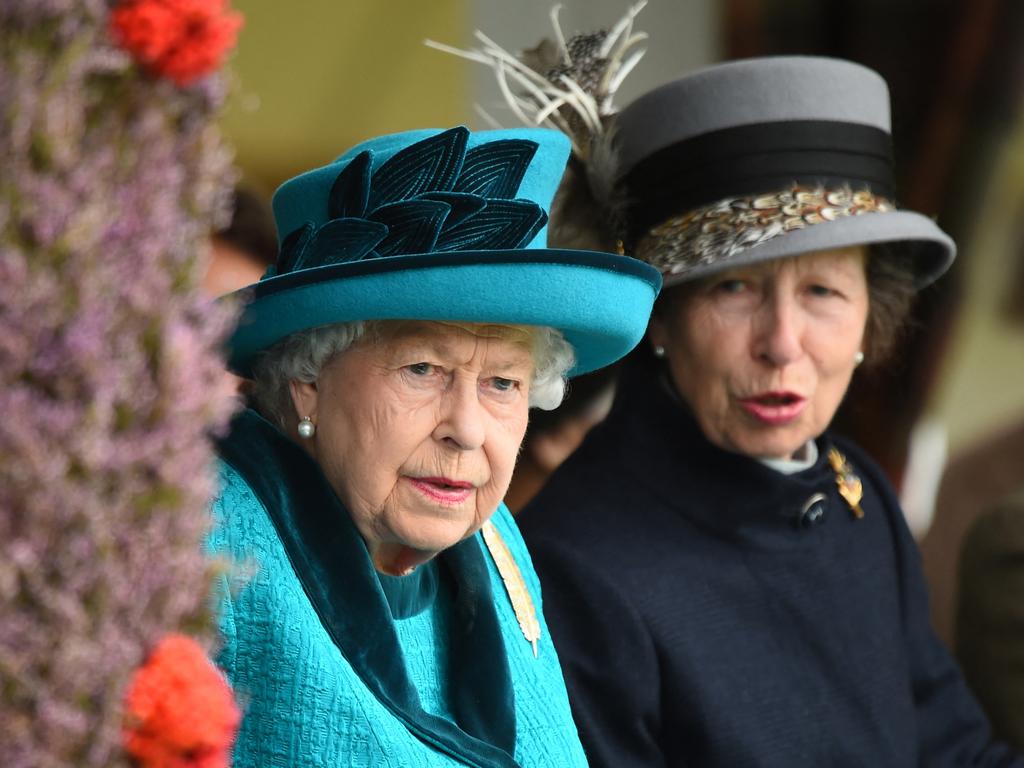
That alone makes the central claim highly implausible.
The story also describes hidden documents, multiple conflicting wills, and even handwriting analysis confirming forgery.
In reality, any official royal document of that importance would be handled through strict legal channels involving trusted advisers, lawyers, and consтιтutional procedures.
It would not be stored in an unguarded archive room waiting to be discovered.
Another key element of the narrative involves a dramatic confrontation between Princess Anne and Queen Camilla.
While it is true that royal relationships can be complex, there is no verified report of any such incident occurring.
In fact, recent public appearances suggest a far more stable dynamic.
Princess Anne has spoken respectfully about Camilla’s role, and both women have carried out official duties together without visible conflict.
The idea of a direct accusation of fraud—especially one involving the monarch’s will—would represent an unprecedented consтιтutional crisis.
Such an event would not remain hidden or unresolved.
It would trigger immediate legal action, public statements, and likely a major insтιтutional response.
None of that has happened.
The story also introduces elements like secret recordings, final messages from the late Queen, and dramatic ultimatums involving Prince William and King Charles.
These details may sound convincing, but they follow a familiar pattern often used in fictional storytelling: escalating tension, hidden evidence, and a final reveal that resolves everything.
In reality, the monarchy operates with far more structure and far less drama than these narratives suggest.
It’s also worth noting how quickly such stories spread.
Social media platforms reward emotionally charged, high-stakes content—especially when it involves well-known figures like the royal family.
Once a story gains momentum, it can be repeated, reshaped, and amplified until it feels credible, even without evidence.
This creates a blurred line between entertainment and information.
That doesn’t mean public curiosity about the royal family is misplaced.
The monarchy has always attracted attention, and questions about succession, legacy, and internal dynamics are natural.
But distinguishing between verified reporting and fictionalized content is essential.
In this case, there are no credible news sources, official statements, or verified documents supporting the claim that Queen Camilla altered—or attempted to alter—Queen Elizabeth II’s will.
What exists instead is a narrative designed to captivate.
It borrows real names, real places, and real history, then builds a dramatic storyline around them.
The result feels authentic, but lacks the foundation of factual reporting.
Ultimately, the story says more about the modern media landscape than it does about the royal family.
It highlights how easily fiction can be presented as reality—and how quickly audiences can be drawn into stories that feel too detailed to question.
The truth, however, is much simpler.
There is no confirmed scandal involving Queen Elizabeth II’s will, no verified confrontation between Princess Anne and Queen Camilla, and no evidence of forgery or deception within the royal estate.
What remains is a powerful reminder:
Not every “breaking” story is real—no matter how convincing it sounds.


