At 73, Dan Aykroyd Breaks His Silence About John Belushi
On March 5, 1982, John Belushi was found ᴅᴇᴀᴅ in a bungalow at the Chateau Marmont in Los Angeles. He was 33 years old. The official cause: a fatal drug overdose caused by a combination of heroin and cocaine.
At the time, the world mourned a comedy legend. But for Dan Aykroyd—Belushi’s closest collaborator and friend—the loss was deeply personal. Now, at 73, Aykroyd has finally opened up about what happened, including the one detail that has haunted him for decades: a missed phone call.
The day before Belushi died, he left a message for Aykroyd. By then, Belushi’s drug use had escalated dramatically. Friends and colleagues had tried to intervene, but access to drugs in Los Angeles was easy, and Belushi’s lifestyle had grown increasingly erratic.

Aykroyd has admitted that he saw the missed call but hesitated to return it.
“I didn’t reply to his message the last day,” he later said. “And that has haunted me ever since.”
It was not an accusation against himself—nor an attempt to rewrite history. But it was a confession of lingering guilt. Within 24 hours of that unanswered message, Belushi was gone.
The forensic report concluded that Belushi had been injected with a speedball—a mixture of heroin and cocaine. Kathy Smith later admitted to administering the fatal dose. Aykroyd has stated publicly that he does not believe there was intent to kill, but the consequences were irreversible.
When Aykroyd received the news, he immediately went to inform Belushi’s wife, Judy. In that moment, the bond between collaborators transformed into something heavier—grief mixed with responsibility.
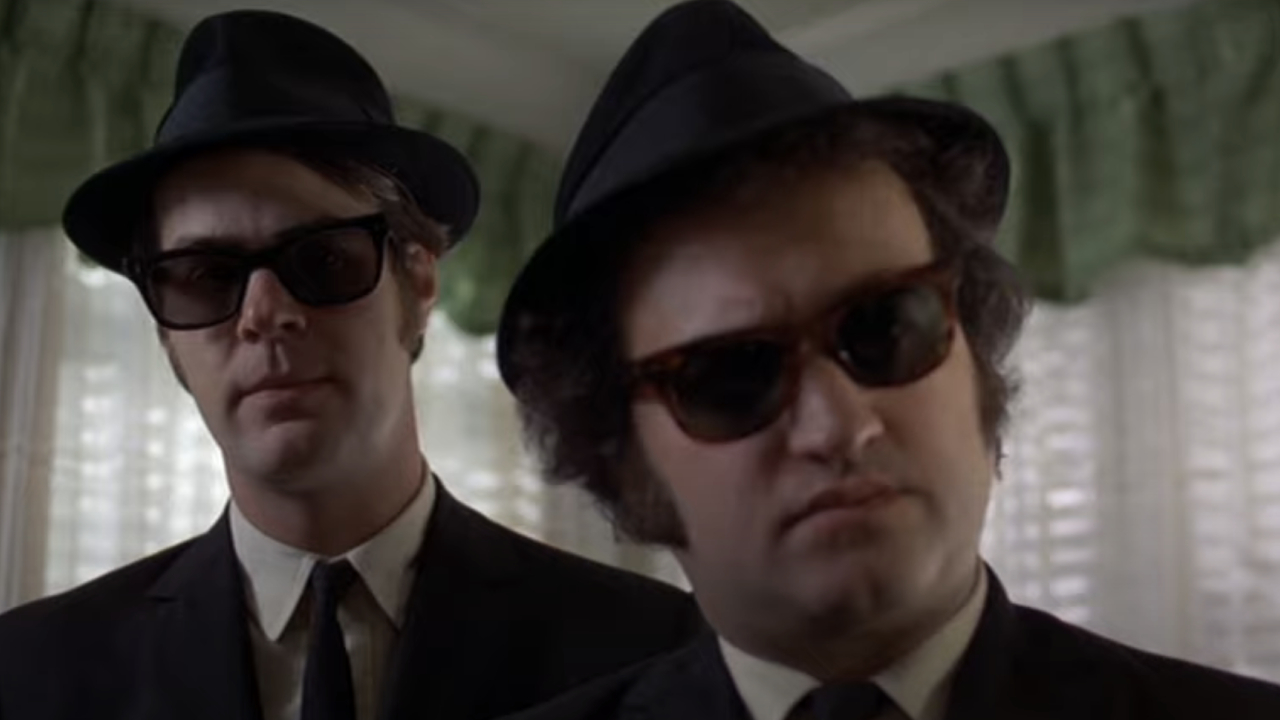
After the funeral, Aykroyd withdrew.
He avoided interviews. He declined public appearances. He refused to offer the kind of easy tributes that often follow celebrity deaths. Friends have said he chose silence because he didn’t want Belushi reduced to a cautionary tale or a headline.
Belushi had not only been his creative partner—he had helped define Aykroyd’s career. Together, they were the engine behind some of the most influential comedy of their generation.
They first met in 1973, performing in live comedy circuits before joining the original cast of Saturday Night Live in 1975. Their chemistry was immediate. They weren’t just funny—they were electric.
The Blues Brothers began as a sketch experiment rooted in their shared love of blues music. What started as a joke became a legitimate musical act. Their 1978 album Briefcase Full of Blues topped charts. The 1980 film The Blues Brothers blended comedy, music, and high-octane action into something entirely new.
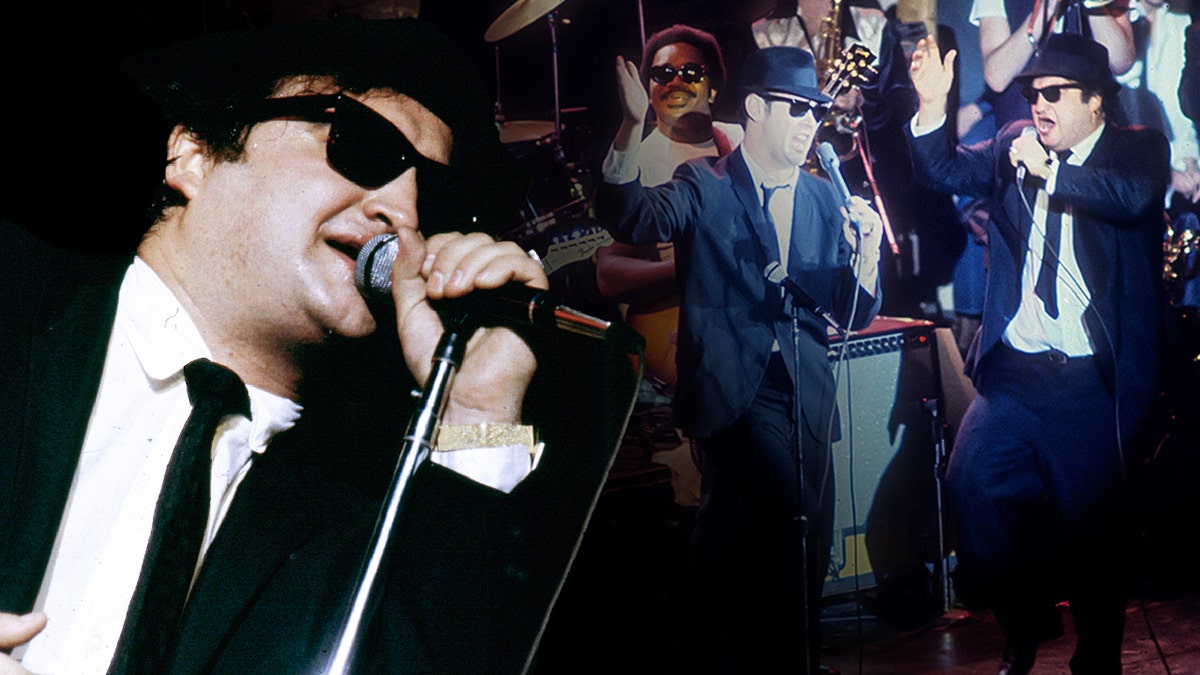
But behind the success, Belushi’s cocaine use intensified. Long nights, relentless schedules, and industry excess took their toll. By the early 1980s, colleagues noticed changes—fatigue, missed rehearsals, unpredictable behavior.
Aykroyd has since acknowledged that Belushi was “playing in a dangerous arena.” It was an environment where drugs were normalized, and few drew hard lines.
Belushi’s death marked a turning point.
Aykroyd, only 29 at the time, was in the midst of rapid creative ascent. But after 1982, his pace shifted. He described it as a necessary pause—a period to recalibrate rather than collapse.
The film Doctor Detroit became his first major project after Belushi’s pᴀssing. It wasn’t a blockbuster, but it helped him reestablish rhythm. It was also where he met actress Donna Dixon, who would become his wife and the mother of his three children.

From there, Aykroyd built a long, stable career—Ghostbusters (which he co-wrote), Driving Miss Daisy (earning him an Oscar nomination), and numerous other roles. Yet something fundamental had changed.
He became more controlled. More selective. Less improvisationally wild than in his early years with Belushi.
Grief didn’t end—it integrated.
Rather than distancing himself from their shared past, Aykroyd chose preservation.
He co-founded the House of Blues in 1992, creating performance spaces dedicated to the roots music he and Belushi loved. He continued performing as Elwood Blues, sometimes alongside Jim Belushi, John’s younger brother.

In recent years, Aykroyd released Blues Brothers: The Ark of Graтιтude, a carefully ᴀssembled audio archive documenting their creative journey. It includes rare recordings of John Belushi—an intentional effort to preserve the work exactly as it was.
“I wanted everything recorded as it happened,” Aykroyd explained.
For him, memory is not mythmaking. It’s documentation.
So why open up more fully at 73?
Age often brings clarity. The guilt over the missed call, the awareness of the enabling culture around Belushi, and the weight of silence—all of it seems to have settled into something less raw, but still unresolved.

Aykroyd has never framed Belushi as simply a victim. Nor has he denied the destructive choices involved. Instead, he has pointed toward the broader environment that allowed those choices to escalate unchecked.
Belushi’s death was not mysterious. It was tragic—and preventable.
For decades, Aykroyd carried that reality quietly. His recent reflections do not seek absolution. They seek context.
Dan Aykroyd and John Belushi came from different backgrounds but met at the exact right moment in comedy history. Aykroyd, born in Ottawa in 1952, was methodical, intellectually curious, and deeply invested in structure. Belushi, born in Chicago in 1949 to Albanian immigrant parents, was explosive, spontaneous, and instinct-driven.
Together, they created lightning.
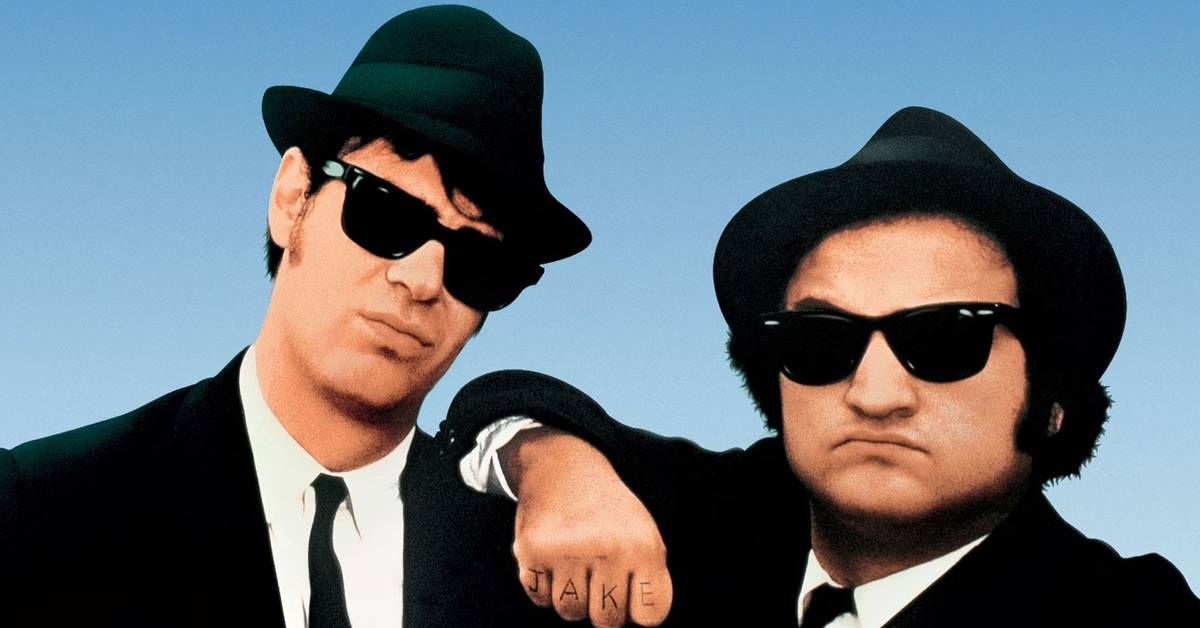
Separately, their lives diverged dramatically.
Belushi’s intensity fueled his brilliance—and accelerated his decline. Aykroyd, diagnosed later in life with mild Tourette’s syndrome and high-functioning autism, has said those traits helped him focus deeply on projects like Ghostbusters. His path leaned toward longevity.
Belushi’s ended at 33.
In the end, the most revealing detail remains the simplest: a missed phone call.
It symbolizes how quickly opportunity can vanish—how one hesitation can become permanent. Aykroyd knows logically that he could not have controlled everything. Addiction is complex. The circumstances were larger than one conversation.
But grief is rarely logical.

At 73, Dan Aykroyd’s reflections are not dramatic revelations. They are measured acknowledgments. He does not dramatize Belushi’s final days. He does not sensationalize.
He remembers.
And perhaps that is the most honest tribute of all.


