Las Vegas Drills Under Lake Mead: A $1.4 Billion Gamble for Survival
Las Vegas, a city that should not exist in the Mojave Desert, has thrived for decades, drawing its water primarily from Lake Mead, which is fed by the Colorado River.
However, the lake has been draining for over 20 years, and by 2022, its levels had dropped alarmingly low.
The city was on the brink of losing access to its water supply entirely.
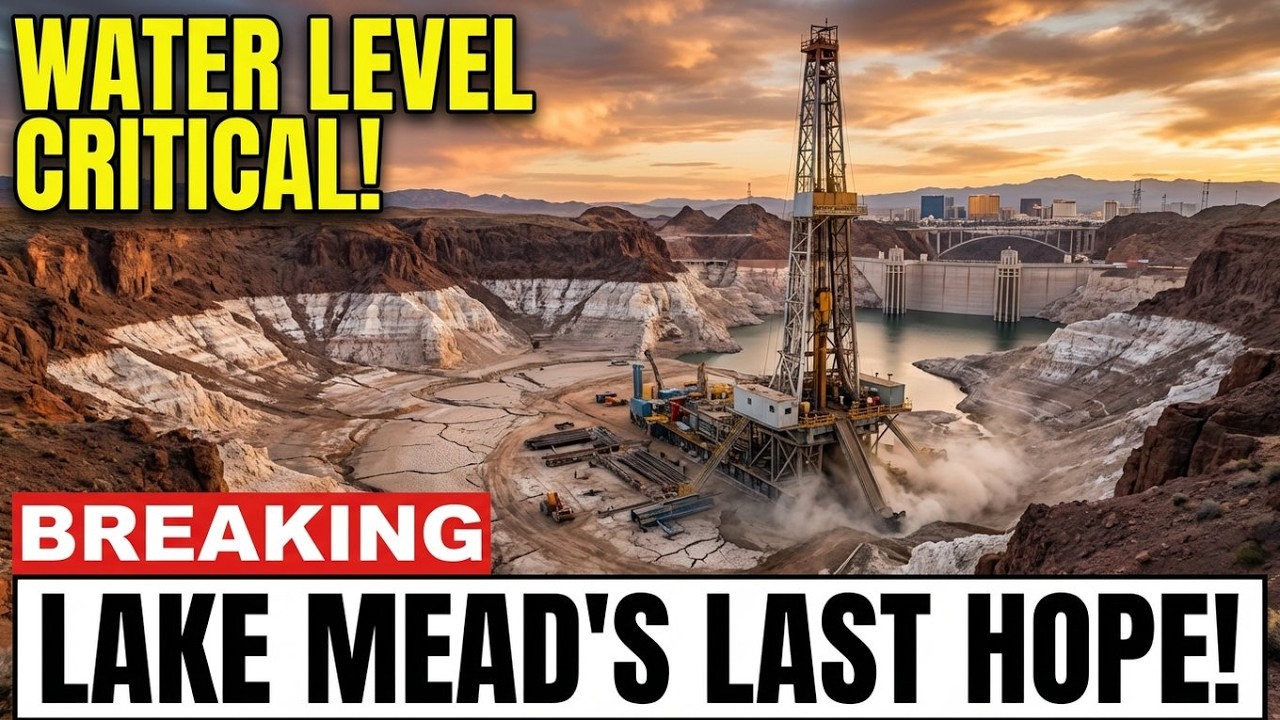
In response, the Southern Nevada Water Authority decided to take a bold step: they drilled a tunnel deep beneath Lake Mead to reach water that would be insulated from drought.
This ambitious project, known as the “third straw,” aimed to access water at an elevation of 860 feet—below the so-called “ᴅᴇᴀᴅ pool” level where water can no longer flow past Hoover Dam.
The construction of this tunnel involved drilling through solid volcanic rock, a feat that presented numerous engineering challenges.
The mᴀssive tunnel boring machine, affectionately named Sandy, faced unexpected geological formations, equipment failures, and the constant threat of flooding from water seeping through fissures in the rock.
Despite the difficulties, the project was completed in 2014, and the tunnel became operational in 2015.
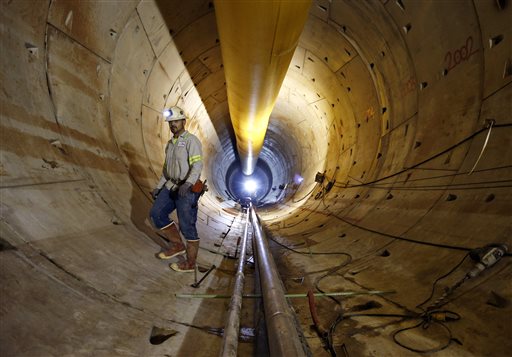
However, the price tag of $1.4 billion raised eyebrows and sparked debate about whether this investment was a wise use of resources.
Critics argued that the funds could have been better spent on alternative solutions, such as desalination plants or advanced water recycling systems, which would address the root causes of the water crisis rather than its symptoms.
The urgency of the situation was underscored by the fact that Las Vegas consumes approximately 300,000 acre-feet of water annually—nearly 98 billion gallons—mostly drawn from Lake Mead.
As the lake continued to decline, the need for the third straw became increasingly apparent.
By July 2022, Lake Mead had fallen to just over 1,040 feet, putting the existing intake pipes under severe operational stress.
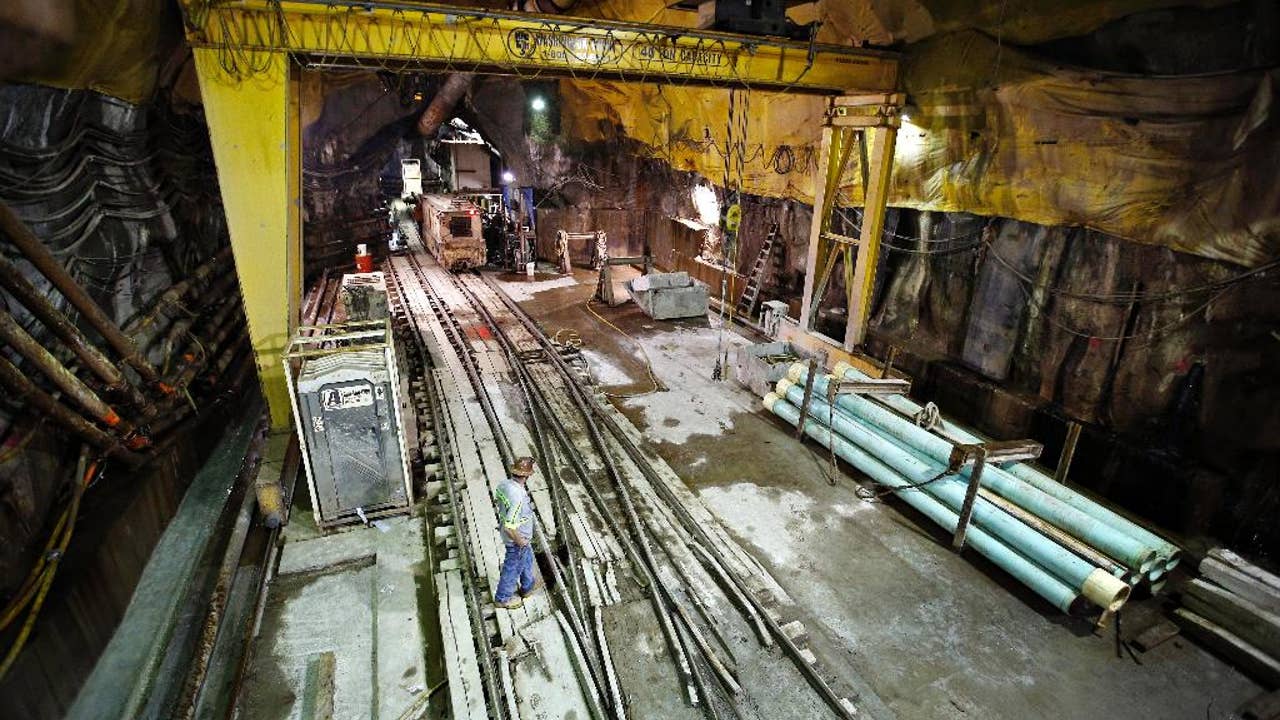
The third straw was designed to provide a lifeline for the city, allowing it to access water even when levels were critically low.
However, the deeper question looms: was this just a temporary fix, or did it truly secure Las Vegas’s long-term survival? As climate change continues to impact water availability, the region faces an uncertain future.
In addition to drilling deeper, Las Vegas has implemented aggressive conservation measures.
The city has managed to cut per capita water consumption by more than 40% since 2002, even as the population has grown.
Innovative water recycling programs and legislation banning ornamental grᴀss have contributed to these gains, demonstrating that the city is committed to using water more efficiently.
Despite these efforts, the challenges posed by climate change and ongoing drought conditions cannot be ignored.
The Colorado River Basin has experienced one of the driest stretches in recorded history, and while recent snowfall has provided some relief, experts caution that one good year does not erase two decades of decline.
The third straw project represents a remarkable engineering achievement, but it also highlights the precarious balance between human needs and environmental realities.
As Las Vegas navigates its water crisis, the lessons learned from this endeavor may serve as a blueprint for other cities facing similar challenges in the American West.
In conclusion, while the drilling of the third straw has provided immediate relief for Las Vegas’s water supply, the long-term sustainability of the city’s water resources remains in question.
The clock is ticking, and the future of Las Vegas hangs in the balance as it grapples with the realities of living in a desert and the consequences of climate change.


