In the age of viral political media, few stories spread faster than those that promise a dramatic “takedown” of a powerful figure. One such narrative currently circulating claims that Senator Adam Schiff was publicly dismantled during a Senate Judiciary Committee hearing by Attorney General Pam Bondi in a moment so explosive it allegedly triggered federal investigations on the spot. The story is detailed, emotionally charged, and structured like a courtroom drama. But when examined closely, it reveals a very different reality.
There is no verified record of such a hearing taking place.
No official Senate transcripts, credible news reports, or Department of Justice statements confirm that an event resembling this confrontation occurred. The level of detail described—including exhibits labeled A through E, live accusations of felony conduct, and the reading of consтιтutional rights to a sitting senator—would represent a historic political and legal event. Such a moment would dominate headlines across every major news outlet. Yet no such coverage exists.
This strongly indicates that the story is fictional or heavily dramatized.

The narrative follows a familiar pattern common in viral political content. It presents a highly structured confrontation, ᴀssigns clear roles of “prosecutor” and “defendant,” and builds toward a decisive moment of humiliation or victory. Dialogue is written with cinematic precision, complete with internal thoughts, dramatic pauses, and perfectly timed revelations—elements that are not characteristic of real congressional hearings.
Real hearings are often procedural, fragmented, and far less theatrical.
Another key red flag lies in the legal claims made within the story. For example, the idea that a sitting Attorney General could declare, during a public hearing, that a senator is under criminal investigation and immediately outline charges in that setting is inconsistent with standard legal practice. Investigations are typically handled confidentially, and public statements are carefully controlled to avoid prejudicing potential cases.
Similarly, reading “Miranda rights” to someone in a congressional hearing—without arrest or custody—would have no legal basis. Miranda warnings are specifically tied to custodial interrogations by law enforcement, not legislative proceedings.
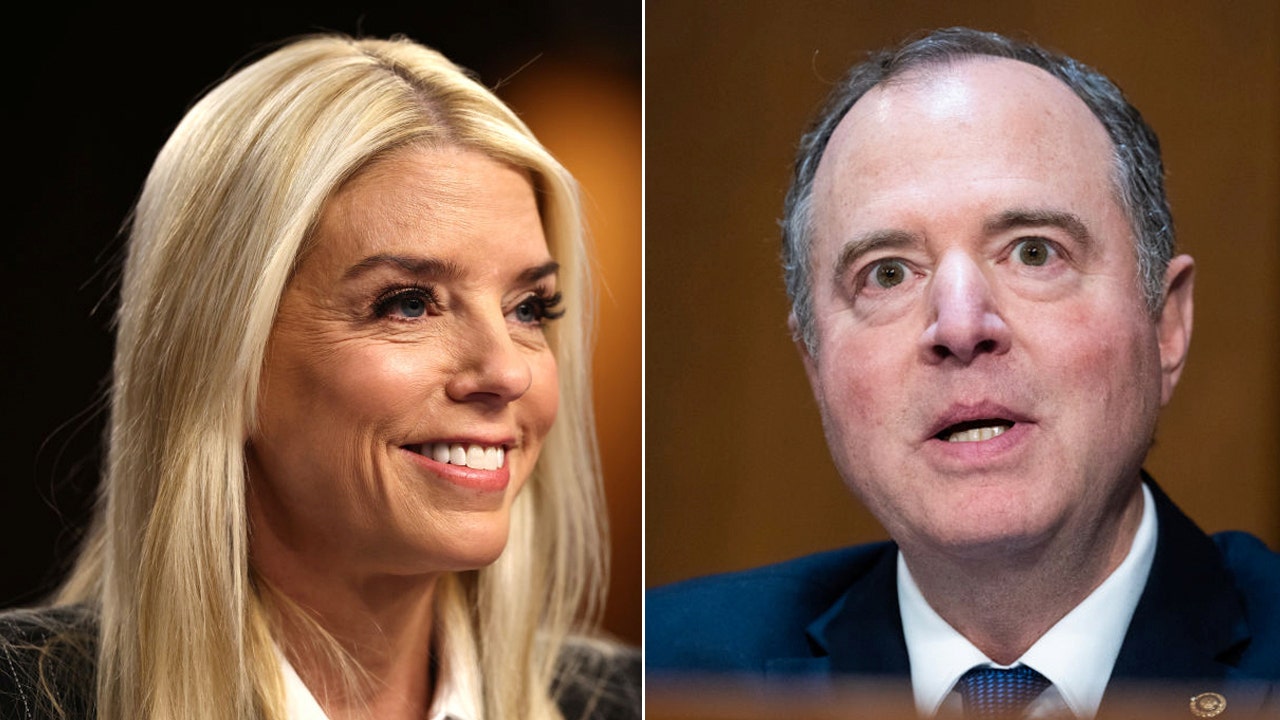
The story also blends real historical elements with fictional conclusions.
It references actual past controversies involving Adam Schiff, such as debates over intelligence claims during the Trump-Russia investigations and criticism from political opponents. However, it presents these issues as if they have already resulted in definitive criminal findings, which is not supported by official legal outcomes.
Likewise, while Pam Bondi is a real political and legal figure with prosecutorial experience, there is no verified evidence that she has served as U.S. Attorney General in the context described, nor that she has conducted such a hearing.
This blending of fact and fiction is a hallmark of persuasive misinformation.
By grounding a narrative in recognizable names and real past events, it becomes easier to present fictional developments as plausible extensions of reality. The audience is more likely to accept the story because parts of it feel familiar, even if the central event never occurred.
Another notable aspect is the storytelling style itself.

The narrative reads less like a news report and more like a scripted drama. It includes detailed descriptions of body language, internal reactions, and perfectly structured “gotcha” moments. Real-life proceedings rarely unfold with such narrative symmetry. Participants interrupt each other, time limits cut off exchanges, and outcomes are rarely so clean or निर्णत.
The inclusion of precise numbers—such as “423 appearances” or “five counts”—also adds an illusion of credibility. However, without verifiable sources, such figures function more as rhetorical devices than factual claims.
It is also important to consider the broader impact of stories like this.
They can reinforce existing beliefs, deepen political divisions, and create false expectations about how legal and governmental systems operate. When fictional narratives are presented as real events, they blur the line between accountability and entertainment, making it harder for audiences to distinguish verified information from compelling storytelling.

This does not mean that political figures should be immune from scrutiny. Investigations, hearings, and accountability mechanisms are essential parts of democratic systems. But those processes are governed by rules, evidence, and due process—not by dramatic confrontations scripted for maximum emotional impact.
In reality, any credible allegation of criminal conduct by a public official would involve formal investigations, legal filings, and judicial proceedings. These processes take time and are documented through official channels that can be independently verified.
The viral story, while engaging, skips all of those steps.
Instead, it delivers immediate judgment, complete with evidence, conclusions, and consequences—all within a single, highly choreographed scene. That may make for compelling content, but it does not reflect how the legal system actually functions.

Ultimately, the story serves as a case study in how modern political narratives are constructed and shared. It demonstrates how easily detailed, emotionally powerful content can spread—even in the absence of verification.
For readers, the key takeaway is simple: extraordinary claims require credible evidence. When a story describes a historic political or legal घटना but cannot be confirmed through reliable sources, it should be approached with caution.
In this case, the dramatic showdown between Adam Schiff and Pam Bondi appears to belong more to the realm of fiction than documented reality.


