36 Hours in the Sky: The Human Reality Inside the $2 Billion B-2 Spirit
The B-2 Spirit is often described as one of the most advanced military aircraft ever built.
With its stealth design, global strike capability, and near-mythical reputation, it represents the pinnacle of modern airpower.
But beyond the technology, beyond the radar-evading shape and precision weaponry, there is a lesser-known reality: the human experience inside the aircraft.

Because while the B-2 can fly for extraordinary lengths of time, the real challenge isn’t the machine—it’s the people inside it.
A typical long-range mission can last up to 30–36 hours.
Inside the cockpit, only two pilots manage the entire operation.
There is no standing room, no real rest area, and no opportunity to step away.
The space is cramped, functional, and unforgiving—closer to a тιԍнт capsule than a traditional cockpit.
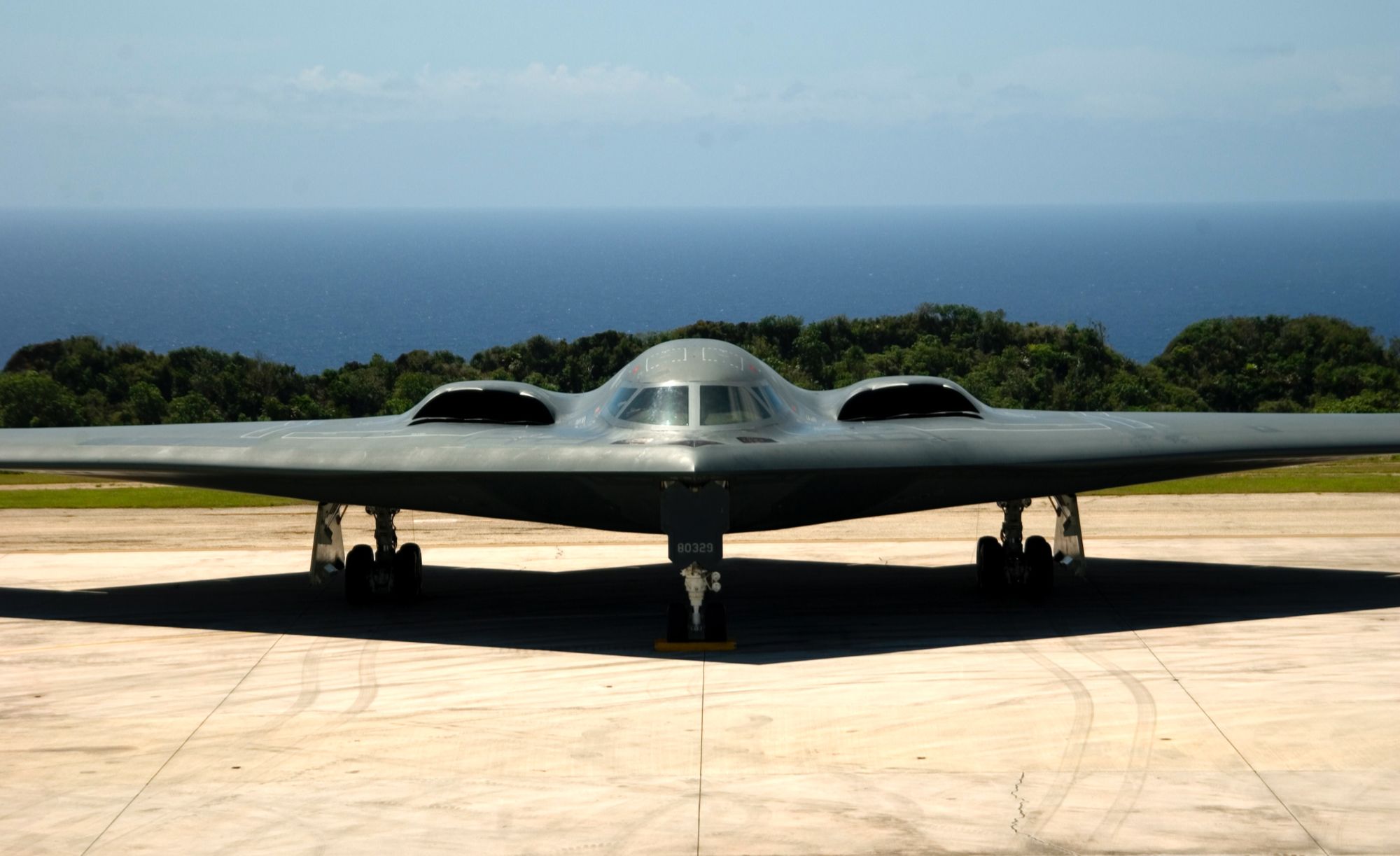
From the outside, the aircraft appears almost effortless in its movement.
Inside, it’s a constant battle against fatigue.
Human performance begins to degrade significantly after extended wakefulness.
After roughly 16 hours, cognitive function can drop to levels comparable to intoxication.
Reaction times slow, decision-making becomes impaired, and the risk of microsleep—brief, uncontrollable lapses into sleep—increases.
For pilots operating at high speed and alтιтude, even a few seconds of lost awareness can be dangerous.
To counter this, B-2 missions are planned not just around fuel and targets, but around biology.
Food becomes a tool, not a comfort.
Pilots don’t simply eat when they’re hungry—they follow a structured nutritional strategy designed to maintain stable energy and mental clarity.
Meals are built around slow-release carbohydrates and protein to avoid spikes and crashes in blood sugar.
Snacks are timed carefully, often every few hours, to keep the brain functioning at a consistent level.
Caffeine, surprisingly, is used sparingly.
Instead of constant consumption, it is reserved for critical moments—typically when fatigue peaks deep into the mission.
Used incorrectly, it can disrupt the limited rest opportunities pilots have.
Hydration is equally controlled.
At high alтιтude, the air is extremely dry, leading to gradual dehydration.
But drinking too much creates another problem: the aircraft’s limited facilities.
The onboard “restroom” is minimal, offering little privacy or comfort.
As a result, pilots manage fluid intake with precision, balancing physical needs against practical constraints.
Sleep, when it happens, is brief and strategic.
One pilot remains in control while the other attempts short rest periods—often just 10 to 20 minutes—reclined in their seat.
These micro-rests are not полноцен sleep, but they can provide enough recovery to maintain basic cognitive function.
Even these short breaks require discipline.
Timing is critical, and the ability to fall asleep quickly in a noisy, confined environment is a skill developed through training.
Physically, the strain accumulates.
Sitting for over a day leads to muscle stiffness, especially in the back and neck.
Mentally, the isolation and sustained focus can be just as taxing.
Communication between pilots often decreases over time—not due to conflict, but as a way to conserve mental energy.
Despite these challenges, the mission continues.
Aerial refueling operations demand intense concentration, requiring precise maneuvering in close proximity to tanker aircraft.
Later stages of the mission—often involving weapons delivery—require peak performance at a time when fatigue is at its highest.
Adrenaline can temporarily sharpen focus, but it does not eliminate exhaustion.
When the aircraft finally lands, the mission may be over, but the effects are not.
Pilots often experience dehydration, disrupted sleep cycles, and physical discomfort that can last for days.
Re-adjusting to normal routines may take time, as the body recovers from extended stress and irregular rhythms.
All of this highlights a fundamental truth: even the most advanced military systems are still limited by human endurance.
The B-2 can technically remain airborne far longer than its crew can comfortably function.
Bridging that gap—between machine capability and human limits—is an ongoing area of research.
Improvements in cockpit design, nutrition, and fatigue management continue to evolve, aiming to support pilots in these extreme شرایط.
But no matter how advanced the technology becomes, one thing remains unchanged.
Inside that $2 billion aircraft, success still depends on two individuals managing their own biology with precision—balancing food, water, rest, and focus in one of the most demanding environments imaginable.
It’s a reminder that behind every high-tech system, there is still a human element—one that cannot be engineered away.


