A dramatic online narrative claims that King Charles III quietly transferred operational control of the British monarchy to his son, Prince William, during a secret internal crisis.
According to the story, the alleged shift of power happened amid scandals involving Queen Camilla and was carried out through confidential documents described as an “emergency succession dossier.” The narrative further suggests that William effectively began running royal affairs while the king withdrew from public view.
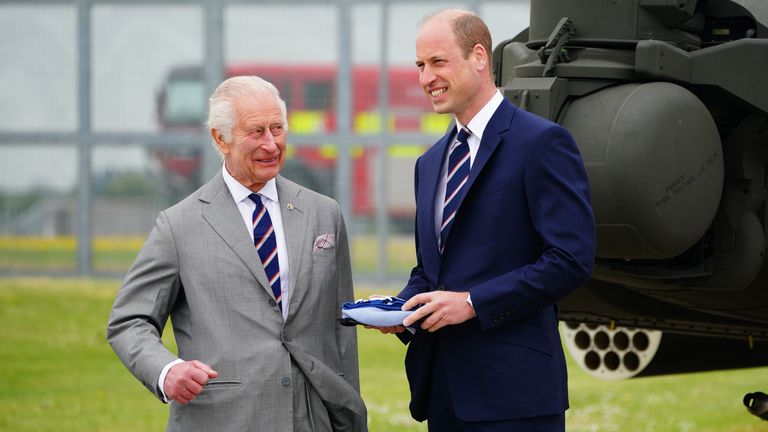
Despite the detailed and cinematic way the story is presented, there is no credible evidence that such a secret transfer of authority has occurred.
Within the consтιтutional structure of the United Kingdom, the monarch remains the formal head of state unless specific legal procedures are triggered. Any genuine transfer of royal authority would follow established mechanisms such as a Regency or Counsellors of State arrangement, which would involve clear documentation and public acknowledgment. No verified reports indicate that such measures have been enacted to give Prince William full control of royal operations.
Prince William, who holds the тιтle William, Prince of Wales, does carry significant responsibilities as heir to the throne. Like previous heirs, he undertakes major charitable, diplomatic, and ceremonial duties and increasingly represents the monarchy in public engagements. However, these responsibilities do not amount to replacing or superseding the reigning monarch.
The viral story also links this alleged power shift to a supposed scandal involving Queen Camilla. As with similar circulating narratives, there is no confirmed evidence that she has been removed from influence within the royal household or that internal investigations have triggered a consтιтutional crisis. Public records and official engagement schedules continue to show her participating in royal duties alongside King Charles.
In reality, transitions within the British monarchy are typically gradual and highly structured. Heirs often ᴀssume greater visibility and responsibility over time, especially as monarchs age or delegate specific engagements. This evolution can sometimes create the impression that power is shifting, but it remains within the framework of established consтιтutional roles.
Stories about secret dossiers, midnight decisions, hidden investigations, and dramatic confrontations inside Buckingham Palace are common elements of viral royal speculation online. They often combine real figures and insтιтutions with fictionalized details designed to create a sense of intrigue or insider revelation.
While it is true that Prince William and Catherine, Princess of Wales have taken on increasingly prominent roles in shaping the monarchy’s public image and future direction, there has been no verified “silent takeover” of royal authority. King Charles III remains the reigning monarch, and any significant consтιтutional shift would be publicly documented rather than quietly implemented through secret files.
What the situation does illustrate is the ongoing evolution of the modern monarchy. As the next generation prepares for future leadership, figures such as Prince William inevitably become more central to royal operations. However, that process is unfolding through normal insтιтutional change rather than the dramatic internal power struggle described in viral reports.


