Bishop William Murphy’s Sermon on Money and Worship Sparks Debate Online
A recent sermon from Bishop William Murphy, senior pastor of The dReam Center Church in Atlanta, has sparked widespread discussion across social media and Christian communities.
The controversy centers around a statement he made suggesting that worship and financial sacrifice are closely connected according to biblical teaching.
During the sermon, Murphy addressed criticism he had received online from someone who claimed that people should be able to worship God without involving money.
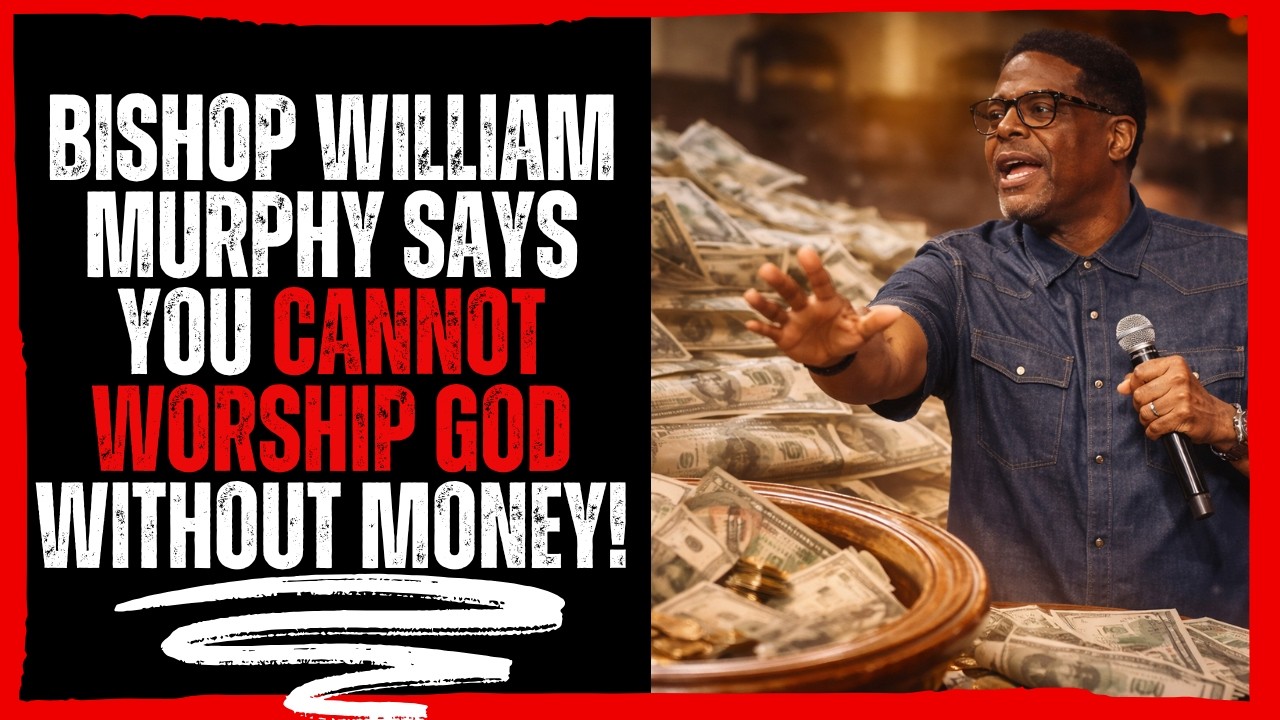
His response was direct and quickly became the focal point of the debate.
According to Murphy, the idea of separating money from worship does not align with how worship is described in the Bible.
“I told them, show me that in the Bible,” Murphy said, referring to the message he received.
He went on to argue that Scripture often portrays worship as involving sacrifice, particularly offerings brought before God.
In his explanation, Murphy emphasized the biblical concept of “first fruits” offerings, a practice rooted in the Old Testament where believers presented the first and best portion of their harvest or income to God as an act of graтιтude and trust.

The pastor was encouraging members of his congregation to participate in an upcoming church event focused on first-fruit giving, where worshippers would bring offerings as a symbol of placing God first in their finances.
Murphy framed the practice not simply as charity or fundraising but as a spiritual discipline connected to faith and obedience.
He also referenced the well-known biblical phrase about the relationship between money and devotion: “Where your treasure is, there your heart will be also.”
In his message, Murphy suggested that financial giving reflects the priorities of a person’s heart.
Beyond the discussion of offerings, Murphy also shared his belief that God desires financial abundance for believers.
Quoting Proverbs, he referred to the verse stating that “the blessing of the Lord makes rich and adds no sorrow,” presenting it as evidence that prosperity and faith can coexist.
This message aligns with teachings commonly ᴀssociated with what many refer to as the prosperity gospel, a theological perspective that emphasizes financial blessing and material success as potential outcomes of faith and obedience.
While this teaching has a strong following in some churches, it has also been the subject of significant criticism from other Christian leaders.
Some theologians argue that focusing heavily on financial prosperity risks overshadowing core biblical themes such as humility, sacrifice, and service to others.
They warn that messages about wealth can sometimes create unrealistic expectations for believers facing real economic struggles.
Supporters of Murphy’s teaching, however, see it differently.
They point out that the Bible contains numerous references to giving, generosity, and offerings presented as acts of worship.
From sacrifices in the Old Testament to charitable giving encouraged in the New Testament, financial contributions have historically been part of religious practice in many Christian traditions.
They also argue that Murphy’s message was not necessarily claiming that money alone defines worship, but rather that giving can be an expression of faith and devotion.
Still, the strong wording used in the viral clip has fueled ongoing debate online.
Critics say statements suggesting that worship cannot exist without money risk placing financial pressure on congregants, particularly those already struggling financially.
They worry such messages may unintentionally imply that spiritual connection with God depends on a person’s ability to give.
Others believe the sermon was simply emphasizing the biblical principle of generosity and reminding believers that faith often involves tangible acts of commitment.
The discussion surrounding Murphy’s message reflects a much broader conversation within modern Christianity.
Across denominations and cultures, churches continue to wrestle with how to teach about money, giving, and prosperity while maintaining balance with the spiritual heart of the faith.
For some believers, giving is an essential act of worship that demonstrates trust in God.
For others, the emphasis on financial contributions can feel uncomfortable when it appears tied to promises of wealth or divine reward.
As the clip continues circulating online, it has once again highlighted how powerful—and sometimes controversial—messages about faith and finances can become in today’s digital world.
And in an era where sermons can reach millions of viewers within hours, even a few sentences about money and worship can quickly spark a global theological debate.


