Controversy Erupts Over Jamal Bryant and New Birth’s Communion Service
A video circulating online has sparked heated debate across Christian communities, placing Pastor Jamal Bryant and New Birth Missionary Baptist Church at the center of a growing theological controversy.
The discussion revolves around a communion service broadcast at the beginning of 2026—an event that critics say reflects a troubling shift in how sacred traditions are being presented in some modern churches.
Communion, also known as the Lord’s Supper, is widely regarded as one of Christianity’s most solemn and symbolic practices.
Rooted in the biblical account of Jesus’ final meal with His disciples, the ritual represents remembrance of Christ’s sacrifice—His body broken and His blood shed for humanity.
For centuries, believers have treated the ceremony as a deeply reflective act of faith, humility, and repentance.
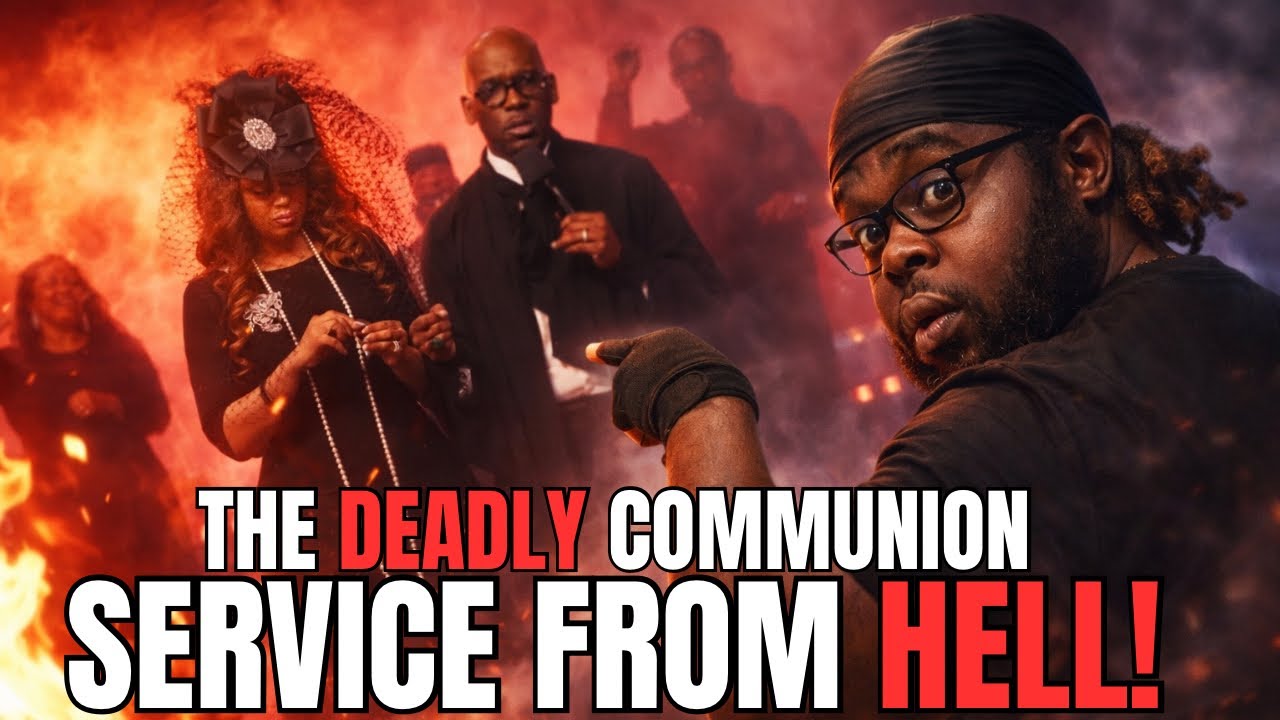
However, the service at New Birth that recently drew attention has become a lightning rod for criticism after a YouTube commentator analyzed portions of the event and questioned its tone, messaging, and theological focus.
During the service, Bryant addressed congregants while preparing them to participate in communion.
The pastor spoke about challenges facing the year ahead, including concerns about healthcare access and the growing mental health crisis in America.

He also delivered a series of declarations over the congregation, speaking about physical health, emotional stability, and protection in the coming year.
In addition, Bryant invited viewers watching from home to participate by finding items such as bread subsтιтutes—suggesting anything from toast to waffles if traditional communion elements were unavailable.
To supporters, these statements may sound like pastoral encouragement intended to connect biblical symbolism with real-life struggles.
But critics argue the approach shifted the focus away from the central theological meaning of communion.
The strongest criticism came from Christian commentators who claim the service placed too much emphasis on personal blessings, prosperity, and motivational declarations rather than on Christ’s sacrifice.

One commentator argued that communion should never be framed primarily as a moment to claim breakthroughs, healing, or personal success.
Instead, they insist the ritual is meant to center entirely on remembering Jesus’ death and the covenant established through His sacrifice.
Biblical pᴀssages frequently cited in the debate include 1 Corinthians 11:26, which states:
“For as often as you eat this bread and drink this cup, you proclaim the Lord’s death until He comes.”
Critics say this verse demonstrates that communion is fundamentally about proclaiming Christ’s death and reflecting on its meaning—not about celebrating personal destiny or material blessings.
They also pointed to Luke 22:19, where Jesus instructs His followers to partake of the bread “in remembrance of me.”
According to those raising concerns, this instruction establishes the spiritual purpose of the ritual as remembrance rather than self-affirmation.
The controversy surrounding the New Birth service is not occurring in isolation.
Instead, it reflects a much larger conversation within Christianity about the direction of contemporary church culture.
In recent decades, some churches—particularly large megachurches—have adopted highly energetic services that blend worship, motivational speaking, and cultural commentary.
Advocates say this style helps make faith relevant and accessible in a modern world.
But critics warn that this approach sometimes risks diluting traditional doctrine or transforming sacred rituals into inspirational experiences rather than acts of worship centered on Christ.
Communion, in particular, remains a sensitive topic because of its theological importance.
Many denominations teach that believers should approach the Lord’s Table with careful self-examination, humility, and reverence.
The Apostle Paul wrote in 1 Corinthians 11:28:
“Let a man examine himself, and so let him eat of the bread and drink of the cup.”
For some theologians, this verse underscores the seriousness of the ritual and the need to maintain its focus on repentance, reflection, and graтιтude for Christ’s sacrifice.
Despite the criticism, many Christians see nothing inherently wrong with connecting communion to encouragement about life’s struggles.
They argue that pastors often apply biblical teachings to contemporary issues in order to inspire hope and faith within their congregations.
From this perspective, references to health, mental well-being, or difficult times ahead could simply be an attempt to bring spiritual comfort to worshippers navigating a challenging world.
The debate ultimately reveals a deeper tension: how churches balance tradition and relevance.
For some believers, adapting language and examples to modern life helps keep faith alive and meaningful.
For others, the danger lies in allowing personal motivation to overshadow the central message of the gospel.
Regardless of where one stands in the debate, the controversy has reignited an important question for many Christians: What is communion truly meant to represent?
Historically, the ritual has been understood as a powerful reminder of Christ’s sacrifice and the covenant between God and believers.
It invites participants to reflect on grace, acknowledge human brokenness, and remember the price paid for redemption.
In that sense, the Lord’s Table has always been more than a symbolic meal—it is a moment intended to redirect attention away from oneself and back to the cross.
As discussions continue online and within church communities, the viral video has become yet another example of how digital platforms amplify theological debates that once occurred quietly inside congregations.
Whether one views the New Birth service as an innovative expression of faith or a departure from tradition, one thing is clear: conversations about the meaning of worship, doctrine, and sacred practices are far from over.


