A Prophetic Atmosphere Shifts the Room
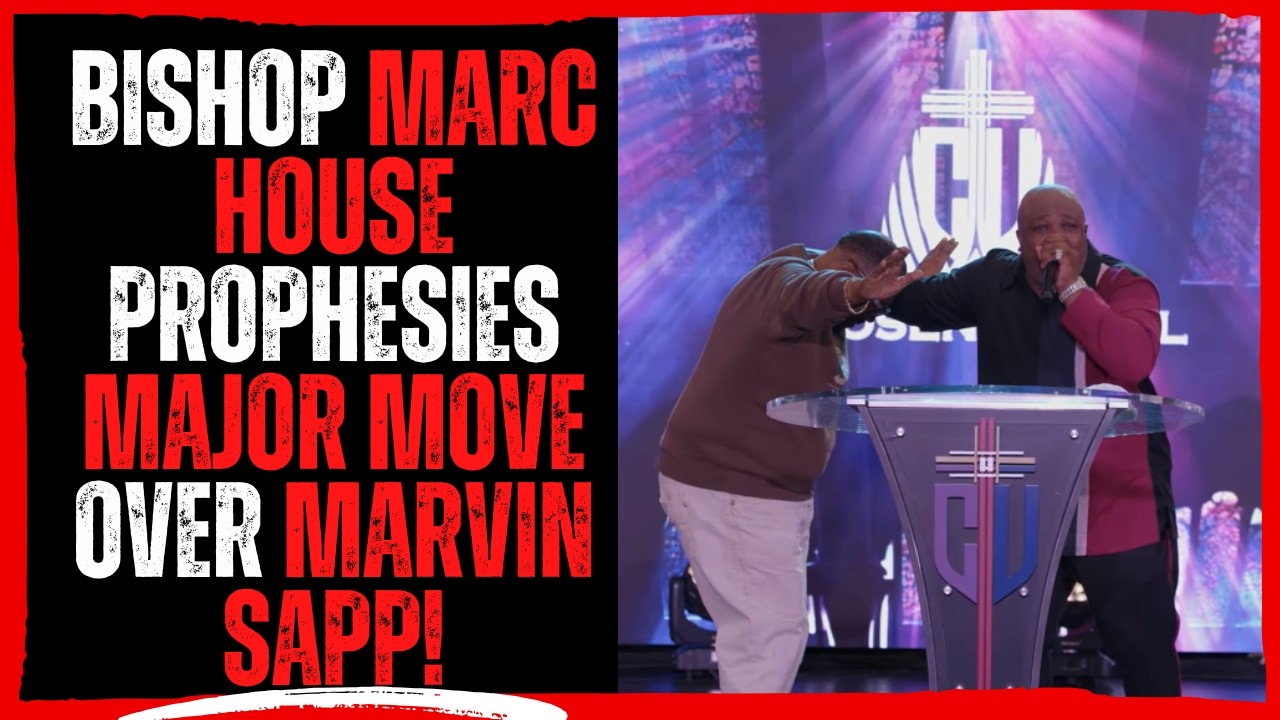
During a powerful service, Bishop Marc House stepped into what many described as a heavy prophetic flow.
His words weren’t casual encouragement—they were specific, directional, and filled with expectation.
At the center of the moment was gospel icon Marvin Sapp.
From the start, Bishop House made one thing clear: a revival is coming.
But it won’t look like what many expect.
“There are people getting ready to show up who don’t have three-piece suits,” he declared.
“All they’ve got is leggings, heels, and a T-shirt—and they’re coming right here.”
The statement was more than commentary on dress code.

It was a warning to the church not to judge the appearance of those God is about to draw in.
One of the most repeated lines from the message was simple but piercing: “Don’t try to clean a fish you haven’t caught.”
Bishop House cautioned congregants not to criticize or prematurely correct newcomers who may not “look church.”
According to him, revival will attract people from outside traditional church culture—individuals who may appear rough around the edges, confused, or spiritually immature.
“Keep your mouth closed until God finishes working on them,” he warned.
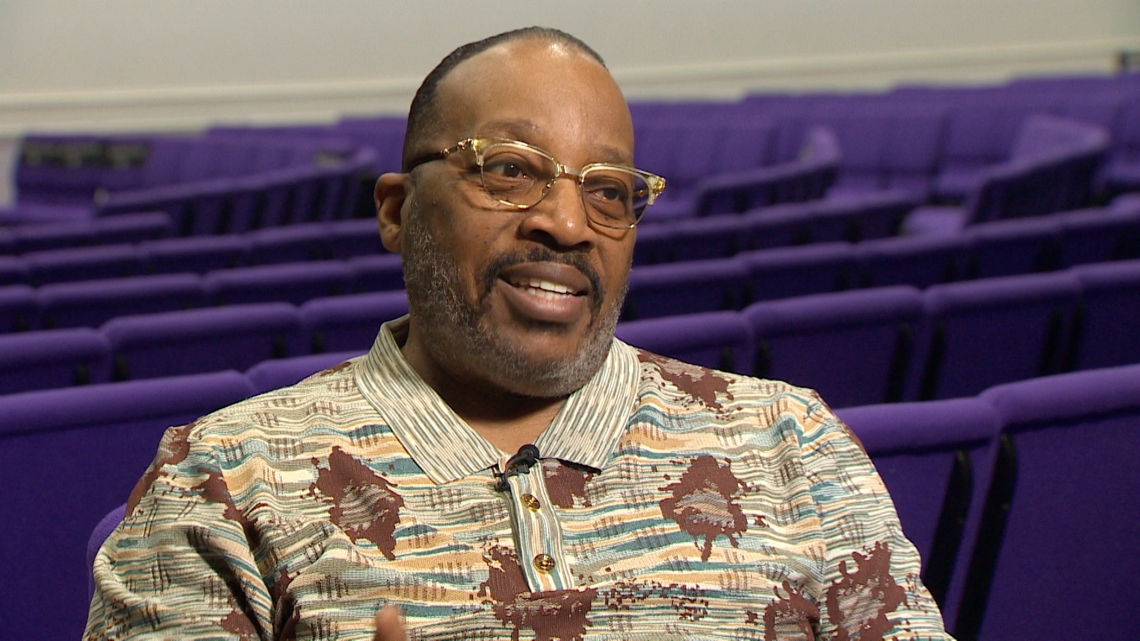
The message challenged religious gatekeeping and called for grace during what he described as a coming spiritual influx.
Then the focus shifted directly to Marvin Sapp.
Bishop House prophesied that a major collaboration from the world—what he described as a “component from the marketplace”—would reach toward Sapp.
Rather than rejecting it, he instructed him to embrace it.
“The Lord said, ‘Go with it.

This is how the revival is going to break out,’” House declared.
The prophecy suggested that Sapp’s voice and influence would be used in a unique way—bridging marketplace and ministry.
According to House, this merging of creative worlds would draw people into a space where God could develop them spiritually.
He emphasized that past attacks against Sapp were attempts to push him out of the spotlight.
But God, he said, would not allow it.

“All those attacks were to keep you from wanting to be in the front anymore,” House proclaimed.
“But God said, ‘I wouldn’t let it stop you.’”
The prophecy extended beyond one individual.
Bishop House spoke of a coming wave of creatives, innovators, and thinkers who would gather around this ministry hub.
“There are so many minds getting ready to come,” he said.

He described an environment where ministry and marketplace would weave together, creating opportunities for influence beyond traditional church walls.
In his view, revival would not be confined to Sunday services—it would flow through collaboration, creativity, and cultural engagement.
The congregation was urged to prepare themselves—not just spiritually, but practically—to support what is coming.
Among the more striking declarations was the promise of “financial intercessors” being sent to bless and sustain the vision.

Bishop House spoke of a weight lifting and doors opening—opportunities that previously seemed inaccessible would suddenly become available.
He also declared a “double harvest,” suggesting that two seasons of fruitfulness would converge at once.
“You have lived into a season you’re about to reap,” he said.
For many listening, it felt like confirmation after years of perceived delay.
In one of the most dramatic moments, Bishop House declared, “I’m about to wake Texas up.”
He described a shift from a “system of church” back to the “spirit of church.”

The distinction implied a move away from routine structure toward spiritual authenticity and power.
He framed the moment as history-making—not just for an individual leader, but for the entire congregation.
“History is about to be made,” he insisted.
Drawing from the biblical account of Joshua and Jericho, Bishop House emphasized preparation before possession.
Before entering promise, there must be consecration.
“Anybody you can’t cut can’t come,” he said, referencing circumcision as symbolic of spiritual refinement.
The message was clear: revival requires readiness.
Not everyone connected will be able to go forward without transformation.
Supporters describe the prophecy as bold, timely, and Spirit-led.
Critics question how such declarations will unfold and whether marketplace collaborations blur sacred boundaries.
Yet what cannot be denied is the intensity of the moment.

Bishop Marc House did not merely predict growth—he outlined a blueprint:
• Welcome those who don’t look like church.
• Embrace collaboration beyond church walls.
• Prepare for financial and spiritual increase.
• Consecrate before stepping into promise.
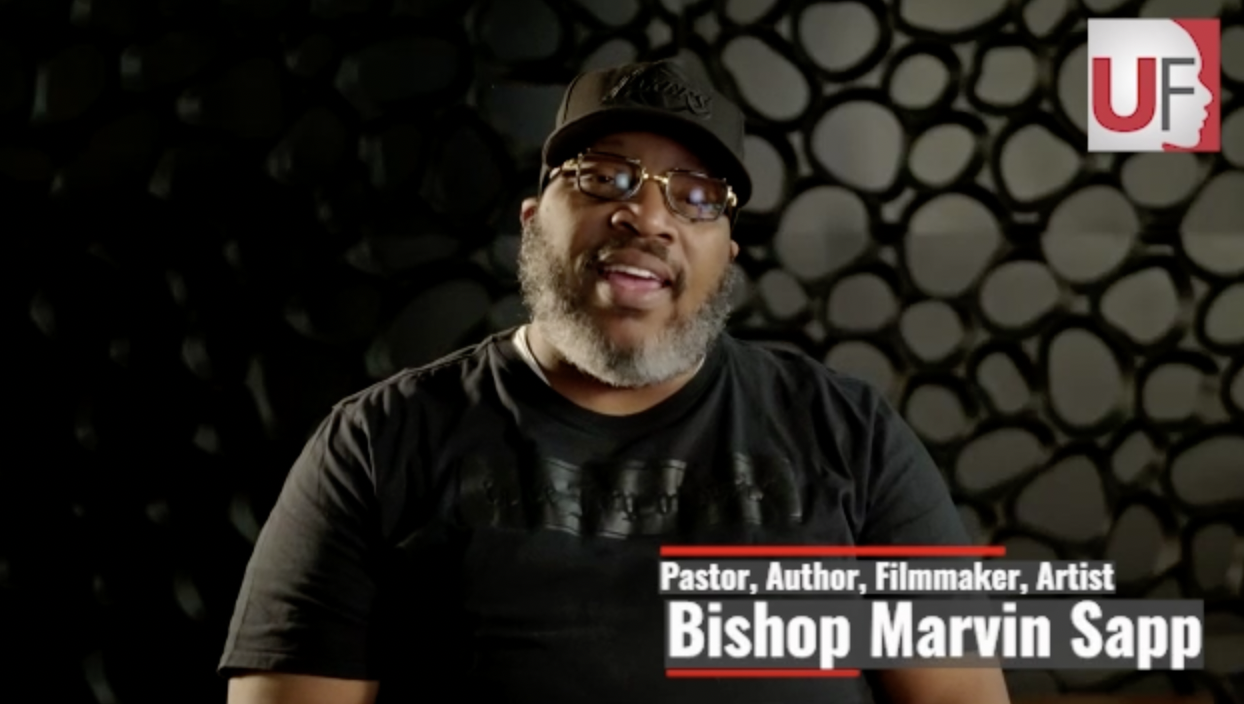
And at the center of it all stands Marvin Sapp—positioned, according to the prophecy, for a significant move that could influence both gospel music and ministry culture.
Whether this word marks the beginning of a visible shift remains to be seen.
But one thing is certain: the conversation has begun.


