The Vatican in Flames: Pope Leo XIV’s Radical Reformation and the Marian Crisis
A shockwave has erupted from the heart of Rome—spiritual, seismic, and far-reaching. Vatican City, a fortress of ritual and doctrine for nearly two millennia, now finds itself engulfed in theological and ideological fires no earthly water can quench.
For the second time in days, Pope Leo XIV has issued a declaration so radical it unsettles even the most seasoned Vatican observers. It began with a single document—Mulier Fidelis—a papal decree that shattered decades of Marian devotion.
Authored with Cardinal Victor Manuel Fernandez, the decree unequivocally states: Mary is not co-redemptrix. She holds no redemptive power; Christ alone saves.
This pronouncement sent shockwaves through a church long steeped in Marian veneration. Statues adorned in gold, millions of rosaries whispered daily, and shrines at Fatima, Lourdes, and Medjugorje—all suddenly cast into doctrinal doubt.

But the Vatican’s blow was twofold. Simultaneously, it declared a series of Marian warnings circulating for years were fabrications—human inventions, hysteria, or manipulation.
For countless Catholics who believed Mary continued to speak through visions and prophecies, this was a spiritual earthquake.
The decree struck at the roots of Catholic mysticism. Marian apparitions once revered were now under scrutiny. Devotional groups across Latin America, Eastern Europe, and the Philippines erupted in rebellion.
At the heart of the crisis lay a chilling truth: the Vatican did not deny these apparitions merely to correct theology, but to suppress warnings of corruption within the Church itself.
This sparked broader questions: If these messages were false, how many others were illusions? How many miracles fabricated?
Centuries of ambiguous Vatican responses—sometimes approving, sometimes condemning—had maintained fragile balance. Now, Pope Leo XIV’s decree forced Catholics to confront reality: tradition had overtaken scripture.
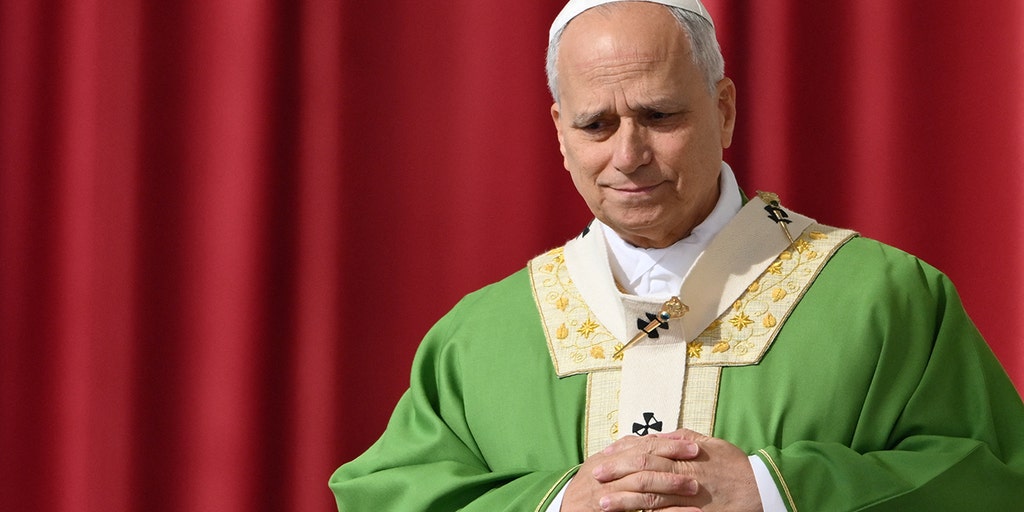
The Bible never portrays Mary as co-savior or mediator. Scripture is clear: Jesus Christ alone redeems, mediates, and saves.
But Catholicism had built a vast spiritual edifice around Mary, leading millions to believe she stood at redemption’s center.
Now, Pope Leo XIV was tearing it down.
The fallout was immense. Priests whose ministries centered on Marian miracles panicked. Religious orders scrambled to reinterpret their charisms. Entire movements dissolved under the weight of one papal sentence.
Behind the scenes, internal reports revealed widespread manipulation within Marian circles—fundraising, pilgrimages, political influence—all threatening the Church’s integrity.

The backlash was swift. Bishops in Latin America refused to enforce the decree. Traditionalists accused the Pope of capitulating to Protestant theology.
Yet Pope Leo XIV remained resolute.
Then came the second shock: the Vatican publicly acknowledged many Marian prophecies were false, including those predicting apostasy and divine chastisement.
For devoted Catholics, this denial felt like betrayal; for skeptics, vindication.
But the crisis was not just about Mary.
It was about revelation itself.
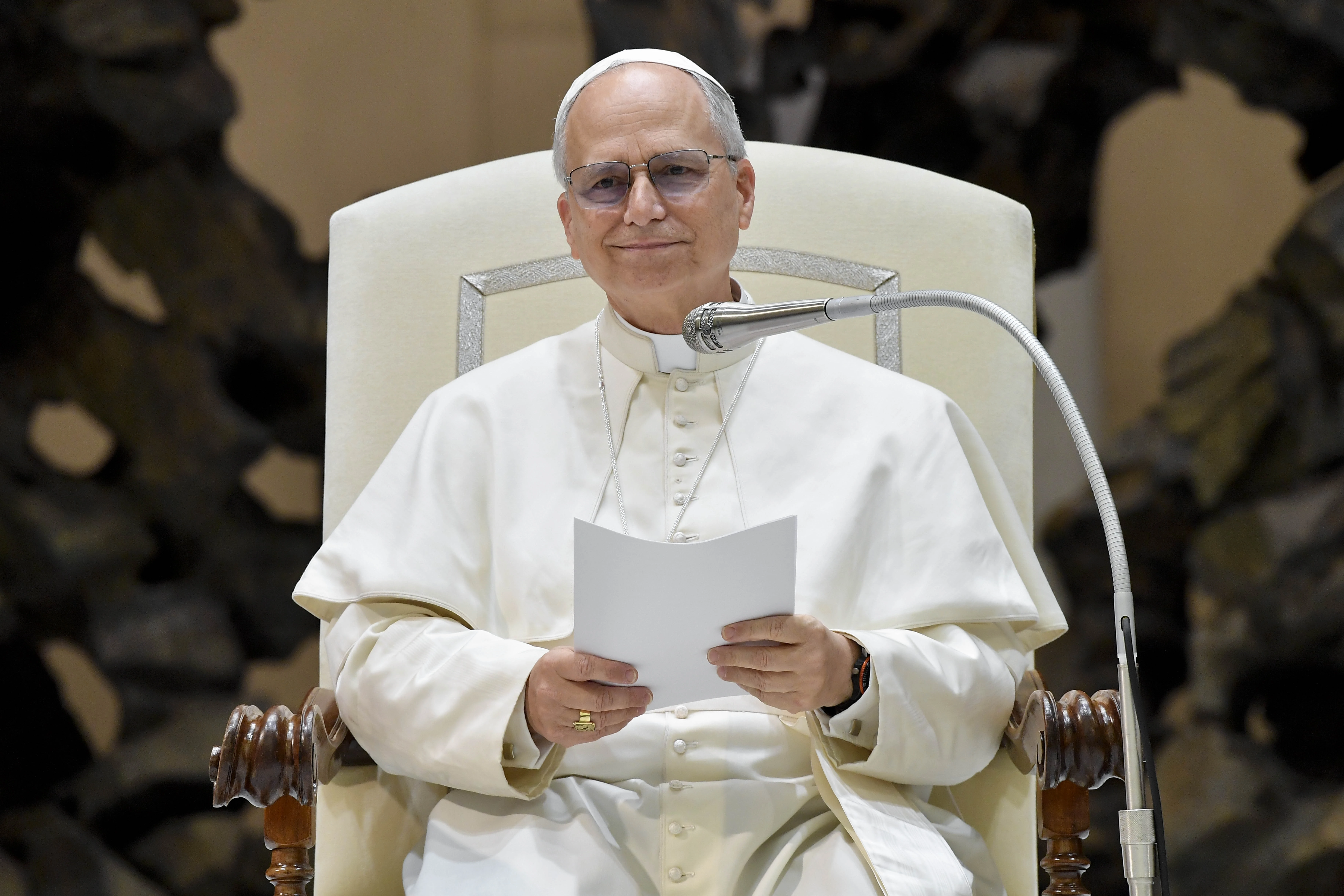
For decades, Catholic and evangelical movements embraced visions, dreams, and private messages claiming new teachings from Jesus.
Pope Leo XIV convened a secret commission to address this alarming phenomenon.
Their report was devastating: none of these private revelations could be authenticated; many contradicted scripture.
The Pope declared: Christ speaks only through scripture. No new revelation, no private prophecy, no new doctrine.
This declaration rocked the charismatic and mystical Christian worlds.
He warned: false visions of Jesus are ᴅᴇᴀᴅly, leading to deception and spiritual ruin.
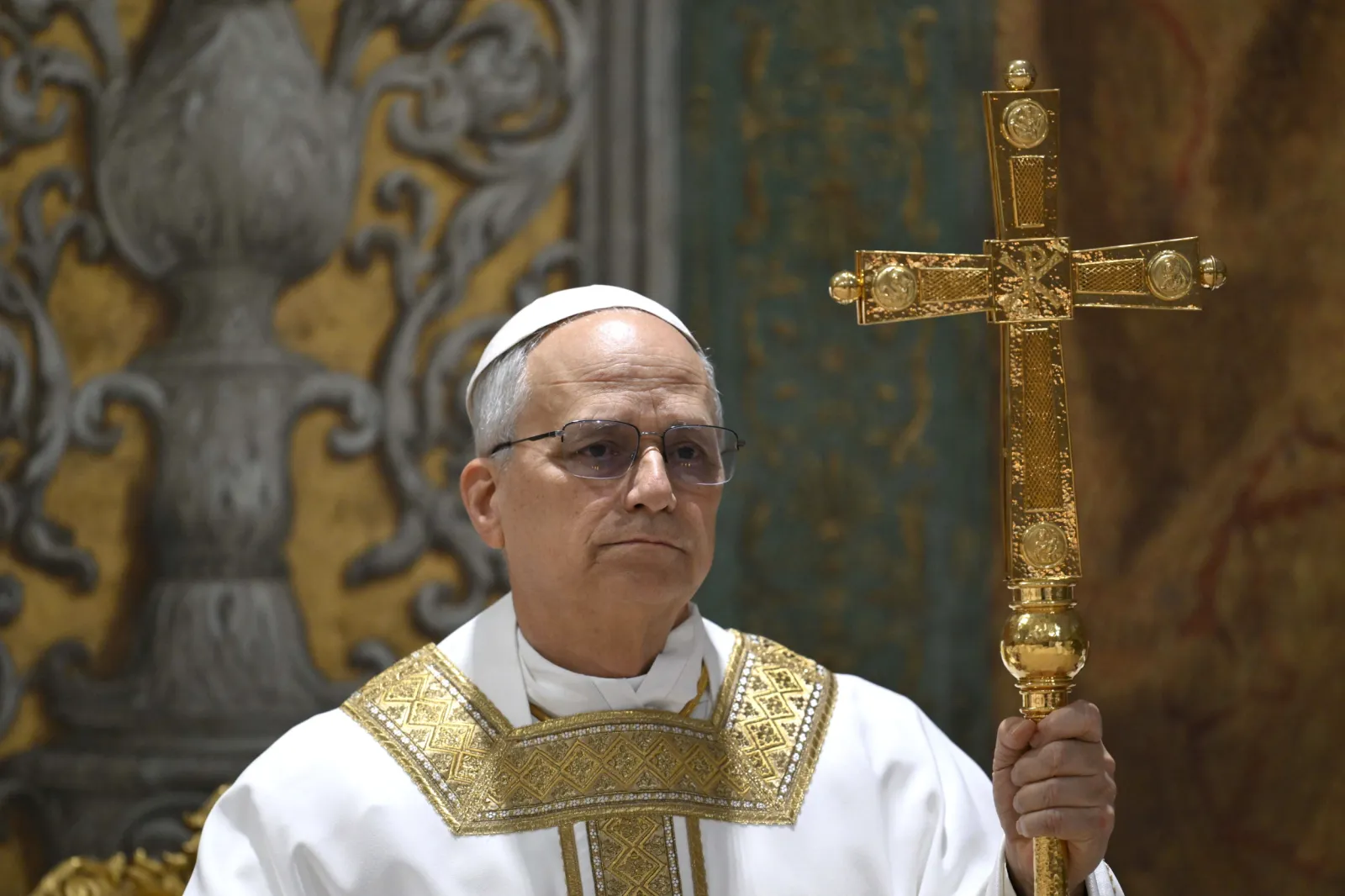
The Vatican’s decree—Verbo Christi—stated that any claim of new teaching from Christ must be rejected.
This challenged Catholic mysticism, Protestant charismaticism, and global prophetic movements alike.
Millions felt attacked; many denounced the Pope.
Yet scripture supports the decree: Hebrews 1:2 affirms God has spoken once through His Son; Jude 1:3 speaks of faith once delivered.
As the world erupted, a quiet revival began: believers repented of following visions over scripture, returning to biblical foundations.
While chaos swirled, Pope Leo XIV remained calm, convinced restoring Christ-centered faith was essential.
But the crisis was far from over.
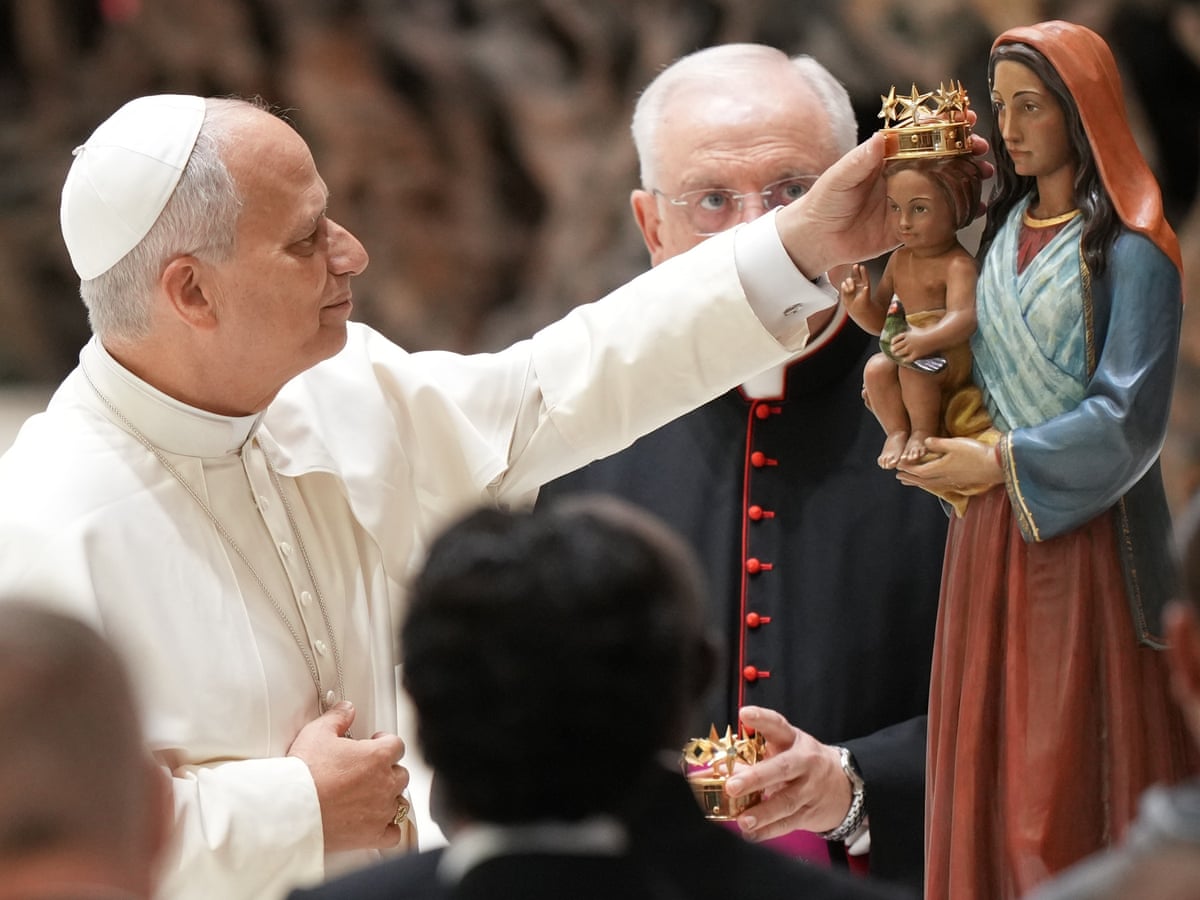
Leaked Vatican documents revealed a prophecy foretelling this moment: when false visions multiply, the Church will divide over Jesus’ name.
Mary’s warnings had been the spark; the real fire was the battle for Christ’s true voice.
The Pope’s reforms ignited factions within the Vatican—some plotting to contain or remove him.
Yet his resolve was unwavering: “I did not come to preserve illusions. I came to reveal truth.”
The Vatican meltdown exposed the dangers of elevating tradition above scripture and supersтιтion above truth.
For believers worldwide, the crisis offers a sobering lesson: spiritual renewal requires humility, discernment, and fidelity to God’s Word.


