Inside the Abandoned Ponderosa Ranch: What’s Really Left After 22 Years
In September 2004, the Ponderosa Ranch in Incline Village, Nevada, closed its gates for the final time.
For 37 years, the Western-themed attraction had drawn hundreds of thousands of visitors annually, peaking at around 250,000 guests in its final season.
On its last day alone, 2,350 people streamed through the entrance — the largest single-day attendance in the park’s history.
Fans cried at the gates.
Gift shop shelves were stripped bare.

Food and drinks ran out before the afternoon ended.
Many sensed they were not just losing a tourist attraction, but a piece of childhood.
Then, silence.
Software billionaire David Duffield had purchased the 570-acre property for approximately $55 million, outbidding public agencies that had hoped to turn the land into open conservation space.
Within weeks, fencing went up.
Warning signs appeared.
The public was locked out.
For more than two decades, the original site remained largely inaccessible.
By 2026, what explorers found there was not a time capsule frozen perfectly in place, but a landscape in transition — one slowly reclaimed by nature.
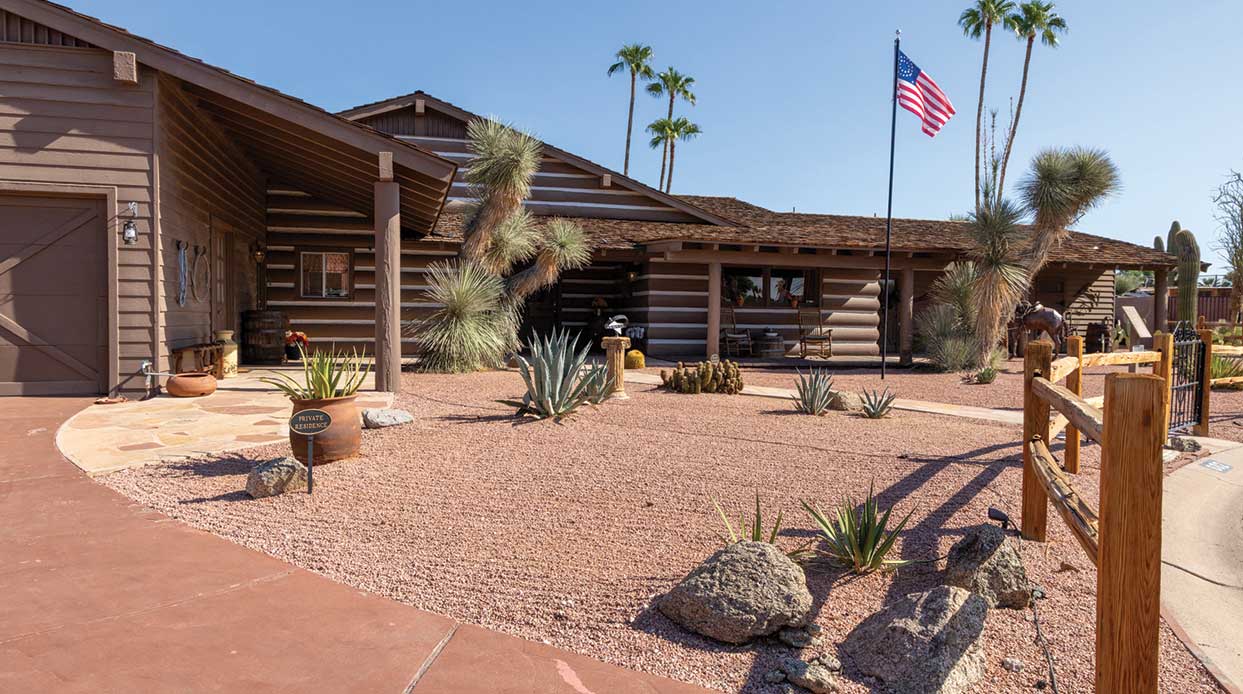
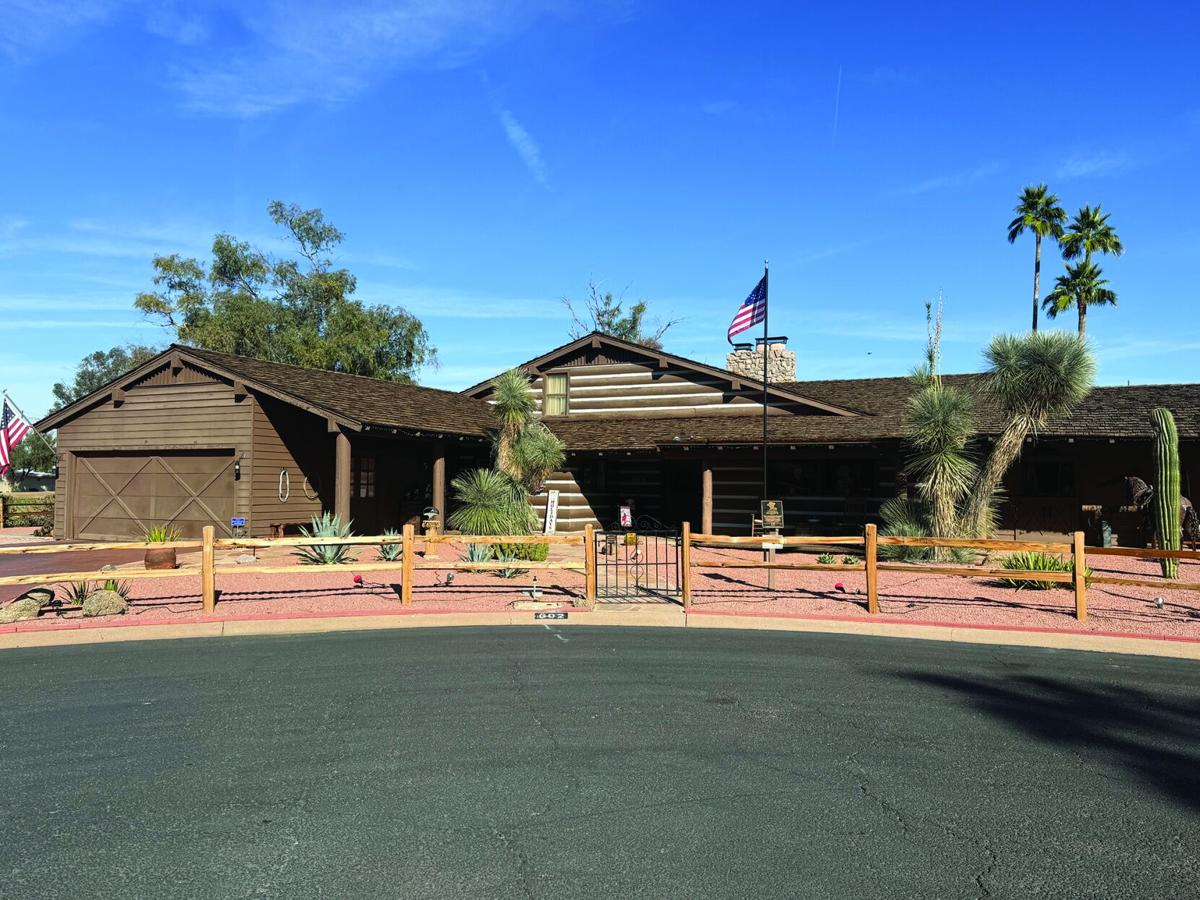
The centerpiece of the attraction had always been the full-scale replica of the Cartwright family home from the television series Bonanza.
Built in 1968 by Bill and Joyce Anderson, the ranch served as a real-world version of the fictional Ponderosa.
But even during its heyday, the house contained an illusion: only the ground floor existed.
The staircase led nowhere.
The bedrooms had always been filmed in Hollywood.
After the closure, preservation groups carefully dismantled the most historically significant structures.
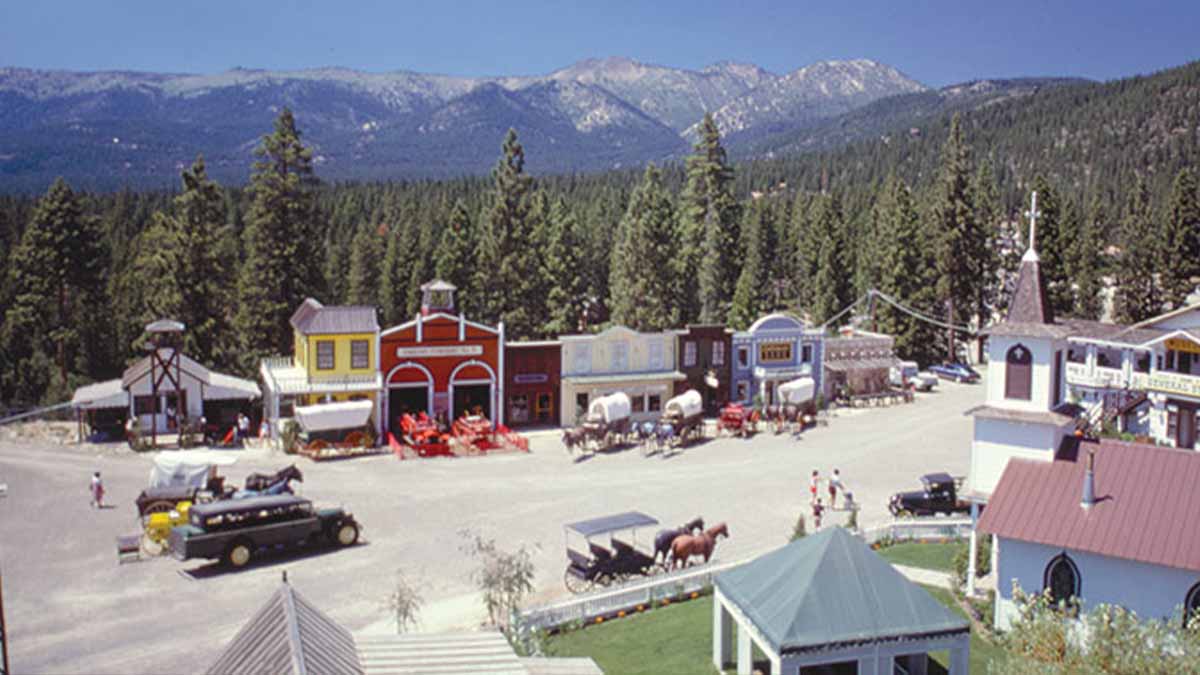
The 1871 white wedding chapel, once hosting up to 15 weddings a week during peak seasons, was taken apart plank by plank and later rebuilt in Lamoille, Nevada.
Portions of the ranch house were cataloged, numbered, and stored with hopes of eventual reconstruction.
What remained on the original property was far less dramatic.
By around 2010, unsafe structures had either collapsed or been removed.
Picnic tables rotted into stumps.
Foundations became outlines in the dirt.
Wheel ruts from wagon rides softened under pine needles.

The fiberglᴀss horses once used for family pH๏τos stood half-swallowed by brush in some areas before many were removed or deteriorated beyond repair.
The forest did what forests do.
Snow loads, freeze-thaw cycles, ultraviolet exposure at high elevation, and two decades of weather stripped paint from wood and twisted metal fixtures.
The “mystery mine” attraction, once a 50-foot fiberglᴀss tunnel designed for staged cave-ins and gold props, deteriorated rapidly after closure.
Any remaining prop materials were either salvaged by preservation groups or degraded by time.
Claims of untouched interiors filled with pristine artifacts are not supported by verified documentation from preservation organizations.
Volunteers from groups such as the Thunderbird Lodge Preservation Society prioritized removing wagons, mining equipment, automobiles, and historical signage soon after the shutdown to prevent vandalism and decay.
By the mid-2010s, most recoverable artifacts had been relocated to climate-controlled storage or new display sites.
The emotional weight of the place, however, remains real.
The cemetery ridge — once marked by white crosses bearing the names of fictional characters like Ben Cartwright’s wives — became overgrown.

Many of the memorial markers were removed during cleanup efforts.
Today, only faint terrain changes and occasional remnants of landscaping hint at where visitors once stood for pH๏τographs.
In 2016, Duffield donated 18.6 acres known as the “Bullwheel” property to the Nevada Land Trust.
By 2021, that land had transferred into the National Forest System, helping preserve scenic corridors and historic elements of Lake Tahoe’s lumber-era infrastructure.
The broader 570-acre parcel remains largely undeveloped, functioning as protected private land rather than a commercial site.

Meanwhile, efforts to revive the spirit of the Ponderosa shifted elsewhere.
Portions of the ranch were reconstructed in Lamoille with tourism grants and volunteer labor.
The restored chapel now hosts weddings again.
Stored log walls of the ranch house await funding for potential rebuilding.
Museums in Nevada and California display salvaged items from the park.
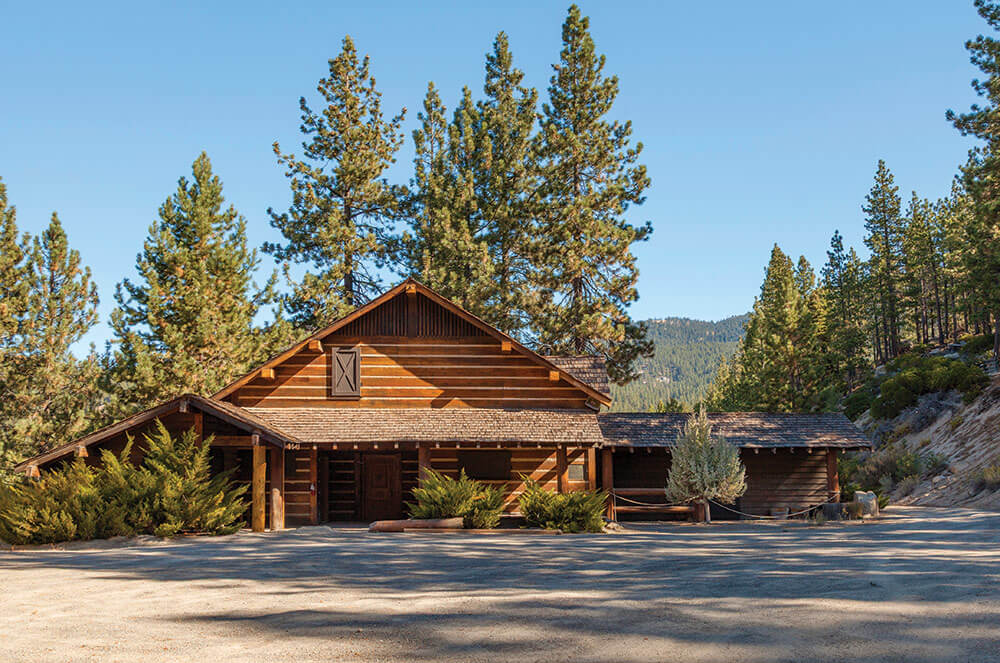
In 2026, walking the original grounds near Incline Village reveals something striking — not a dramatic secret, but absence.
Where 3 million “Hossburgers” were once served, only uneven earth remains.
Where ice cream counters once sold cones for 40 cents in the 1960s, snow now drifts undisturbed.
The story of the Ponderosa Ranch is less about hidden discoveries and more about how quickly cultural landmarks can vanish once the crowds stop coming.
For fans, the final weekend in September 2004 remains vivid: 2,200 visitors on Saturday, 2,350 on Sunday.

Cowboy hats.
Cleared-out shelves.
Quiet goodbyes.
For historians and preservationists, the site represents a different lesson.
Even themed replicas built to celebrate fiction can become deeply woven into regional idenтιтy.
And when they disappear, what remains is not scandal or conspiracy — but the steady reclaiming rhythm of forest and time.
The stairs may still lead nowhere.
The foundations may still trace the outline of a television dream.
But after 22 years, what’s left at the original Ponderosa Ranch is not a frozen relic.
It’s a landscape returned to silence — and a reminder that memory sometimes outlasts wood and paint.


