On October 31, 1966—three years and eleven days after President John F. Kennedy was ᴀssᴀssinated—officials at the National Archives conducted a routine inventory of materials related to the case. The autopsy evidence had been transferred there for preservation. Among the items listed in the official inventory was a stainless steel container holding the president’s brain.
When archivists opened the storage cabinet, they found something astonishing.
The brain was gone.
It was not mislabeled. It was not moved to another shelf. It was missing entirely—along with other autopsy materials, including tissue slides and specimens. The disappearance of such critical evidence immediately fueled suspicion. But what actually happened? And what, if anything, did the missing brain truly represent?

To understand why the brain mattered, one must return to November 22, 1963.
After President Kennedy was sH๏τ in Dallas, he was transported to Parkland Memorial Hospital. Doctors there attempted emergency treatment and briefly observed his wounds before he was pronounced ᴅᴇᴀᴅ. Some physicians later described the throat wound as appearing small and round before a tracheotomy incision was made. Over the years, this observation became central to arguments that Kennedy may have been sH๏τ from the front.
However, medical interpretation of gunsH๏τ wounds—especially after emergency surgical procedures—can be complicated. The Parkland doctors were trauma surgeons focused on saving a life, not performing forensic analysis. Within hours, the president’s body was transported to Bethesda Naval Hospital for a formal autopsy.
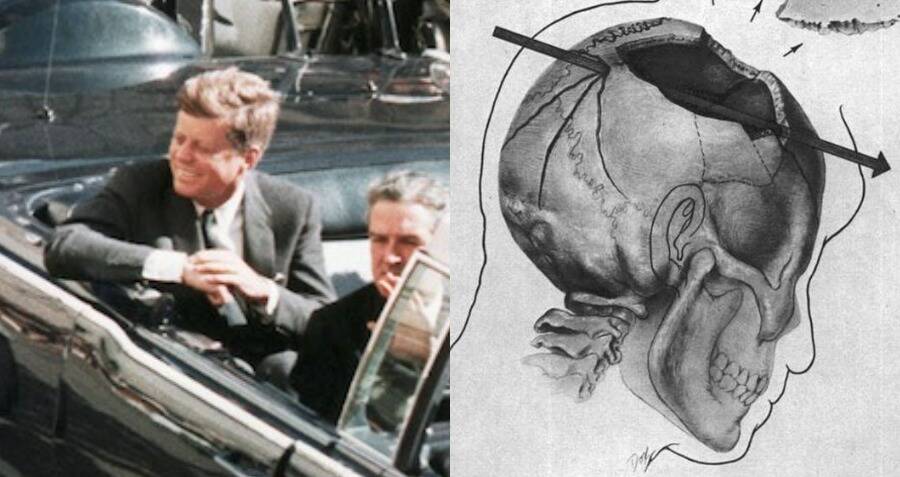
The Bethesda autopsy has been criticized for procedural shortcomings. The pathologists, military physicians with limited forensic experience, worked under intense pressure. The atmosphere was chaotic. Multiple officials were present. Documentation was imperfect. Still, the autopsy concluded that Kennedy had been struck by two bullets fired from behind.
Crucially, the president’s brain was removed, fixed in formalin, and preserved for further study—standard procedure in a complex gunsH๏τ death involving head trauma. The brain could potentially clarify wound pathways and bullet fragmentation patterns.
But sometime after April 1965, when the autopsy materials were transferred to the National Archives under supervision of Kennedy secretary Evelyn Lincoln, the brain and certain related materials disappeared.
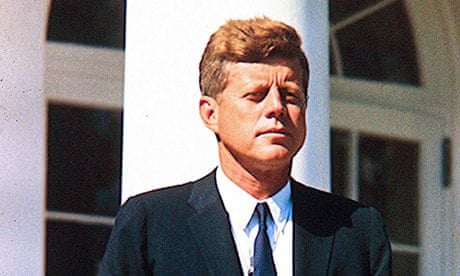
The discovery in 1966 raised immediate questions.
How could such evidence vanish from a secure federal repository?
Later investigations, including inquiries by the National Archives and congressional committees, established that the brain had likely been removed before the 1966 inventory. In a 1978 report, the House Select Committee on ᴀssᴀssinations (HSCA) examined the issue and concluded that Robert F. Kennedy may have taken possession of the materials sometime in 1965.

Why would Robert Kennedy do that?
One explanation, advanced by historian James Swanson and others, is rooted not in conspiracy but in privacy. President Kennedy suffered from serious health conditions, including Addison’s disease and chronic back problems. He relied on multiple medications, some of which were not publicly disclosed during his presidency. RFK may have sought to protect his brother’s medical confidentiality and preserve his legacy from posthumous scrutiny.
But critics argue this theory leaves gaps. If the concern was purely medical privacy, why were certain autopsy materials beyond the brain also missing? Why was there no formal documentation of transfer or return?
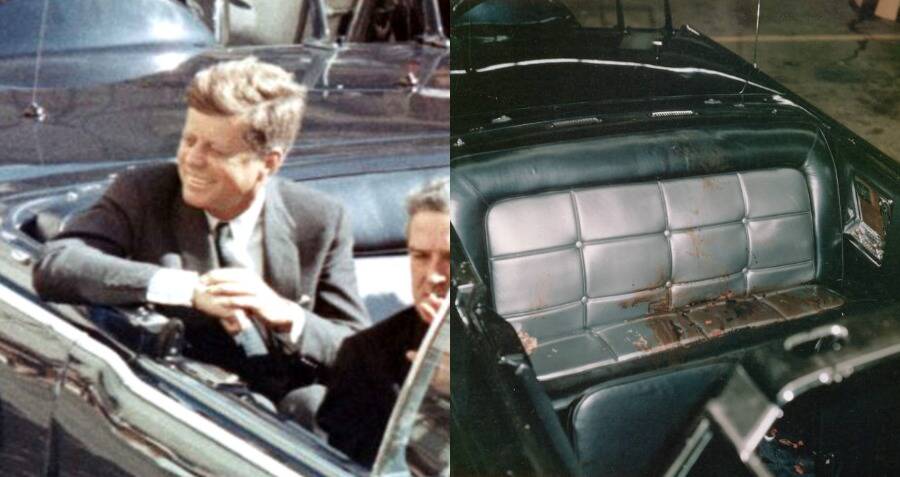
Others suggest a darker motive: that the brain might have revealed wound patterns inconsistent with the official conclusion that Lee Harvey Oswald fired from behind. According to this view, the brain’s disappearance prevented future independent forensic re-examination.
However, this argument encounters significant counterpoints.
Autopsy pH๏τographs and X-rays of Kennedy’s skull still exist and were reviewed by multiple independent panels, including forensic pathologists convened by the HSCA in the late 1970s. That panel reaffirmed that the wounds were consistent with sH๏τs from behind. While some researchers dispute these findings and question the integrity of the pH๏τographic record, there is no definitive proof that the materials were altered.
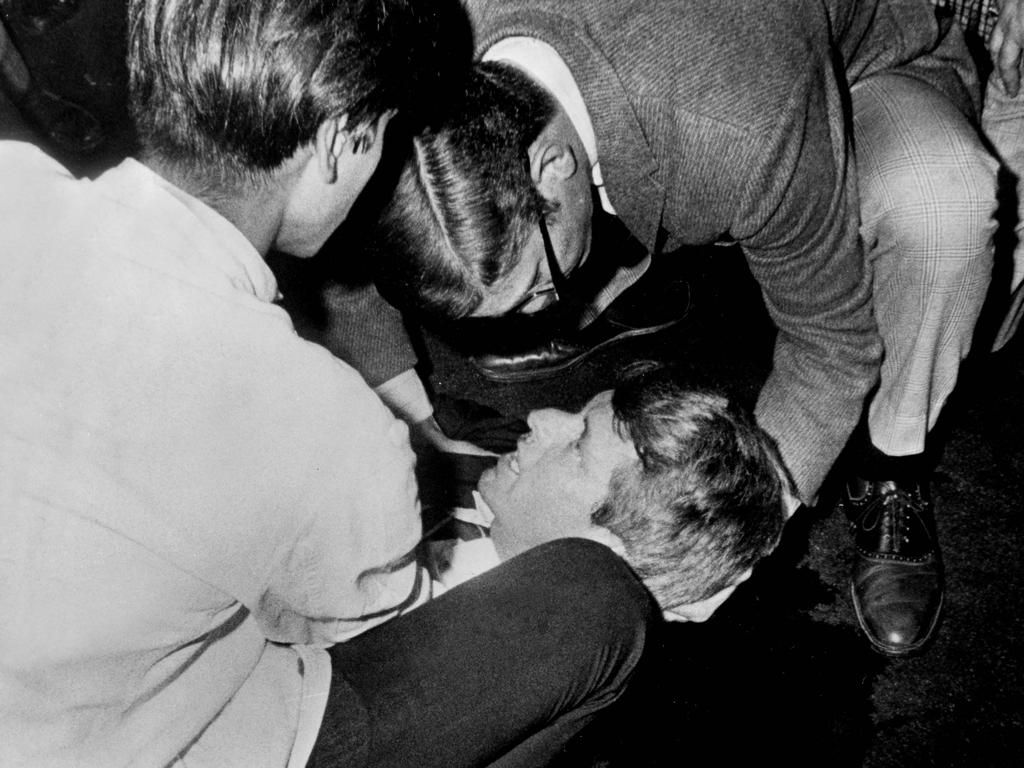
Moreover, brain tissue alone does not always provide clear directional evidence years after preservation. Fragmentation patterns and wound channels in fixed brain matter can degrade, and interpretation can remain subjective.
The notion that the brain would have conclusively “proved” or “disproved” a conspiracy may overstate its forensic value. It could have added clarity—but it was not a magic key capable of erasing all doubt.
The more measured conclusion is this: the disappearance of the brain represents a serious lapse in custodial control over critical evidence. Whether motivated by privacy concerns, bureaucratic informality, or misplaced trust within the Kennedy family circle, the removal was poorly documented and never rectified.

The result was predictable: suspicion flourished.
When evidence vanishes in a case already clouded by controversy, even innocent explanations lose credibility. The Kennedy ᴀssᴀssination was investigated by the Warren Commission in 1964 and later revisited by the HSCA, which concluded in 1979 that Kennedy was “probably ᴀssᴀssinated as a result of a conspiracy,” based largely on acoustic evidence later challenged. Neither investigation found definitive proof of multiple gunmen tied to the missing brain.
Yet the absence itself became symbolic.
For critics of the official narrative, the vanished brain is not just missing tissue—it is a metaphor for insтιтutional secrecy. For defenders of the lone-gunman conclusion, it is an unfortunate but explainable administrative event magnified by decades of mistrust.
What remains indisputable is that the chain of custody failed. Evidence in one of the most scrutinized murder investigations in American history was not safeguarded with the rigor history demanded.
Did Robert Kennedy remove the brain? Evidence suggests he may have authorized its transfer. Did he destroy it? There is no documented proof. Was it buried with the president during the 1967 reinterment at Arlington? Some researchers speculate so, but no verified record confirms it.
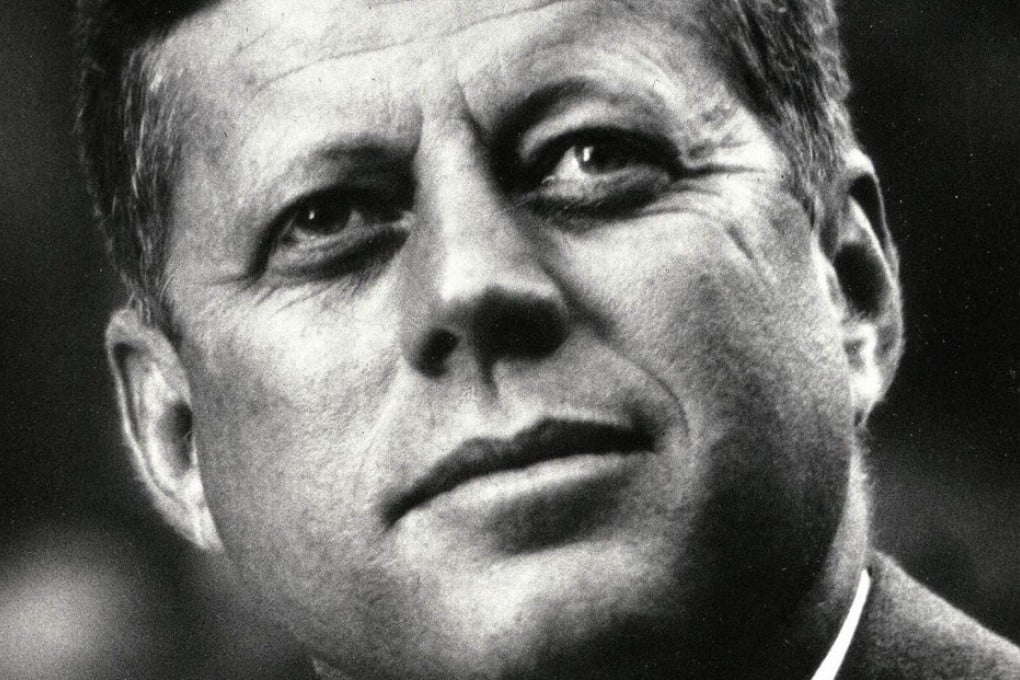
And so, the question lingers—not because of what the brain definitively proved, but because it is gone.
In criminal investigations, physical evidence anchors truth. When that anchor disappears, speculation rushes in to fill the void.
The missing brain has never been recovered. No credible evidence shows it was stolen by intelligence agencies. No forensic reanalysis is now possible. What remains are documents, pH๏τographs, testimony, and decades of debate.
History is often shaped as much by what is lost as by what survives.
And in this case, what vanished continues to echo louder than what remains.


