It has become an unsettlingly familiar scene in Minnesota, whether in Minneapolis or St. Paul, but this weekend something changed. What began as another anti-ICE demonstration outside a federal building quickly spiraled into chaos, forcing law enforcement to respond in ways that signal a sharp shift in how these confrontations are being handled. By the end of the weekend, dozens had been arrested, several were sitting in jail cells instead of walking free, and for the first time in months, local police stepped fully into a conflict that had previously been left largely to federal agents.
The protests erupted outside the federal office building as demonstrators gathered to denounce Immigration and Customs Enforcement operations. These demonstrations have become routine, often loud and confrontational but typically ending with temporary detentions and little lasting consequence. This time was different. As tensions rose, the crowd grew more aggressive. Federal agents found themselves pelted with ice chunks and bottles, turning what had been a protest into a violent confrontation.

By the time order was restored, 42 people had been arrested. Unlike previous weekends, these were not simple detain-and-release encounters. At least seven individuals were formally jailed and charged with serious offenses, including rioting and ᴀssault. The escalation marked a clear break from the pattern that protesters and authorities alike had come to expect.
What stood out even more was who took the lead on the streets. Local police were no longer standing on the sidelines. Officers from Minneapolis and surrounding jurisdictions actively moved in, dismantling makeshift roadblocks that protesters had erected throughout nearby neighborhoods. These temporary barricades, constructed to slow or prevent ICE vehicles from moving freely, had become a common tactic. In past weeks, their presence had often gone unchallenged for hours.

This weekend, officers tore them down almost as quickly as they appeared. The interactions were tense and deeply personal. In one exchange captured on video, a protester shouted at an officer, accusing him of “helping Nazis.” The response was calm, almost defiant in its simplicity. The officer replied that there was “no place I would rather be,” underscoring a growing resolve among local law enforcement to ᴀssert control over streets they say have been slipping into disorder.
For the first time, federal agents and local police appeared to be operating in visible coordination, working hand in hand rather than in parallel. That cooperation may prove to be the most significant development of all. For months, critics have argued that inconsistent enforcement and unclear authority only emboldened protesters willing to push boundaries. This weekend suggested that tolerance had reached its limit.

The neighborhoods surrounding the federal building bore the brunt of the disruption. Residents watched as streets were blocked, traffic rerouted, and confrontations unfolded just steps from their homes. Some expressed frustration that protests aimed at federal policy were repeatedly spilling into local communities, turning residential areas into battlegrounds. Others worried that the heavier police presence signaled a new era of crackdowns that could inflame tensions further.
From the perspective of law enforcement, the decision to intervene more forcefully was driven by safety. Bottles and ice thrown at officers are not symbolic gestures; they can seriously injure. Authorities say the line between protest and riot was clearly crossed, and the charges filed reflect that ᴀssessment. Rioting and ᴀssault carry consequences far beyond a weekend citation, and the message appears intentional.
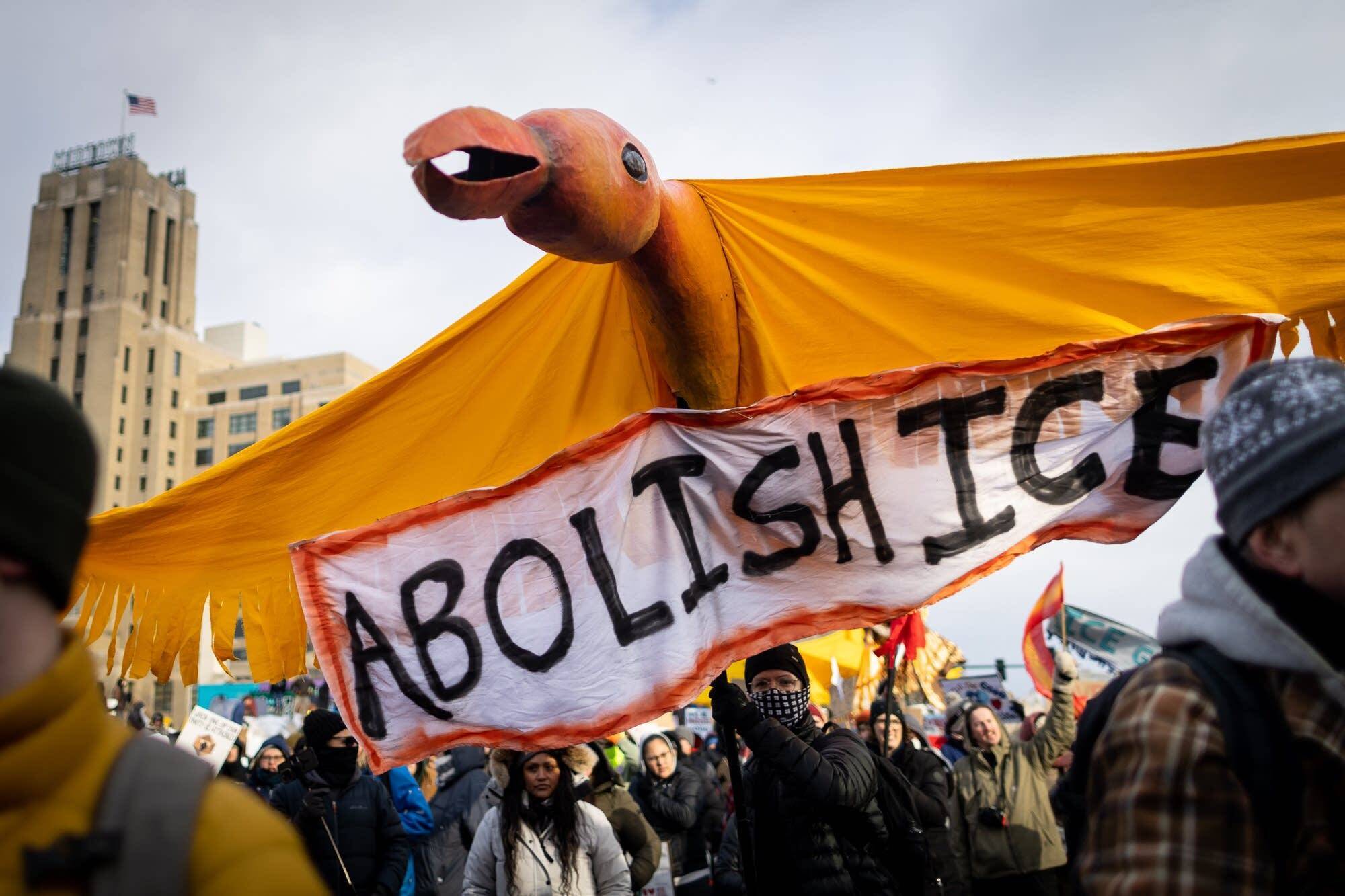
The arrests also raise questions about what comes next. Will this approach deter future demonstrations from turning violent, or will it harden atтιтudes on both sides? Protest organizers have already signaled that they view the arrests as proof of systemic oppression rather than a response to unlawful behavior. Law enforcement officials, meanwhile, insist that peaceful protest remains protected, but violence will not be tolerated.
What unfolded over the weekend may also influence how future demonstrations are policed statewide. The visible cooperation between federal and local authorities suggests that a unified strategy is taking shape. For months, critics accused local leaders of leaving federal agents isolated, effectively making them lightning rods for public anger. This weekend’s events suggest that calculus has changed.
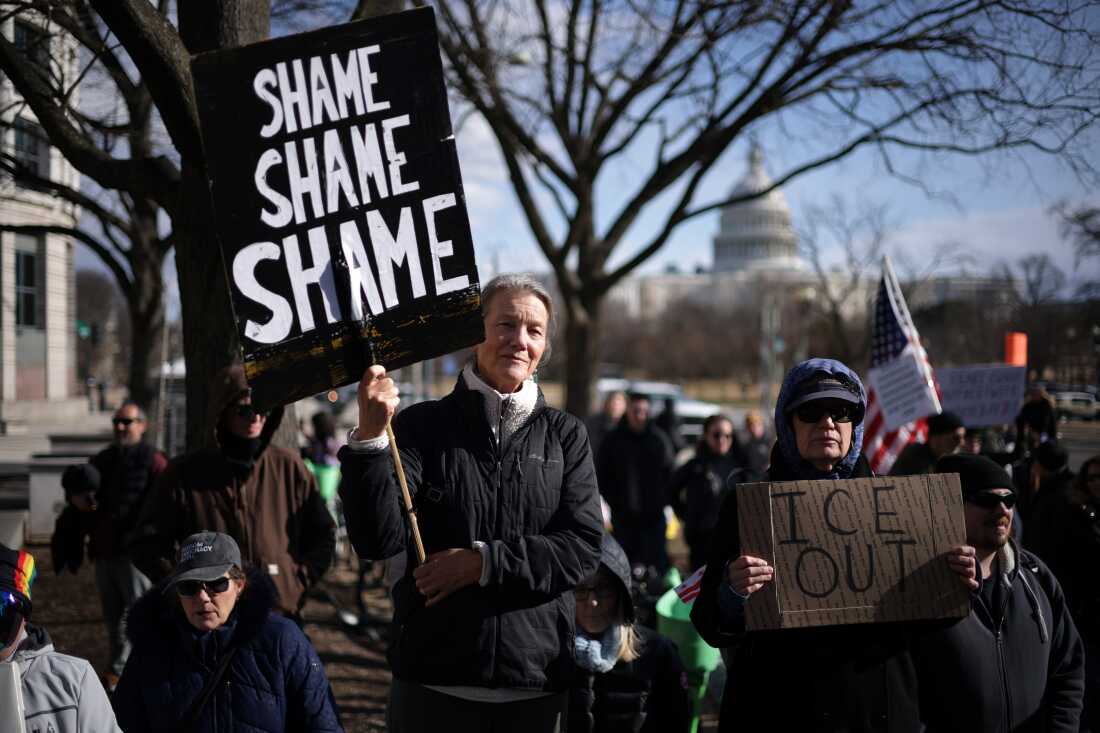
There is also a legal ripple effect. Those facing charges will move through the court system, and their cases will be closely watched. Prosecutors now have an opportunity to test whether tougher charges can curb repeat incidents. Defense attorneys are likely to argue that emotions ran high and that police responses escalated the situation. Judges will ultimately decide where accountability lies.
Beyond the courtroom, the images from the weekend carry symbolic weight. Protesters shouting accusations, officers dismantling barricades, federal agents under attack—these scenes reinforce how deeply polarized the issue of immigration enforcement has become. Minnesota, often seen as politically engaged but orderly, is now grappling with a cycle of confrontation that feels increasingly normalized.
For residents who simply want to go about their lives, the hope is that clarity and consistency will bring calm. Some believe that decisive action now may prevent larger confrontations later. Others fear that escalation invites escalation, and that the next protest could be even more volatile.
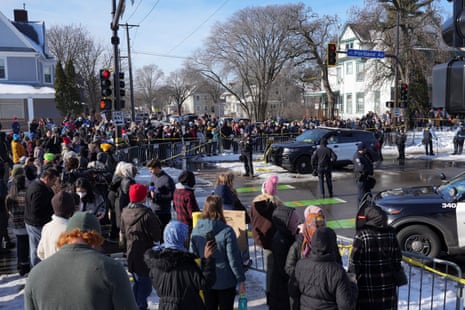
As the new week begins, law enforcement remains on alert. Officers are back on the same streets, watching the same intersections, prepared for the possibility that crowds will return. Whether the cooperation seen this weekend becomes the new standard remains to be seen, but one thing is clear: the era of routine protests ending without consequence may be over.
What happened outside that federal building was more than another weekend disturbance. It was a signal that the balance between protest and public order in Minnesota is being renegotiated in real time. The outcome of that negotiation will shape not only future demonstrations, but the relationship between citizens, local police, and federal authority in the months ahead.


